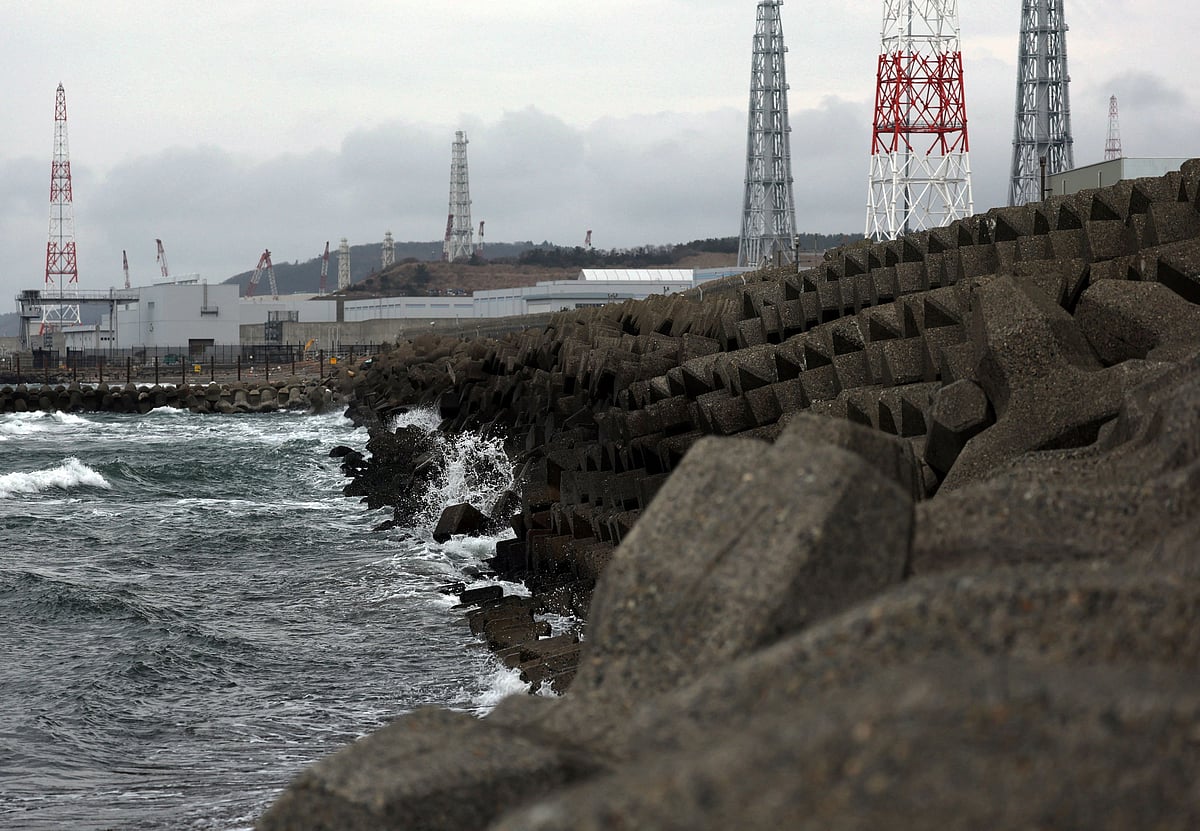
Tokyo: Japan has removed the final obstacle to restarting the Kashiwazaki-Kariwa nuclear power plant, the world’s largest, after the Niigata prefectural assembly approved the move on Monday, marking a major shift in Japan’s energy policy 15 years after the Fukushima disaster.
The Kashiwazaki-Kariwa facility, situated approximately 220 kilometers northwest of Tokyo, was closed as part of a countrywide decision to halt operations at 54 reactors. This action followed the catastrophic earthquake and tsunami that hit the Fukushima Daiichi plant, leading to a nuclear disaster considered the worst globally since Chernobyl.
The approval paves the way for Tokyo Electric Power Company, the operator of the damaged Fukushima plant, to restart the first of seven reactors on 20th January, with a capacity of 1.36 gigawatts, as part of plans to reduce reliance on imported fossil fuels.
The plant has a total capacity of 8.2 gigawatts, enough to supply electricity to millions of homes, with plans to bring an additional unit online by 2030. This would add to the 14 reactors that Japan has already restarted out of 33 reactors deemed operable.
Sign up for the Daily Briefing
Get the latest news and updates straight to your inbox
Network Links
GN StoreDownload our app
© Al Nisr Publishing LLC 2026. All rights reserved.