Hormuz attacks rise as Iran steps up pressure on shipping, UKMTO warns
Iran-linked attacks intensify, raising security concerns in Hormuz Strait
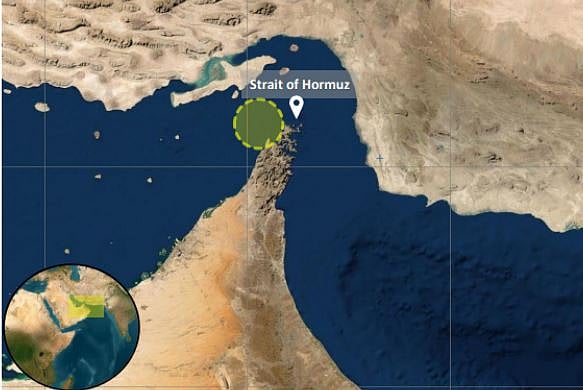
Iran-linked attacks, attempted attacks and surveillance of commercial vessels intensified around the Strait of Hormuz over the latest reporting period, while maritime traffic through the strategic waterway remained significantly below pre-conflict levels, according to the latest maritime security assessment.
The Joint Maritime Information Centre (JMIC), in its Update 111 Advisory Note dated November 5, 2026, distributed by the United Kingdom Maritime Trade Operations (UKMTO), reported four attacks in the Strait of Hormuz over 96 hours, compared with three in the preceding reporting period.
Get it: Fast, verified news for FREE ... download the Gulf News app — simply click here
All four incidents occurred within approximately 52 hours, between November 1 and November 3, off Oman's Musandam coast.
The assessment said Islamic Revolutionary Guard Corps (IRGC) activity continued to include attacks, attempted attacks and harassment of merchant shipping through unmanned aerial vehicle (UAV) overflights, targeted surveillance and occasional radio hailing on very high frequency (VHF) channels.
These activities demonstrate Iran's continuing intent to assert its presence along critical maritime transit routes and maintain pressure on commercial vessels, the JMIC said.
The Arabian Gulf also recorded two attacks during the reporting period, bringing the number of reported attacks in the area to eight since October 7.
One incident, UKMTO 196-26, occurred in the central Gulf, north of Qatar.
Despite the incidents, commercial traffic continued moving through the Arabian Gulf, although congestion at anchorage areas remained high.
Hormuz traffic remains far below normal
The JMIC said commercial vessel movements through the Strait of Hormuz remained "substantially reduced" compared with the 2025 baseline.
Independent tracking data showed only single-digit to low-double-digit transits daily, underscoring the continuing reluctance of shipping operators to use the waterway amid security threats.
US Naval Cooperation and Guidance for Shipping (NCAGS) data, meanwhile, recorded approximately 31 US-assisted transits per day during the reporting period, slightly below the average of 34 daily transits recorded from October 24 to 30.
The figures highlight an important distinction: US-assisted movements continued at relatively high levels, but overall commercial shipping activity remained depressed.
The Gulf of Oman recorded no confirmed attacks or disruptions. However, naval activity remained elevated because of enforcement of the US blockade.
The latest official US Central Command (CENTCOM) figures, dated November 1, showed that 144 commercial vessels had been redirected, four disabled during blockade enforcement and two boarded for compliance checks.
No additional blockade enforcement action was announced during the latest 96-hour period.
The JMIC advised vessels to respond promptly to military queries and keep their Automatic Identification System (AIS) switched on unless security threats made this unsafe.
What this means for global shipping
The latest assessment paints a mixed picture: maritime traffic continues across the region, but the Strait of Hormuz remains the principal security flashpoint.
The combination of attacks, surveillance, military enforcement and depressed vessel movements continues to complicate shipping operations, insurance decisions and energy transportation.
For oil-importing economies, prolonged disruption around Hormuz carries risks of higher freight costs, insurance premiums and energy-price volatility.
Network Links
GN StoreDownload our app
© Al Nisr Publishing LLC 2026. All rights reserved.