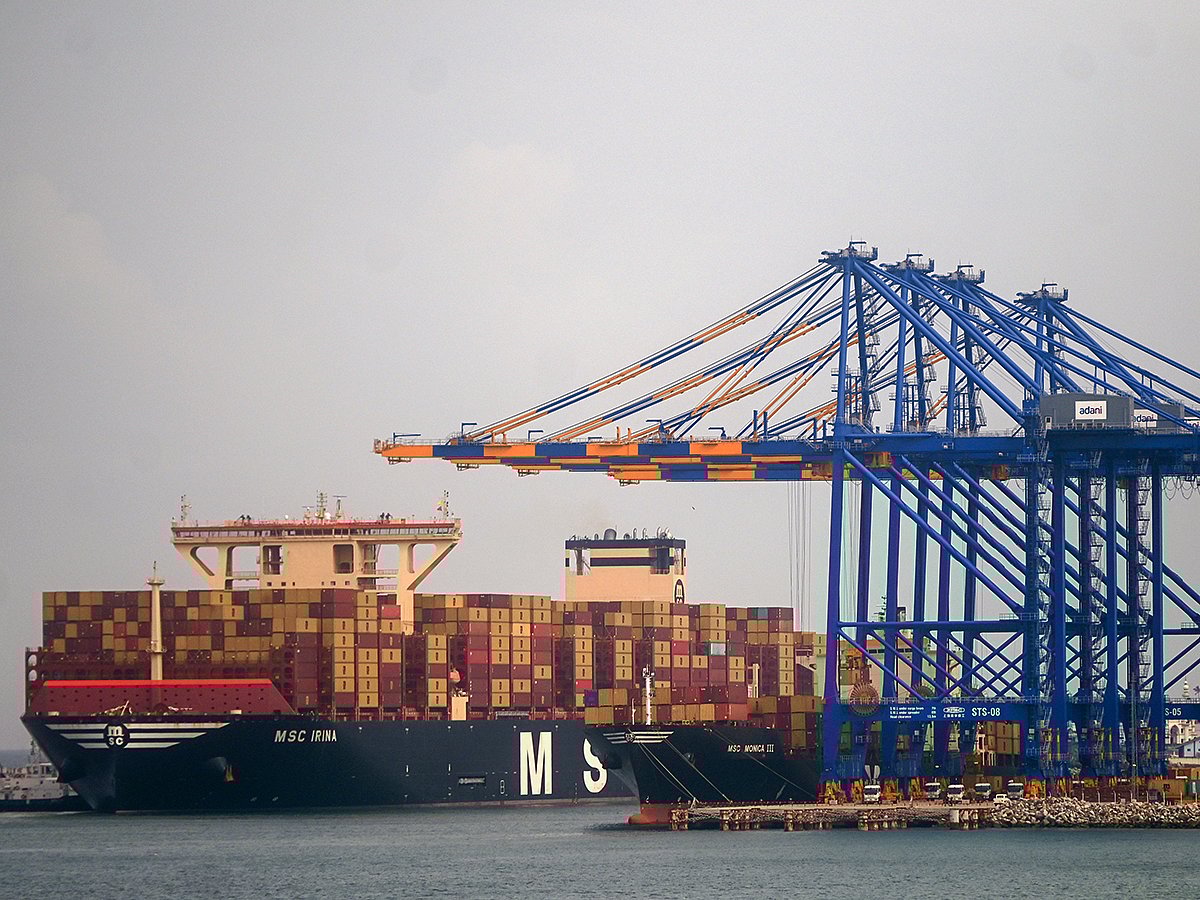
Dubai: A rare year-end spike in global shipping rates is creating new challenges for the energy exporters worldwide, even across the Gulf, with freight costs for crude, LNG and bulk commodities climbing to levels not typically seen at this time of year. Tanker earnings on key crude routes have surged by 467%, while LNG shipping rates have climbed more than fourfold. Even iron ore and grain shipping costs have doubled.
These increases reflect a global supply chain under pressure from conflict-related disruptions, sanctions and changes in commodity flows. Instead of the usual seasonal slowdown, vessels are spending longer on extended routes, tying up capacity and pushing transport costs sharply higher. Industry executives expect the tightness to continue into early 2026.
For the GCC, these conditions directly influence the cost and competitiveness of its most important exports. Arabian Gulf crude and Qatar’s LNG now face significantly higher costs to reach buyers in Asia and Europe, affecting pricing, margins and delivery schedules.
Red Sea, Hormuz risks rise
Two critical chokepoints — the Red Sea/Bab al-Mandeb and the Strait of Hormuz — have become significantly more expensive and risky to transit. Renewed Houthi attacks on vessels in the Red Sea have pushed war-risk insurance premiums from about 0.3–0.4% to close to 1% of a ship’s value. For a $100 million tanker, that translates into nearly $1 million in added insurance per voyage.
To avoid the threat, many vessels have rerouted around the Cape of Good Hope, adding 10–14 days to journeys and sharply increasing fuel and staffing costs. Longer routes also mean fewer vessels are available to carry GCC cargoes, tightening supply.
Meanwhile, war-risk premiums in the Strait of Hormuz jumped to around 0.5% after the seizure of a Marshall Islands-flagged tanker in November 2025. With most GCC crude moving through this channel, this new cost has become unavoidable.
Crude tanker rates jump
Crude tanker earnings have climbed dramatically as Middle Eastern flows intensify and global trade is redirected by sanctions. Daily VLCC earnings are up 467%, driven by higher Middle Eastern output and increased Asian demand following US sanctions on two major Russian oil companies.
Longer journeys around Africa have increased “ton-mile” demand — a key measure that multiplies cargo volume by distance travelled — tightening vessel availability further.
Frontline Management CEO Lars Barstad described the market as “old school, extremely tight,” to Bloomberg this week, adding that his company sees no signs of weakness in tanker demand.
LNG shipping tightens
LNG shipping costs have risen more than fourfold, influenced by vessel shortages, route diversions and new export projects. Additional LNG output from North America has tied up more vessels, reducing global availability just as congestion and weather disruptions hit key routes.
US-to-Europe LNG shipping rates recently climbed to their highest in two years. For Qatar and other GCC exporters, this means higher transport expenses and less flexibility to move cargoes between Asia and Europe.
Bulk carrier rates also surged to a 20-month high in late November, supported by expectations that a major iron ore project in Guinea will come online, and by weather delays off China’s coast.
Impact on GCC pricing
For Gulf crude shipments, higher insurance and longer journeys widen the gap between delivered prices and producer revenues. Analysts estimate that the additional freight burden adds $0.50–1.00 per barrel on typical voyages to Asia. Over time, this influences the competitiveness of GCC grades against other suppliers.
In LNG markets, high shipping costs reduce the ability to arbitrage between Europe and Asia. When transport becomes expensive, Asian spot prices must stay significantly higher than European levels to justify diversions. This effectively places a higher price floor under Asian LNG markets, where much of the GCC’s output is sold.
Some Indian refiners have reportedly resorted to chartering two smaller vessels instead of one VLCC to secure timely deliveries — a sign of how vessel shortages disrupt long-established trade flows.
Owners stay cautious
Despite strong earnings, shipowners are hesitant to invest in new vessels. The cost of new tankers is high, and a resolution to Red Sea tensions could cause freight rates to fall sharply.
Drewry Maritime Services director Jayendu Krishna said shipowners are profitable but cautious, noting they are “not in a great party-like mood” given the uncertain outlook.
For the GCC, the coming months will likely bring continued volatility. With geopolitical risks persisting and vessel capacity stretched thin, moving crude and LNG to market will remain more expensive — and less predictable — than usual.

Sign up for the Daily Briefing
Get the latest news and updates straight to your inbox
Network Links
GN StoreDownload our app
© Al Nisr Publishing LLC 2026. All rights reserved.