Experts warn oil could climb to $150 within weeks as Hormuz disruption drags on
Experts say Hormuz disruption, US-Iran tensions and supply gaps could drive oil higher
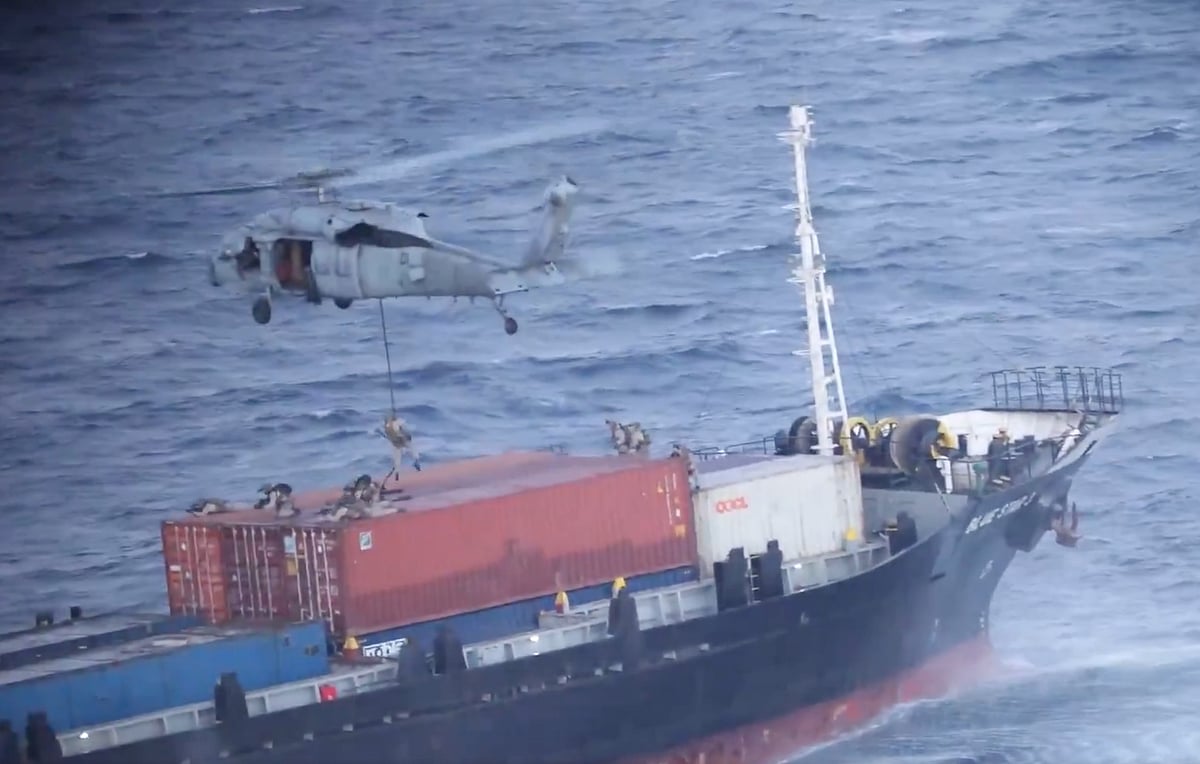
Dubai: Oil could move toward $150 within weeks if the Strait of Hormuz remains restricted and US-Iran tensions deepen, with some analysts warning that a prolonged supply shock may even bring the $200 level into view.
Brent crude has already moved above $120 a barrel, with prices briefly topping $126 on Thursday as the market reacted to stalled US-Iran talks, the continued disruption of shipments through the Strait of Hormuz and the risk of fresh military escalation in the region. Reuters reported that Brent touched $126.41 before easing, while the conflict has kept one of the world’s most important energy corridors under severe pressure.
Get updated faster and for FREE: Download the Gulf News app now - simply click here.
The question now facing consumers, airlines, importers and policymakers is how far prices can rise before demand begins to crack.
$150 could come within weeks
Vijay Valecha, Chief Investment Officer at Century Financial, said a move to $150 or $200 is not guaranteed, but the risk has risen because the next major trigger depends on developments between Washington and Tehran.
“Although a surge to $150 or $200 levels is not a given, it remains a possibility and would depend heavily on updates from both the US and Iran,” he said. “A major breakdown of diplomatic efforts or military escalations, with the Strait of Hormuz remaining closed, could be the next catalyst for another oil spike.”
Valecha said recent price action shows how quickly the market can reprice when supply fears build. WTI jumped from about $67.32 to $119.56 in just eight days during the first phase of US-Iran tensions in March, before correcting and then returning close to the $119 mark within about 28 days.
“Brent Crude already above $120 and following similar absolute moves up or down over about the same number of days, a $30 move to $150 could be possible within a matter of 2 weeks,” he said.
His more extreme scenario places $200 within six to eight weeks if markets start pricing in a prolonged supply deficit and inventory drawdowns continue to cover demand.
Hormuz remains the main trigger
According to Dat Tong, Senior Financial Markets Strategist at Exness, the path to $150 depends on how long the disruption in the Strait of Hormuz continues and whether traders lose confidence in a near-term resolution.
“Oil prices could continue to climb toward the $150 level if the disruptions in the Strait of Hormuz persist for an extended period and hopes of a resolution decline, pushing market participants to hedge against the scarcity in supply,” he said.
Physical supply remains the immediate pressure point. The Strait of Hormuz normally carries a major share of global seaborne oil, and the current restrictions have forced traders to price in tighter supply, longer shipping routes and higher insurance costs. AP reported that Brent rose above $126 on April 30 amid concerns over the Iran war and stalled negotiations, while the July contract also remained elevated.
Valecha said the current surge reflects several pressures hitting the market at once, including a physical supply shock, a structural breakdown and a logistical bind.
“The market is up against a physical bottleneck, a geopolitical risk premium, OPEC recent updates, and a tanker market in deficit, which remains bullish until Hormuz is reopened and OPEC+ discipline is reintroduced,” he said.
$200 needs a deeper shock
The $200 level would require a more severe escalation, according to Dat Tong, especially if energy infrastructure suffers lasting damage or tensions flare up beyond the current blockade and shipping disruption.
“The $200 level could be a more likely target if tensions flare up or energy infrastructure sees permanent damage,” he said.
Ole Hansen, Head of Commodity Strategy at Saxo Bank, noted that the near-term direction remains tilted higher while there is no clear route toward reopening the strait.
“Oil will rise several dollars every day as long as there is no end in sight, as markets are tightening and prices need to reflect that,” he said.
Hansen added that Brent’s wartime high reflected the closure of the strait and reports that Donald Trump is considering fresh military options in Iran, which has raised the risk of renewed escalation in the Middle East.
What can stop the rally
Analysts agree that the clearest route to lower prices is a reopening of the Strait of Hormuz, followed by credible diplomatic progress and additional supply support.
Dat Tong said strategic oil inventory releases by major holders could ease pressure in the near term, while higher production from oil-exporting countries could help over the medium term.
Also Read
Oil above $114 raises fresh fuel and airfare worriesHow high will oil prices go if Iran-US ceasefire is not reached?Oil prices hinge on US-Iran deal this week with ceasefire window closingHansen said the market could reverse quickly if supply routes reopen.
“The only thing that can send prices lower is a full reopening of the strait and an end to military actions and blockades, hence the current market action can best be described as taking the stairs but potentially the elevator down, meaning if we do get news about a reopening, Brent could slump straight back towards or below $100.”
Until that happens, consumers remain exposed to higher fuel costs, pricier air travel and wider inflation pressure, with the next move in oil now tied closely to the next headline from the Gulf.

Sign up for the Daily Briefing
Get the latest news and updates straight to your inbox
Network Links
GN StoreDownload our app
© Al Nisr Publishing LLC 2026. All rights reserved.