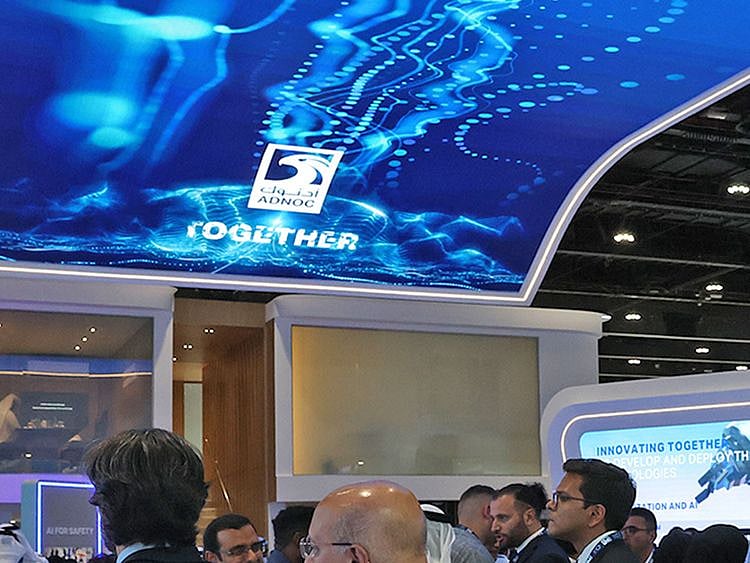
Dubai: Abu Dhabi National Oil Company’s plan to deploy tens of billions of dollars into the US natural gas sector marks a wider shift in Gulf energy strategy, with ADNOC’s overseas investment arm XRG moving to build a gas platform that can serve both global LNG demand and the fast-rising power needs of artificial intelligence.
The strategy, reported by the Financial Times and cited by Reuters, would place XRG deeper into one of the most important energy markets at a time when gas is being recast as both a transition fuel and a growth fuel. The company is reviewing 29 potential transactions as it looks to build a vertically integrated global gas business, according to Nameer Siddiqui, XRG’s newly appointed chief investment officer.
Get updated faster and for FREE: Download the Gulf News app now - simply click here.
Siddiqui told the Financial Times that the company is looking across the full gas chain, from “getting gas out of the ground, owning the pipes and the processing plants and all the way to liquefaction facilities to put gas on water and potentially even owning the re-gas facilities and pipelines to end users in destination countries.”
Gas becomes a strategic growth lane
Global energy markets are already being pulled in different directions by the Iran war, strained shipping routes and higher demand for secure fuel supplies. At the same time, the rapid build-out of data centres in the US is increasing the need for reliable electricity, giving gas producers and LNG investors a stronger long-term demand case.
XRG is not only targeting LNG cargoes or export capacity, but the infrastructure that allows gas to move from production fields to final users. That can help manage cost, supply security and exposure to price cycles, while giving ADNOC a larger role in the global gas trade.
Siddiqui said the company’s strategy is to diversify XRG’s commodity exposure by operating across the gas value chain, according to the FT report. The potential investments could include controlled transactions, drilling joint ventures and minority stakes, allowing the company to scale its position without relying on a single acquisition route.
Asked about XRG’s ability to fund such a push during a period of geopolitical stress, Siddiqui said the commitment remains firm. “This is unwavering, although obviously we will only do that under the right return expectations. The US is a market where we want to be bold,” he said.
US LNG is already in focus
The US plan builds on XRG’s recent move to deepen its exposure to the Rio Grande LNG project in Texas. In January, the company announced it would acquire an additional 7.6% stake in Trains 4 and 5 of the project, after previously taking an 11.7% stake in the first three trains. XRG said each of the two additional trains is expected to have LNG production capacity of about 6 million tonnes per annum.
That deal gave XRG a stronger position in one of the world’s largest LNG export facilities, located at the Port of Brownsville, and showed how the company is using US infrastructure as a platform for its wider gas strategy. The stake in Trains 4 and 5 is being acquired from an acquisition vehicle of Global Infrastructure Partners, which is part of BlackRock, with financial terms not disclosed.
The Rio Grande investment also fits with ADNOC’s broader push to turn XRG into a global energy investment vehicle. ADNOC launched XRG in late 2024 with an enterprise value exceeding $80 billion, giving it a mandate to invest across natural gas, chemicals and lower-carbon energy solutions. The company has said XRG will focus on three major forces shaping energy demand, including the energy transition, the growth of AI and the rise of emerging economies.
- With inputs from Financial Times and Reuters.

Sign up for the Daily Briefing
Get the latest news and updates straight to your inbox
Network Links
GN StoreDownload our app
© Al Nisr Publishing LLC 2026. All rights reserved.