Dubai: Billionaire Ray Dalio reveals how he predicted 2008 financial crisis
Founder of world’s largest hedge fund on importance of learning from history
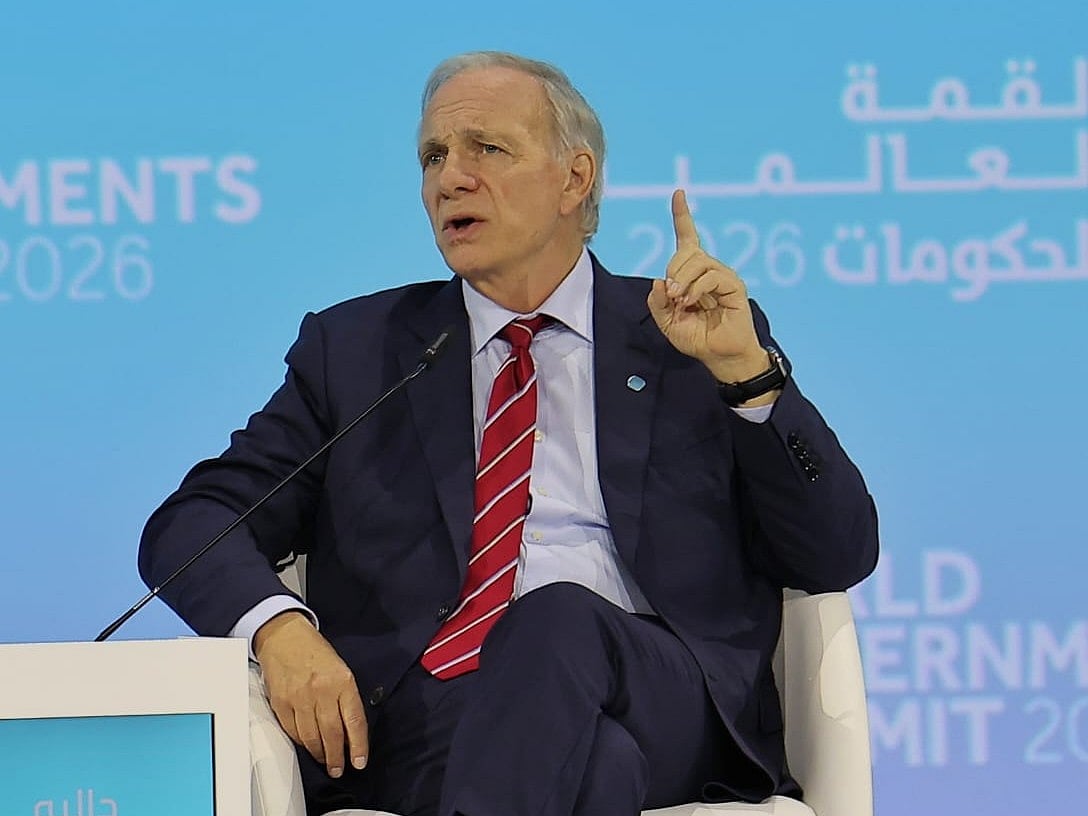
Ray Dalio, billionaire founder of Bridgewater Associates – the world’s largest hedge fund, revealed the secret behind his ability to anticipate major financial crises, including the 2008 global meltdown.
“One of the things I learned back in 1971 was that things that surprised me quite often were things that never happened in my lifetime but happened many times before,” he said while speaking at the World Government Summit on ‘Decisions That Shape Future Governments.’
Lessons from history
Dalio recounted an early lesson from 1971, when he was a young clerk on the floor of the New York Stock Exchange and then-US President Richard Nixon ended the dollar’s convertibility into gold. Expecting a market crash, Dalio was surprised to see stocks rise instead. Studying history, he realised a similar move had been made by President Roosevelt in 1933. Understanding these historical patterns, he noted, allowed him and Bridgewater to anticipate the 2008 financial crisis, the European debt crisis, and other major events.
5 forces shaping economies
Dalio explained that his predictions stem from studying the last 500 years of financial and political history, focusing on what he calls the “great cycles” driven by five big forces. The first is money, credit, and debt cycles, which operate similarly for countries and individuals, though nations can print money. Rising debt relative to income creates pressures that ripple through economies.
The second is internal political cycles, where wealth gaps and conflicting values spark populism and domestic instability. The third is geopolitical cycles, tracing the rise and breakdown of global orders, such as the post-1945 multilateral system dominated by the US. Dalio also highlighted the role of acts of nature, including pandemics and natural disasters, which historically have caused more disruption than wars. Finally, technology drives both progress and conflict, raising living standards while also being used in warfare.
“Many people are surprised at what’s going on. This is more like watching a movie happen over and over again. History does rhyme,” Dalio underlined, noting ongoing changes in monetary, political and geopolitical orders, alongside technological shifts that will shape the next era.
Sign up for the Daily Briefing
Get the latest news and updates straight to your inbox
Network Links
GN StoreDownload our app
© Al Nisr Publishing LLC 2026. All rights reserved.