UAE airport seat capacity rises 23% to 7.2 million ahead of winter travel season
Dubai airport led the expansion, with seat capacity up 24.3 per cent to 4.6 million seats
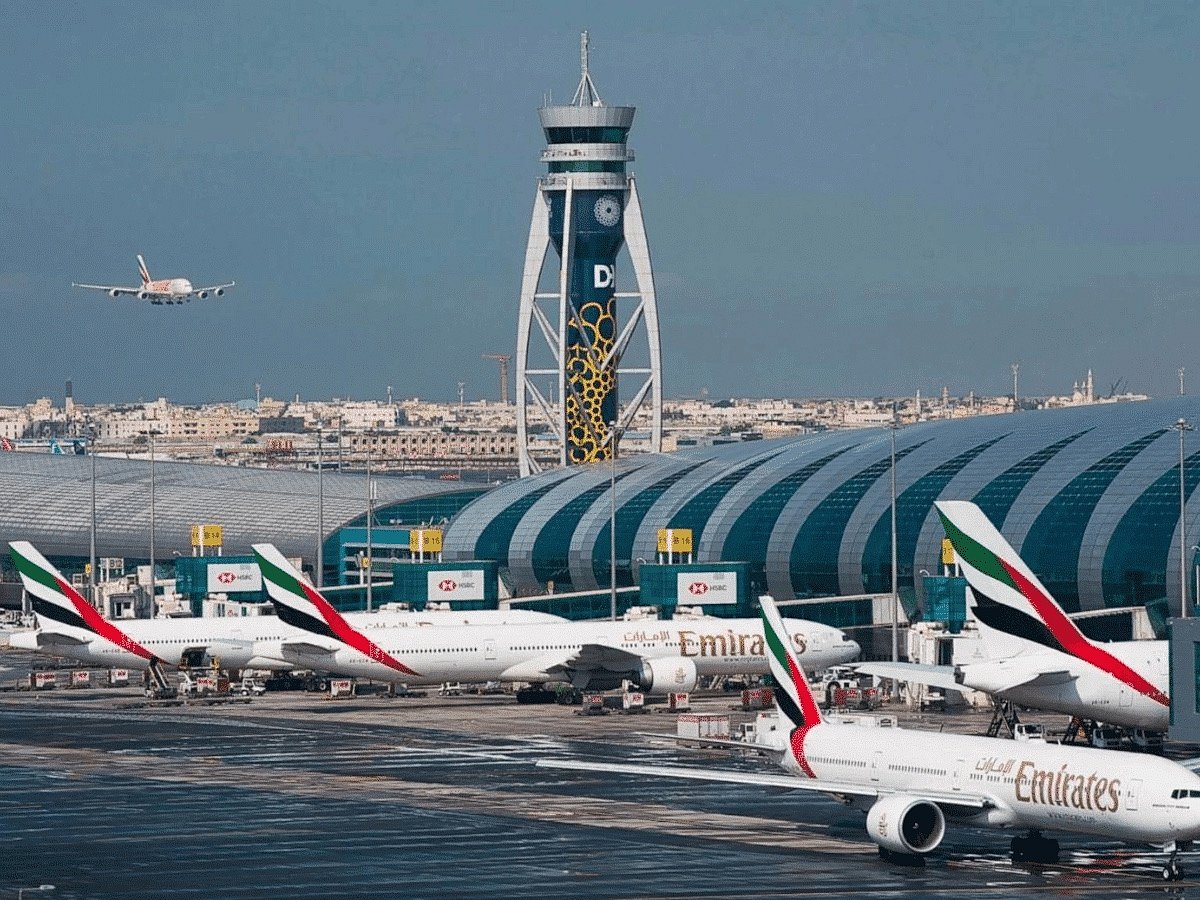
Dubai: Scheduled seat capacity on departing flights from UAE airports rose 23 per cent between June and October 2026, reaching 7.2 million seats as national airlines expanded operations ahead of the winter travel season.
The increase represented an additional 1.4 million departing seats compared with June, when capacity stood at 5.8 million, according to figures from international aviation data provider OAG, as reported by Al Khaleej newspaper.
Get updated faster and for FREE: Download the Gulf News app now - simply click here.
Across the five-month period, UAE airports recorded approximately 34 million scheduled departing seats, equivalent to about 68 million seats when flights in both directions are included.
The expansion was led by Dubai airport, while Zayed International Airport in Abu Dhabi and Sharjah airport also recorded increases in scheduled capacity.
Dubai airport leads capacity growth
Dubai airport recorded the largest increase, with scheduled departing capacity rising 24.3 per cent from 3.68 million seats in June to 4.6 million in October.
Capacity climbed to 4.35 million seats in July and 4.5 million in August before easing to 4.34 million in September. It subsequently recovered to 4.6 million in October, the highest figure during the period.
At Zayed International Airport, scheduled departing capacity reached 1.7 million seats in October, compared with 1.6 million in September and 1.68 million in August.
The airport had recorded 1.6 million seats in both June and July, bringing its overall growth between June and October to approximately 6.3 per cent.
Sharjah airport also registered an increase, with capacity reaching 840,000 seats in October, compared with 820,000 in September.
The airport recorded 880,000 seats in August, 830,000 in July and approximately 770,000 in June, with the report putting growth over the period at nearly 12 per cent.
UAE airlines expand scheduled capacity
National airlines also increased their scheduled departing capacity, recording a combined 31 million seats between June and October.
Their monthly capacity rose 20.5 per cent from 5.4 million seats in June to 6.5 million in October.
The combined figure reached 6.35 million seats in July and 6.52 million in August before declining to 6.16 million in September and rising again in October.
Emirates led Middle Eastern airlines in scheduled departing capacity throughout the five-month period.
The airline scheduled 3.1 million seats in October, compared with 2.9 million in September, 3 million in both July and August, and 2.6 million in June.
This represented an increase of 18.5 per cent between June and October.
Etihad Airways recorded 1.43 million scheduled departing seats in October, up from 1.35 million in September and 1.4 million in both July and August.
Its capacity stood at 1.23 million seats in June, representing growth of 16.3 per cent over the period.
Flydubai recorded 1.1 million seats in October, compared with 1 million in September, 1.2 million in August and 1.1 million in July.
The airline's capacity had stood at 855,000 seats in June, with the report showing an increase of 27.5 per cent by October.
Air Arabia also expanded its scheduled capacity, reaching 860,000 seats in October, compared with 830,000 in September, 920,000 in August and 850,000 in July.
Its capacity rose from 700,000 seats in June, an increase of 23 per cent over the five months.
Winter travel expected to support further demand
The growth in scheduled departing seats points to a recovery in air traffic and an expansion of national airlines' operations as airports and carriers prepare for the winter travel season, when demand for flights to and from the UAE typically increases.
Tourism activity towards the end of the year, including winter holidays and New Year's celebrations, is expected to support travel demand and further growth in seat capacity.
Network Links
GN StoreDownload our app
© Al Nisr Publishing LLC 2026. All rights reserved.