Travelling from the UAE to Europe? Expect longer waits at border control
Strikes and the new EU biometric system are creating border chaos for Gulf tourists
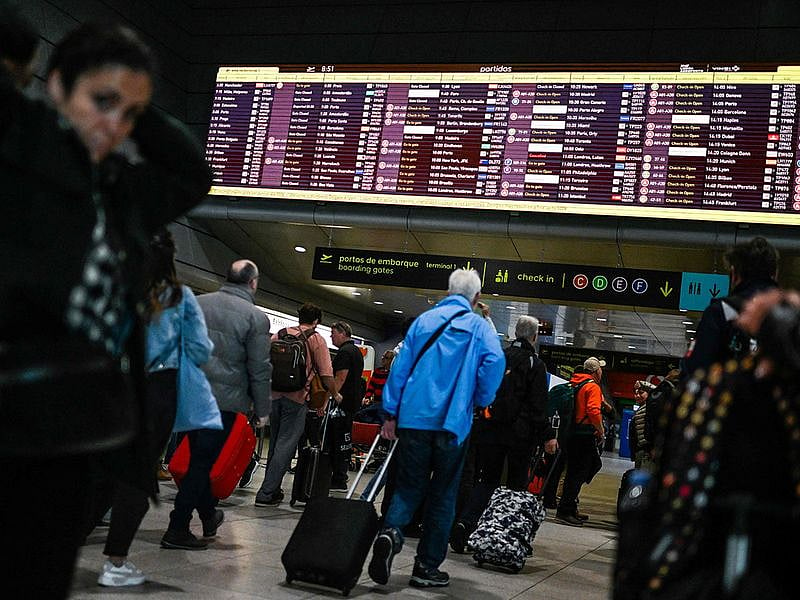
Dubai: UAE travellers heading to Europe should gear up for a long wait of at least five to six hours at European airports, as the rollout of the EU’s new electronic Entry/Exit System (EES) plunges major hubs into operational disruptions.
Combined with labour strikes in some European states and baggage-handling delays, the new biometric border-control process is causing long queues at airports.
TP Sudheesh, General Manager of Deira Travels, said, “Most of the European airports like Amsterdam, Lisbon, Milan, etc., are currently experiencing 5-6 hours delays mainly due to the full-scale rollout of the EU’s electronic Entry/Exit System (EES) and due to the sudden nationwide labour strikes".
He added that the new rules are "creating lot of issues to the passengers from Gulf" and that some of the passengers missed their connecting flights.
What is the EES?
The EES is a newly enforced biometric border control process. It requires mandatory biometric registration—specifically, fingerprints and facial scans—for all non-EU passport holders entering the Schengen area, ensuring the bloc's database records passenger biometric data.
This means citizens and residents of the GCC must now undergo these extra physical checks before clearing immigration.
What is the EU saying?
The severe bottlenecks result from the tension between the EU’s push for standardised biometric border security and the physical reality of processing millions of travellers during peak periods.
While some countries, such as Greece, attempted to bypass the system to keep tourists moving, the European Commission has firmly pushed back.
Brussels insists that the EES regulations have not changed and member states are expected to comply to ensure the system functions properly. The Commission clarified that the only "built-in flexibilities" allow border posts to suspend biometric collection for up to six hours when queues become excessive, but long-term or blanket exemptions for specific nationalities are strictly prohibited.
Defending the delays seen at hubs like Lisbon, Portugal’s Secretary of State for Infrastructures, Hugo Espírito Santo, pointed out that this is a continent-wide issue: "We have to recognise that this is not a Portuguese problem, it's a European problem right now".
What is the solution for UAE travellers?
In the long term, industry leaders suggest that greater investment in technology, such as the Travel to Europe app, will be required to speed up processing times.
In the immediate term, survival comes down to extra buffer time and cautious planning. Sapna Aidasani, Co-Founder and Marketing Director of Pluto Travels, noted that while Eid travel has been manageable, business and crew movements have faced strict challenges, with VIP groups almost missing flights.
For those travelling to Europe soon, Aidasani advises three simple rules: “Keep buffer time, avoid very short layovers, and reach the airport earlier than usual". She advised all passengers to "be cautious and reach 3-4 [hours] prior to departure".

Sign up for the Daily Briefing
Get the latest news and updates straight to your inbox
Network Links
GN StoreDownload our app
© Al Nisr Publishing LLC 2026. All rights reserved.