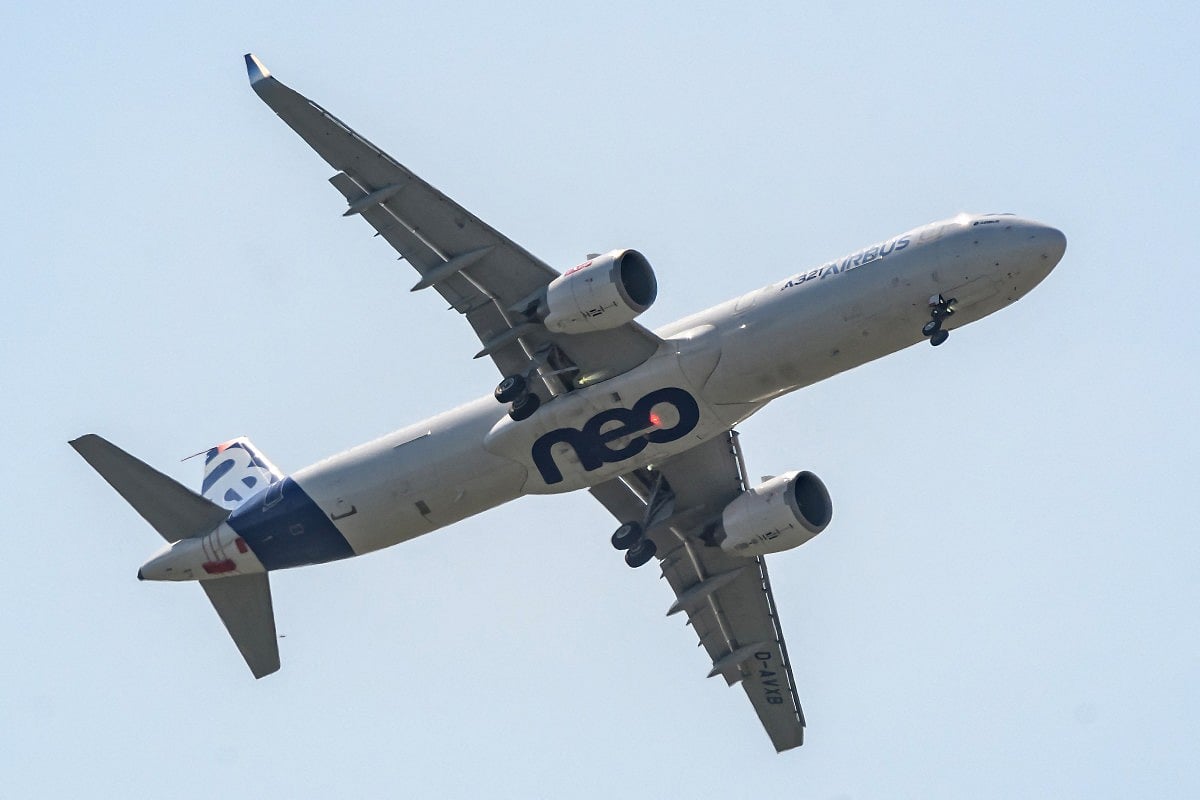
Airbus has identified a manufacturing quality defect affecting about 500 A321neo aircraft, including roughly 250 already in service.
The European planemaker said the problem could reduce corrosion resistance inside part of the aircraft’s fuselage. Still, it stressed that it does not pose a safety risk and affected planes can continue flying.
Get updated faster and for FREE: Download the Gulf News app now - simply click here.
Another approximately 250 aircraft affected by the issue are at various stages of production, according to a source familiar with the matter.
The problem involves surface protection applied to structural components known as stringers in the lower forward section of the A321neo fuselage.
Airbus said it had identified and contained the source of the issue and that a remedy was available.
Can affected A321neo aircraft continue flying?
Yes.
Airbus has specifically said the defect is a quality issue rather than a safety issue and that aircraft already in service can continue operating.
The company has been notifying airline customers about the problem.
The defect relates to corrosion protection rather than an immediate structural safety problem. Aircraft already delivered are expected to require inspection and any necessary remedial work.
The issue was first reported by aviation publication The Air Current before Airbus confirmed that it had detected a deviation in the surface protection applied to the fuselage components.
On Friday, industry sources said the problem stemmed from an Italian supplier applying an incorrect coat of primer.
Airbus shares fell more than 1 per cent in early trading as investors assessed whether the additional work could affect aircraft production and deliveries.
Will Airbus deliveries be affected?
Airbus has maintained its target of delivering around 870 commercial aircraft in 2026.
The company delivered 475 aircraft between January and August and is trying to accelerate production during the remainder of the year.
Analysts said a remedy could help limit the impact on deliveries.
Airbus is also trying to increase production of its popular single-aisle aircraft amid strong airline demand and continuing pressure on global aerospace supply chains.
The A321neo is the largest member of Airbus’s A320neo single-aisle aircraft family and has become one of the manufacturer’s most important commercial aircraft.
Are UAE or Gulf airlines affected?
It is not yet clear which individual airline fleets contain aircraft affected by the manufacturing defect.
Several airlines in the wider region operate A321neo-family aircraft, but operating the aircraft type does not necessarily mean that a particular jet is among those affected.
Airbus has not publicly identified the approximately 250 aircraft already in service or provided a list of airlines operating them.
The distinction is important because the issue applies to a particular batch of aircraft rather than every A321neo in operation worldwide.
Airbus said newly coated components now meet the required specifications.
The latest problem follows another Airbus manufacturing quality issue involving fuselage panels last year, which contributed to delivery delays.
For passengers currently booked on A321neo flights, Airbus maintains that the affected aircraft are safe to continue operating.
Network Links
GN StoreDownload our app
© Al Nisr Publishing LLC 2026. All rights reserved.