Australia’s GDP falls more than forecast, confirming recession
Gross domestic product plunged 7% from the first three months of the year.
Also In This Package
COVID-19 sparks entrepreneurial spirit in Venezuela
Residential 'resort' Antara opens in Riyadh
Top video games: How mobile games crushed consoles
Dubai: Areas where rents have fallen and by how much
World's biggest rooftop greenhouse opens in Montreal
Watch: 'Flying car' gets off ground, with one person
Sydney: Australia fell into its first recession in almost 30 years with the economy contracting in the three months through June, while the recovery is buffeted by Victoria state’s renewed Covid outbreak and lockdown.
Gross domestic product plunged 7% from the first three months of the year, the first back-to-back quarterly declines since 1991, statistics bureau data showed in Sydney Wednesday. The slump was larger than economist forecasts of a 6% drop. From a year earlier, it tumbled 6.3% versus an estimated 5.1% fall.
Also Read
Unveiled: 5-in-1 products form new 'Samsung ecosystem'75 cities: Emirates flying to these destinationsTourism inching back to normal in Greece's Areopoli amid COVID-19Meet the billionaires who dropped out of college (or Ph.D.)Here is a look at the recent Forbes list of top Women Behind Middle Eastern Brand 2020The Australian dollar fell after the report, trading at 73.41 U.S. cents at 11:33 a.m. in Sydney from 73.60 cents.
Australia’s early lifting of restrictions and reopening of its economy is now being offset by an almost two-month lockdown in Melbourne, the nation’s second-largest city with about 5 million people, delaying the recovery. The central bank and government are working in tandem to try to support the economy, with the former on Tuesday expanding a lending facility to banks to keep credit flowing and the latter extending its labor market assistance package.
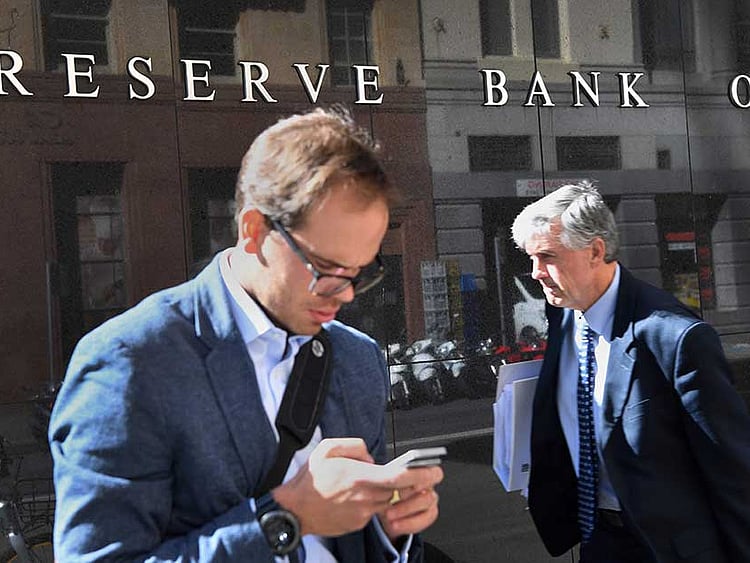
The Reserve Bank in March cut its cash rate to a record-low 0.25% and set the same target for the three-year bond yield as it aims to lower borrowing costs across the economy. The RBA predicts the renewed lockdown will lift unemployment to about 10% later this year.
The government, meantime, has injected tens of billions of dollars into the economy including its signature JobKeeper wage subsidy program designed to keep workers attached to firms as it tries to maintain employment connections until activity can resume.
Australia’s record run of avoiding two consecutive quarters of negative GDP, which included avoiding recessions during the 1997 Asian Financial Crisis, the Dot Com Bubble and the 2008 global financial crisis, has come to an end with the largest contraction on record according to ABS data dating back to 1959. It now joins much of the world in succumbing to a pandemic-induced downturn.
Sign up for the Daily Briefing
Get the latest news and updates straight to your inbox
Network Links
GN StoreDownload our app
© Al Nisr Publishing LLC 2026. All rights reserved.