Rupee slides to four-year low as oil shock lifts remittance value
Rupee slides to record low, boosting remittances from UAE to India
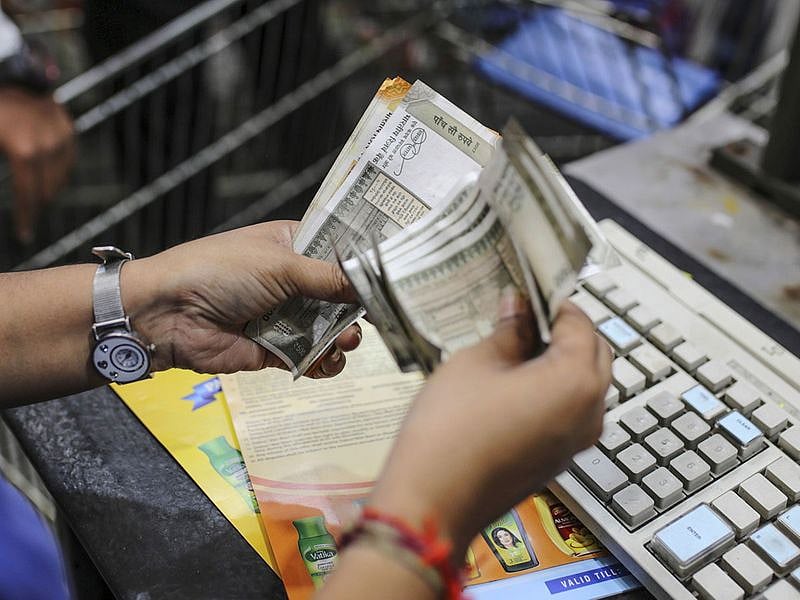
Dubai: Indian expats sending money home are getting a sudden windfall after the rupee dropped to its weakest level in four years, pushing the exchange rate to 25.55 per dirham early on Monday. (Check live forex rates here)
The move translates into higher payouts for remittances, with every Dh10,000 now converting into significantly more rupees compared to recent weeks.
Oil shock triggers sharp currency fall
The rupee’s slide reflects deeper pressure building across India’s external position, with the currency falling past 93 against the US dollar to a fresh low. It dropped as much as 1.2% in a single session, marking the steepest decline since February 2022, before weakening further in offshore trading.
Stay updated: Get the latest faster by downloading the Gulf News app - it's completely free. Click here for Apple or here for Android. You can also find it us on the Huawei AppGallery.
Volatility in global crude markets has emerged as the central driver. Oil prices surged following attacks on key energy facilities across the Middle East, raising concerns over supply disruptions and pushing India’s import bill higher. Even after easing from recent peaks, crude continues to trade well above the $70 level assumed by the Reserve Bank of India.
The central bank has previously flagged that a 10% rise in crude prices could shave 15 basis points off economic growth while lifting inflation by 30 basis points, highlighting the sensitivity of the economy to energy costs.
Capital outflows add to pressure
Currency weakness has been compounded by sustained foreign fund outflows. Global investors have pulled more than $9 billion from Indian equities this year, adding to heavy withdrawals seen in the previous year, while bond markets have also recorded steady selling.
Pressure on the rupee had been building even before the latest geopolitical developments, with the Reserve Bank of India actively intervening in currency markets for months to manage volatility. Its forward dollar positions are now nearing $100 billion across onshore and offshore markets, reflecting the scale of intervention required to contain sharp swings.
Further downside seen in near term
Market positioning suggests expectations of continued weakness. Analysts at Nomura see the rupee sliding further to 96 against the dollar by the end of June, citing elevated oil prices, persistent capital outflows and a policy stance that may allow gradual depreciation.
The outlook keeps the dirham-rupee corridor in focus for UAE-based residents, where exchange rate movements are directly translating into stronger remittance value, even while signalling broader stress in India’s macroeconomic balance.
- With inpus from Boomberg.

Sign up for the Daily Briefing
Get the latest news and updates straight to your inbox
Network Links
GN StoreDownload our app
© Al Nisr Publishing LLC 2026. All rights reserved.