Rupee sinks to record low vs dirham, crosses 25.25 level
Rupee weakens as reserves fall and oil-driven pressures weigh on outlook
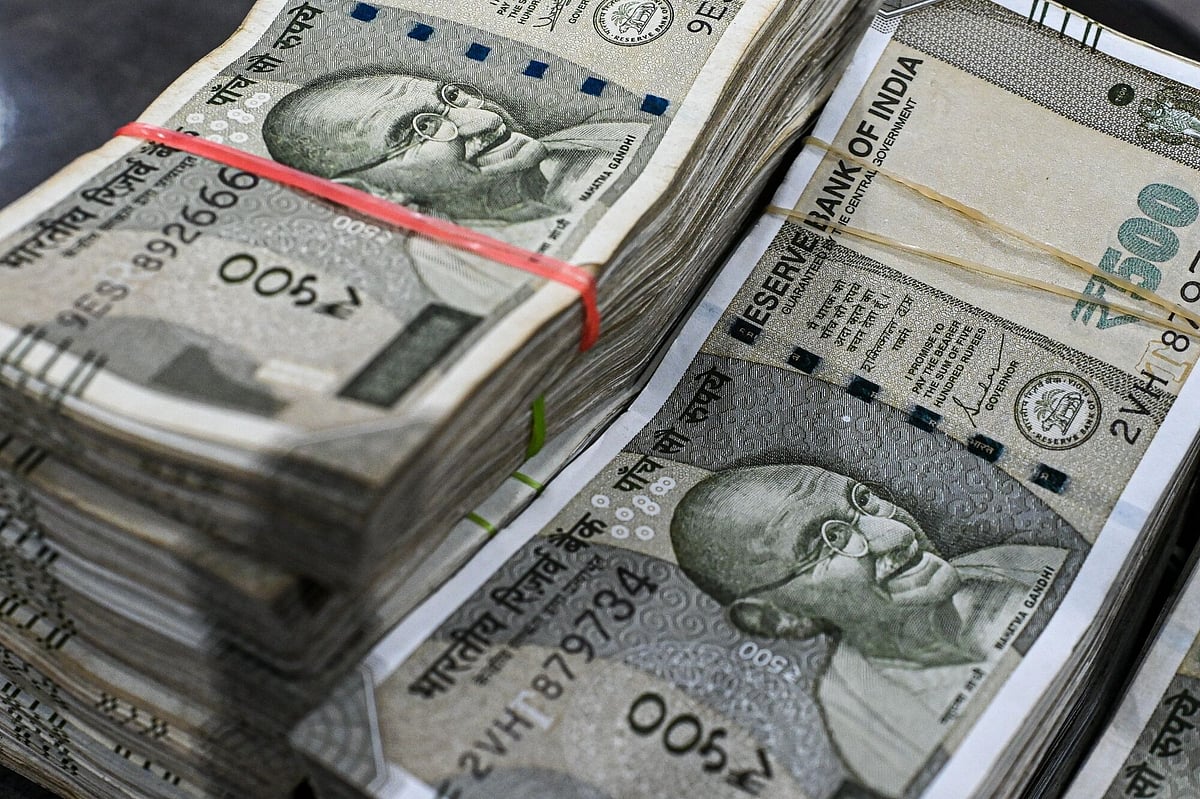
Dubai: The Indian rupee slid to a record low against the UAE dirham on Wednesday evening, with Dh1 fetching Rs25.25 at 4 pm, tightening pressure on remittances and signalling broader stress in India’s currency outlook. (Check live forex rates here)
The move means Dh10,000 now converts to around Rs252,518, offering a stronger window for UAE-based remitters even as the underlying weakness reflects deeper economic pressures.
Pressure builds on reserves
The rupee’s slide comes alongside a steady drawdown in India’s foreign exchange reserves, as the Reserve Bank of India steps up intervention to limit volatility.
Stay updated: Get the latest faster by downloading the Gulf News app - it's completely free. Click here for Apple or here for Android. You can also find it on the Huawei AppGallery.
Forex assets, excluding gold, are now sufficient to cover about 8.7 months of imports, the lowest level in three years, according to Bloomberg data. Total reserves have declined from a peak of $591 billion in June to $563 billion in early March, marking the sharpest drop in months.
Analysts say the central bank’s room to intervene is narrowing. Former RBI deputy governor Michael Patra has previously indicated that a reserve buffer closer to $1 trillion would be needed to sustain stronger intervention capacity.
Oil and imports add to strain
Currency weakness is coinciding with a rising import bill, driven largely by higher energy prices. India remains heavily dependent on imports for fuel and fertilisers, making the economy sensitive to global price swings.
The impact is visible in the widening current account deficit, which continues to weigh on the rupee.
Also Read
Indian rupee sinks to record low against UAE dirham as oil surge rattles marketsIndian rupee hits record low against UAE dirham. Is this the best time to send money home?Indian rupee near record low. 7 factors driving the slideSantanu Sengupta, chief economist for India at Goldman Sachs, said, “The rupee remains under pressure in our view, given the current account deficit is widening.”
He added that while inflation remains contained for now, higher oil prices and currency weakness could feed into consumer prices over time.
“That question will come up further down the line rather than now,” he said.
RBI intervention in focus
The RBI has been actively intervening in currency markets in recent weeks to cushion the fall, with the rupee trading close to its record low against the dollar.
However, the central bank’s forward book stood at $67.8 billion at the end of January, suggesting part of its intervention capacity has already been deployed.
Markets are also watching how long the RBI can maintain this approach if external pressures persist.
Outlook tied to inflation and growth
Goldman Sachs has already revised its outlook for India, cutting growth forecasts to 6.5% and raising inflation expectations, while projecting a wider current account deficit.
Sengupta said the central bank is likely to hold rates steady for now, with liquidity support expected if needed, while fiscal measures may be used to shield consumers from rising costs.
“We are still fairly optimistic of the economy to handle the stress,” he said.
- WIth inputs from Bloomberg.

Sign up for the Daily Briefing
Get the latest news and updates straight to your inbox
Network Links
GN StoreDownload our app
© Al Nisr Publishing LLC 2026. All rights reserved.