How India Budget 2026 lowers upfront tax on NRI payments made from India
Lower remittance tax reduces upfront costs for UAE-based Indians sending money abroad
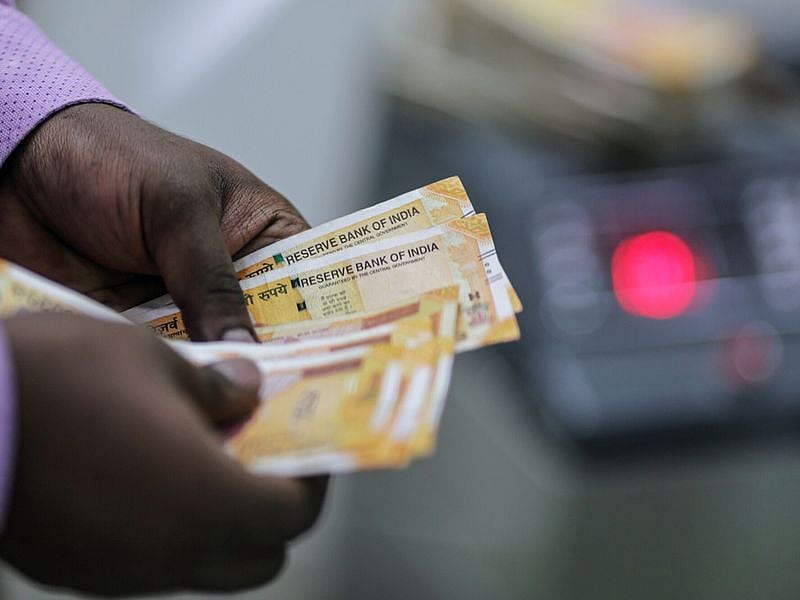
Dubai: If you live in the UAE and spend Indian rupees for overseas travel, education or medical treatment abroad, India’s Budget 2026 brings immediate relief.
The government has cut the upfront tax on key remittances to 2%, reducing how much money gets held back when you make international payments from your Indian bank account. This particularly matters if you still use India-based savings for big expenses.
Which remittances are cheaper?
1. Remittances for overseas travel
If you book an international holiday from India — whether through a travel agent or an online platform — the remittance tax on tour packages is now a flat 2%. Earlier, this tax could be 5% or as high as 20%, depending on the value of the package.
This applies to bundled travel expenses such as:
Air tickets
Hotel stays
Meals and local transport included in the package
For NRIs who use Indian bank accounts to book family holidays or international trips, this means less money is deducted upfront at the time of booking. You still pay the same total amount for the trip, but more of your money stays available immediately instead of being blocked as tax.
2. Remittances for overseas education
If you send remittances from India to pay for a child’s university fees, tuition or study-related expenses abroad, the upfront tax deducted has been reduced from 5% to 2%.
This is especially relevant for UAE-based parents whose children study in countries such as the US, UK, Canada or Australia, and where fees are often paid in large instalments.
With the lower remittance tax:
Less money is held back when fees are transferred
More funds remain available for accommodation, food and books
Families face less pressure to arrange short-term funding
The benefit shows up immediately when the payment is made.
3. Remittances for overseas medical treatment
Remittances sent from India for medical treatment abroad are also now subject to 2% upfront tax, reduced from earlier levels.
This matters most during:
Medical emergencies
Planned surgeries or specialist treatments overseas
In such situations, timing is critical. A lower remittance tax means less cash is blocked at a stressful moment, making it easier to manage hospital bills, travel costs and recovery-related expenses without scrambling for additional funds.
Why this helps NRIs in UAE
Earlier, a higher remittance tax meant a larger portion of money was blocked at the time of payment. With the lower rate now in place, less cash is held back upfront, more money remains available for everyday expenses, and planning becomes simpler.
For instance, if you send remittances from India for a child studying in the US or the UK, the reduced tax leaves more funds immediately available for rent, books and daily living costs.
What has not changed is the overall tax liability. This is not a tax waiver but a cut in the upfront remittance tax, meaning the final tax payable remains the same. The difference is in timing. For UAE-based NRIs, Budget 2026 makes remittances for travel, education and medical needs easier to manage by improving access to funds when they are needed most.

Sign up for the Daily Briefing
Get the latest news and updates straight to your inbox
Network Links
GN StoreDownload our app
© Al Nisr Publishing LLC 2026. All rights reserved.