Pressure mounts on Iran as US, Israel prepare week-long strikes
Gulf countries urge restraint as diplomacy intensifies to avert war
Dubai: The United States and Israel are preparing for a possible week-long bombing campaign against Iran after the November 3 US midterm elections, targeting the country’s leadership, nuclear facilities, energy installations and critical infrastructure, even as Gulf countries intensify diplomatic efforts to prevent another major escalation.
While the UAE has called for restraint and political solutions, Saudi Arabia has reportedly urged Washington to give negotiations more time as Qatar leads a last-ditch push for an agreement between Tehran and the Trump administration.
According to Axios, US and Israeli officials are preparing for a potential seven-day military operation, although President Donald Trump has not made a final decision.
The Associated Press separately reported that Washington has warned several Middle East allies to prepare for renewed military action and possible Iranian retaliation against energy facilities and other critical infrastructure.
US, Israel coordinate military plans
Israeli military chief General Eyal Zamir spoke with US Central Command commander Admiral Brad Cooper on Monday to coordinate preparations for potential attacks, Axios reported.
Israeli Prime Minister Benjamin Netanyahu has also vowed to “finish the job” against Iran, making clear that his objective goes beyond weakening Tehran’s nuclear and military capabilities.
Speaking on October 20, Netanyahu said completing the campaign meant bringing down Iran’s leadership, describing regime change as Israel’s primary objective. He said he had discussed the issue with Trump, although there has been no confirmation that Washington has agreed to pursue that goal.
The Wall Street Journal also reported that Washington had warned several Gulf countries to prepare for a possible short, intense military campaign after the elections.
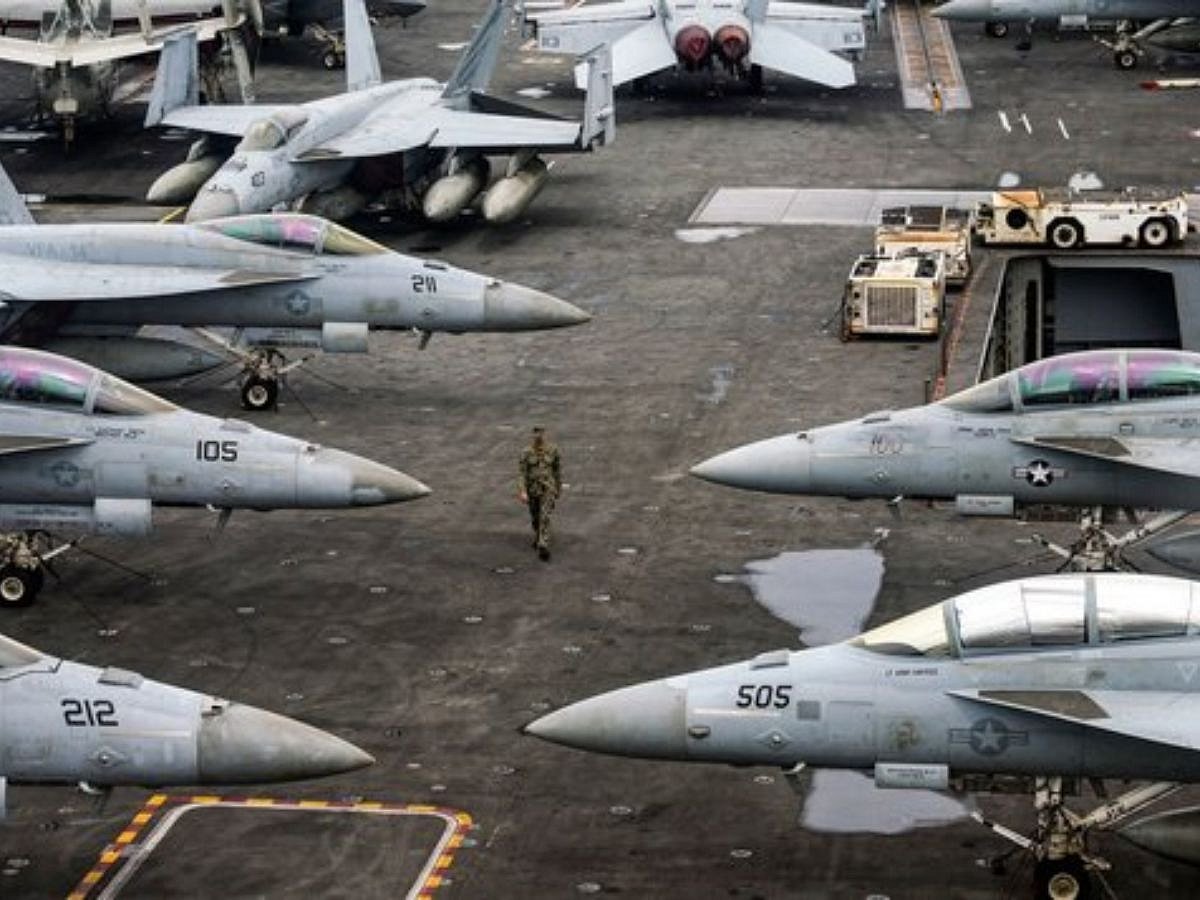
The Pentagon has strengthened its regional presence, deploying the USS Theodore Roosevelt aircraft carrier and amphibious landing ships carrying Marines towards the Arabian Gulf.
According to AP, the deployment involves roughly 9,000 personnel and could contribute to a US naval presence exceeding 20,000 sailors and Marines, supported by hundreds of aircraft.
Meanwhile, Defence Secretary Pete Hegseth has removed Lieutenant General Brett Sylvia, the Pentagon’s senior officer responsible for strategy, plans and policy on the Joint Chiefs of Staff.
CNN reported that no explanation was given for the dismissal, which comes amid preparations for possible military operations against Iran.
Gulf countries push to avert escalation
The UAE Foreign Ministry urged all parties to “exercise wisdom and pursue political solutions to help contain tensions” and prevent a return to full-scale military operations.
Meanwhile, Saudi Arabia has reportedly urged Trump not to rush into another military campaign and to allow regional mediators more time to secure an agreement.
According to Axios, Saudi officials conveyed Tehran’s concerns about a possible post-election bombing operation to the White House following recent diplomatic contacts.
Saudi, Turkish and Pakistani security officials also reinforced the urgency of reaching an agreement during meetings in Tehran.
Oman has also stepped up calls for a diplomatic solution, with Foreign Minister Sayyid Badr Albusaidi proposing a non-aggression pact involving the six GCC countries, Iran and Iraq. Speaking in Britain on Monday, he warned that excluding Tehran from regional security arrangements would undermine stability and said the foundations for a US-Iran nuclear agreement remained in place if both sides returned to negotiations.
The appeals come amid growing concerns that renewed US-Israeli strikes could trigger Iranian retaliation across the region.
Qatar offers nuclear inspections deal
Qatar, supported by Saudi Arabia, Pakistan, Turkey and Egypt, is seeking an agreement that could allow International Atomic Energy Agency inspectors to return to Iranian nuclear facilities damaged during earlier US and Israeli attacks.
In exchange, Washington could offer limited sanctions relief, including waivers permitting Iranian oil exports and the release of frozen funds for humanitarian purchases, Axios reported.
Vance offers to lead direct Iran talks
US Vice President JD Vance has proposed direct peace negotiations with Iran, offering to personally lead the American delegation as Washington considers renewed military strikes, The New York Times reported.
Citing a senior US official and an Iranian official, the newspaper said Vance sent a letter last week through Qatari mediators to General Mohsen Rezaei, secretary of Iran's Supreme National Security Council and former commander of the Revolutionary Guards.
The proposal was reportedly received positively by Iranian leaders, with Tehran expected to respond formally by Thursday.
The letter, approved by Trump before being sent, called for direct negotiations addressing the conflict and Iran's nuclear programme.
According to the officials, talks could begin as early as next week in Qatar or Turkey, potentially without preconditions.
Trump, however, publicly characterised Vance's outreach as an effort to facilitate medical supplies rather than a directive to restart peace negotiations.
Fears of wider regional conflict
According to AP, US officials have urged regional allies to take precautions against possible Iranian retaliation targeting energy installations and other essential infrastructure.
Diplomats warned that Iran and allied armed groups could respond to renewed strikes with attacks extending well beyond the initial military campaign.
The threat comes amid repeated attacks by Yemen’s Iran-backed Houthi militia on Saudi oil installations and airports, prompting retaliatory strikes by the Saudi-led coalition against Houthi-held territory.
Iranian Foreign Minister Abbas Araghchi said Tehran remained committed to exploring diplomacy even as it prepared to defend itself.
Trump weighs next move
The possible offensive comes as Trump faces domestic pressure over the economic consequences of the eight-month conflict, including rising fuel prices ahead of the congressional elections.
According to AP, the Pentagon’s latest estimate puts the cost of the Iran war to US taxpayers at $47.1 billion.
During a campaign appearance in Texas on Tuesday, Trump suggested that a decisive end to the conflict could come within weeks.
“We need to finish the job — either through a deal or another way — we will find out if negotiations can succeed,” Trump told Axios.

Sign up for the Daily Briefing
Get the latest news and updates straight to your inbox
Network Links
GN StoreDownload our app
© Al Nisr Publishing LLC 2026. All rights reserved.