Twins delivered alive after mother's death in Egypt hospital emergency
Doctors performed emergency Caesarean after detecting faint heartbeats in unborn twins
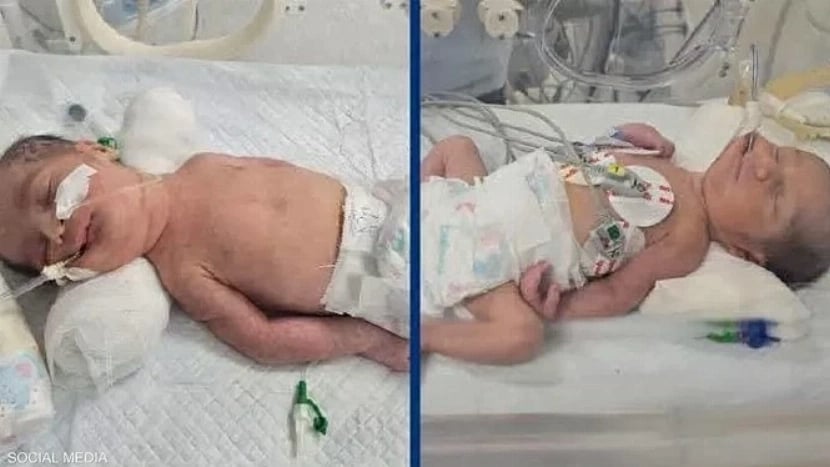
Dubai: Doctors at a hospital in Egypt’s Sohag governorate delivered twins from the womb of a 26-year-old woman who had been without a heartbeat for about 20 minutes, after an ultrasound detected faint signs of life in the unborn babies.
The woman arrived at Saqalta Hospital’s emergency department suffering a cardiac arrest and attempts to resuscitate her were unsuccessful. An ultrasound examination, however, detected extremely faint foetal heartbeats, prompting doctors to launch an emergency operation to save the twins.
Get updated faster and for FREE: Download the Gulf News app now - simply click here.
Surgical, anaesthesia and paediatric teams were mobilised, and the woman was transferred immediately to an operating theatre, where doctors performed an emergency Caesarean section.
The twins were delivered within about 10 minutes in an effort to minimise the risk of permanent brain damage from oxygen deprivation.
Both babies required intensive respiratory resuscitation after delivery before they began breathing and their conditions stabilised. They were subsequently admitted to the hospital’s neonatal intensive care unit. The mother could not be revived.
Amr Hassan, an adviser to the World Health Organisation, said the speed of the medical intervention was crucial to the survival of the twins.
Hassan said Egypt recorded 867 maternal deaths in 2025, with severe bleeding accounting for 28.1 per cent of cases and complications related to high blood pressure for 15.2 per cent.
The case drew widespread attention in Egypt, where the survival of the twins following their mother’s death highlighted the importance of rapid emergency intervention in cases of maternal cardiac arrest.
Network Links
GN StoreDownload our app
© Al Nisr Publishing LLC 2026. All rights reserved.