US President Donald Trump said Washington was holding “productive discussions” with Iran and pledged not to attack the country before the November 3 US midterm elections.
His statement signals a possible diplomatic opening, but it does not mean a peace deal or ceasefire has been reached.
Get it: Fast, verified news for FREE ... download the Gulf News app — simply click here
What happened?
Trump made the announcement on Truth Social on Thursday, October 8, saying the US would not attack Iran before the November 3 midterm elections. The statement came amid continued indirect negotiations over ending the war, which began in February 2026 with US and Israeli strikes on Iran.
Key points
No US attack before the midterms: Trump said Washington would hold off on attacking Iran until after November 3. This is a statement of his current intention, not a permanent end to military operations.
Talks remain indirect: US envoy Steve Witkoff has continued negotiations with Iranian officials, with Qatar serving as a mediator.
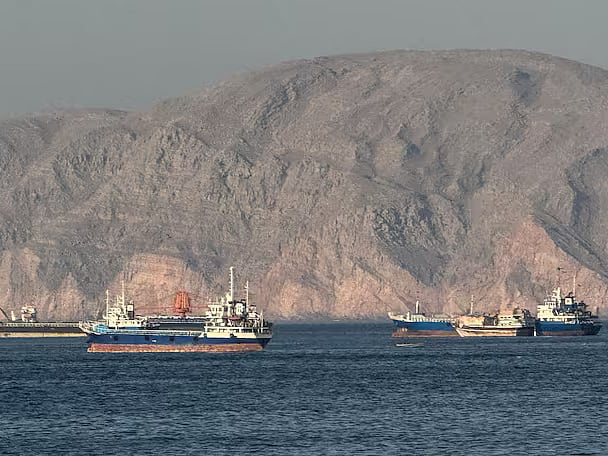
Hormuz remains central: The two sides have exchanged proposals aimed at reopening the Strait of Hormuz, a critical route for global oil shipments. Trump rejected Iran's latest proposal, while Tehran has been reviewing a US counterproposal.
The nuclear dispute remains unresolved: Washington wants meaningful limits on Iran's nuclear programme. Tehran has said it will not abandon uranium enrichment or surrender its uranium stockpile.
Military and economic pressure continues: The US blockade of Iranian ports remains in place, and Washington announced fresh sanctions targeting Iranian oil-shipping networks.
“Operation Economic Outcast” continues: On October 8, the US Treasury Department, under the campaign dubbed “Operation Economic Outcast,” sanctioned individuals, front companies, and 17 tankers it says form the core of Iran’s remaining “shadow fleet” used to move millions of barrels of Iranian crude, petroleum products, and petrochemicals to markets in South and East Asia.
Treasury Secretary Scott Bessent said the action “effectively neutralises the vast majority of Iran’s remaining shadow fleet network,” arguing it cuts the regime’s main maritime channels for evading US sanctions and funding its war effort.
Web of shell companies: The designated vessels are registered under more than a dozen jurisdictions and linked to a web of shell companies, including entities such as Horizon Ship Management and One Plus International, which Treasury says have repeatedly loaded Iranian‑origin cargoes.
Because of the blockade and sanctions, Iran now has only about 20 million barrels of crude left on vessels outside the blockade, with no recorded oil exports since late August, according to shipping data.
Why it matters
The announcement may reduce the immediate risk of another US attack before the elections, but the blockade and sanctions continue — and does not establish a ceasefire or guarantee a diplomatic settlement.
The war and disruption to shipping through the Strait of Hormuz continue to threaten energy supplies and keep oil prices volatile.
While crude oil prices soared Thursday following reports that the United States could launch fresh attacks on Iran before November midterms, risking further supply disruptions, prices eased slightly after Trump ruled out hitting Iran before the November vote, saying Washington was holding "productive discussions" with Tehran.
Brent North Sea crude, the international benchmark, rallied to as high as $105.88 a barrel on Thurdsay (Oct. 8) before retreating early Friday (Oct. 9, 2026) to $103.65, a rate that still more than 65% higher than a year ago.
Network Links
GN StoreDownload our app
© Al Nisr Publishing LLC 2026. All rights reserved.