Israel election: Exit polls show no clear winner as Netanyahu’s fate hangs in balance
Israel faces coalition talks as no clear winner emerges from election exit polls
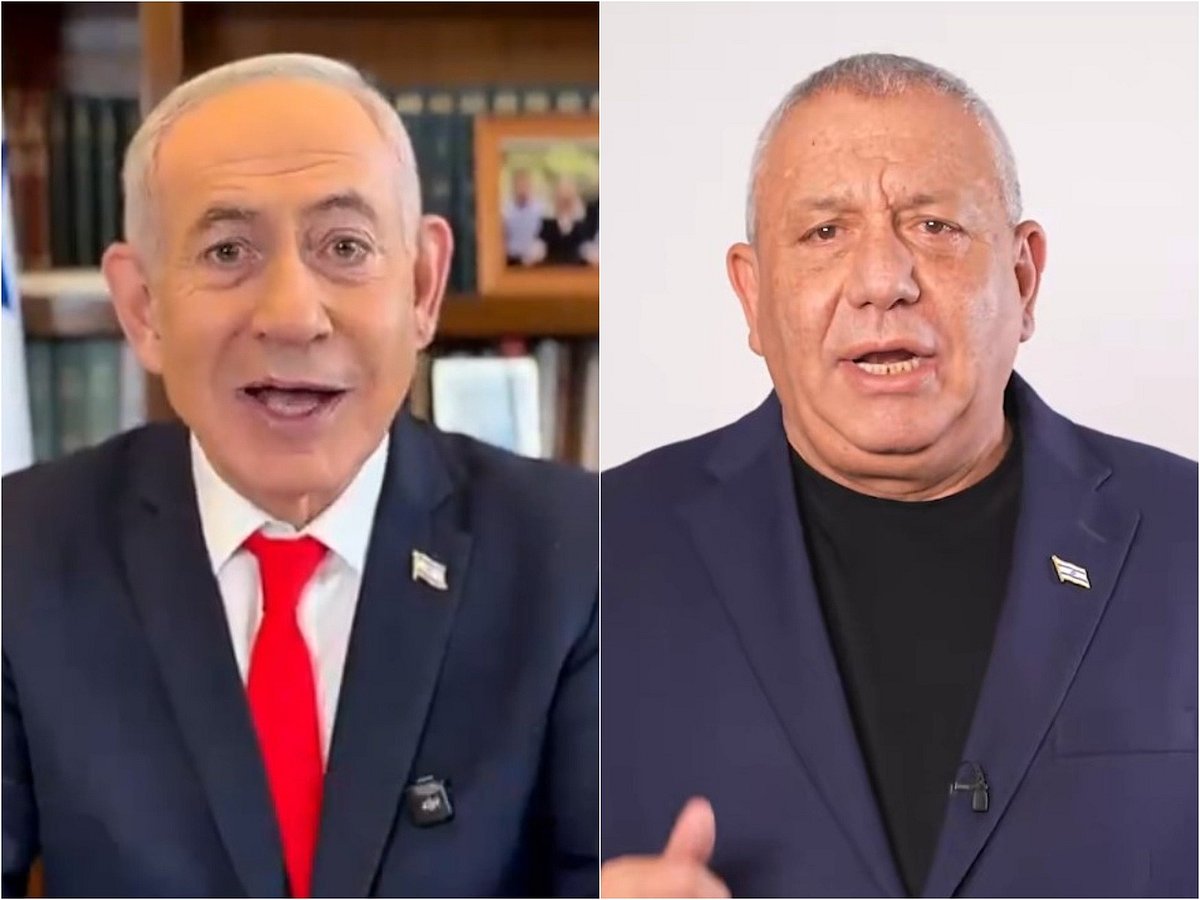
Israel’s election ended on Tuesday without a clear winner, exit polls suggest, potentially setting the stage for weeks of negotiations to form a government and leaving Prime Minister Benjamin Netanyahu’s political future uncertain.
Exit polls released by major Israeli television stations indicated that neither Netanyahu’s political bloc nor the parties supporting his main rival, former military chief Gadi Eisenkot, secured the 61 seats needed for a parliamentary majority.
The election was widely seen as a referendum on Netanyahu’s leadership following Hamas’ October 7, 2023, attack and the regional conflicts that followed. Preliminary results were expected in the hours after polls closed, with official results due in the coming days.
Get updated faster and for FREE: Download the Gulf News app now - simply click here.
No clear winner as polls close
Polling stations across Israel closed at 10pm local time, following a day of high turnout despite rain and stormy weather in parts of the country.
Israel’s Central Elections Committee reported that 74.3 per cent of eligible voters had cast ballots by 8pm. That was eight percentage points higher than turnout at the same time in the 2022 election and the highest recorded at that hour since 1988, according to the committee.
Netanyahu’s Likud party and other right-wing parties had requested an extension of voting hours, but the election commission rejected the request, saying there were no grounds to extend the deadline. Voters already in line by 10pm were allowed to cast their ballots.
Weeks of coalition talks possible
Israel’s parliamentary system relies on parties forming alliances to secure a majority in the 120-seat Knesset. No single party has ever won an outright majority, and an inconclusive result could lead to weeks or months of negotiations.
Around a dozen parties were expected to win seats, making coalition-building central to determining who becomes prime minister. Arab-led parties could also influence the outcome, although forming a coalition with them remains politically contentious among major parties.
Arab voter turnout draws attention
High turnout in Arab-majority communities and liberal strongholds appeared to be a notable feature of the election, according to official figures and political analysts.
The Joint List, an alliance of Arab parties, hoped the increased participation would help it win more seats and strengthen efforts to remove Netanyahu’s government. Party leaders have indicated they could consider supporting an opposition-led government from outside a coalition.
Netanyahu urged his supporters to vote in the final hours, warning that his right-wing bloc could lose control. Right-wing politicians also raised concerns about Arab turnout, without providing evidence to support their claims about its scale.
Netanyahu and Eisenkot make final appeals
Netanyahu described the election as a “war for our home” in a social media appeal near the end of voting, urging supporters to turn out.
Eisenkot, a former military chief whose son and two nephews were killed in Gaza, urged voters to choose “enlistment over draft evasion”. Exemptions from military service for ultra-Orthodox men were a central issue in his campaign.
Eisenkot also called for greater government accountability over the October 7 attack, which triggered the war in Gaza and related regional conflicts.
Security and public services among key issues
The election took place amid deep divisions over Israel’s security, military conscription, judicial independence and international standing. Netanyahu’s supporters view him as a leader who can protect Israel’s security and identity, while critics accuse his government of prolonging the Gaza war and weakening democratic institutions.
Opposition parties have pledged to improve Israel’s international relations, strengthen judicial independence and address military service exemptions for ultra-Orthodox men.
The exit polls are estimates and may differ from the final results. The official count and subsequent coalition negotiations will determine who leads Israel’s next government.
Network Links
GN StoreDownload our app
© Al Nisr Publishing LLC 2026. All rights reserved.