'Near-final 14-point' US-Iran peace deal: Hormuz reopening, sanctions relief, nuclear talks in focus
Bloomberg publishes interim deal "list": key nuclear, shipping details unclear
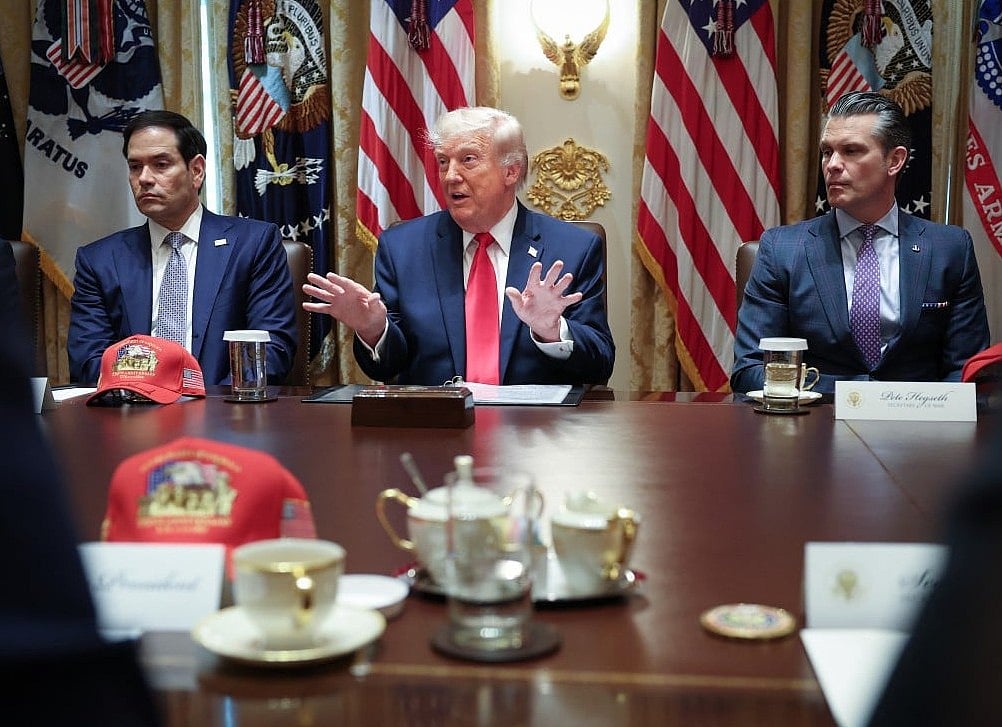
The United States and Iran are preparing to formally sign an interim peace agreement in Geneva on Friday (June 19). Both sides portray the deal as a strategic victory.
Key details of the accord remain shrouded in mystery.
The agreement, described as a memorandum of understanding (MoU), is expected to launch a 60-day negotiating period focused on Iran's nuclear programme, regional security issues, and the future framework of relations between Washington and Tehran.
Bloomberg has reported on what it called the "near-final" 14-point US-Iran interim agreement (or draft memorandum of understanding, MoU).
Key details (as per Bloomberg)
Core elements: The draft outlines an immediate ceasefire (including in Lebanon), reopening of the Strait of Hormuz for shipping, temporary sanctions waivers (especially for Iranian oil sales), and a ~60-day window for further negotiations on Iran’s nuclear program, sanctions, and other issues. A formal signing was anticipated around June 19 in Switzerland.
Both sides claiming aspects of victory: The US emphasised limits on Iran’s nuclear ambitions and no direct US taxpayer funding (e.g., reconstruction via private Gulf/Asian sources), while Iran highlighted sovereignty, sanctions relief, and de-escalation.
Uncertainty: Until a similar text is published by both sides, it will remain a major subject of speculation following months of tensions/war (~15 weeks by mid-June 2026), with prior back-and-forth on drafts and mediation (e.g., via Oman or Pakistan).
Discrepancies: There have been discrepancies in versions circulated by each side. Public versions differ slightly between US and Iranian sides, as is common in such diplomacy.
Broader confirmation
Other outlets like Fortune, Al Jazeera reference the same 14-point framework, Hormuz reopening, and interim nature.
While coverage treats it as "real", it comes with caveats on implementation challenges, Israeli objections, as details are still emerging.
Caveats
It's an interim/draft MOU — not a final comprehensive deal — many specifics (especially nuclear limits and long-term sanctions) are deferred to negotiations.
Implementation doubts remain (e.g., speed of Hormuz reopening, trust issues).
Sanctions relief
The reported sanctions relief could quickly increase Iranian crude exports, potentially adding significant volumes to global markets at a time when traders are reassessing supply risks following months of conflict in the Gulf.
Maritime analysts and shipping executives caution that reopening the Strait of Hormuz may prove far more complicated than signing a political agreement.
Shipping associations have continued to seek independent confirmation that navigation routes are free of mines, unexploded ordnance, and other security threats before resuming normal operations.
War-risk insurance premiums also remain elevated, making many shipowners reluctant to immediately return to pre-conflict transit levels.
Oil prices slide
Markets have responded cautiously.
Oil prices have fallen sharply on expectations that a de-escalation could reduce supply risks and increase Iranian exports, but traders remain focused on whether the political breakthrough can be translated into practical improvements in maritime security.
For now, both governments are celebrating the agreement as a breakthrough.
But until the final text is published and shipping begins moving freely through Hormuz again, questions remain about whether the deal marks the beginning of a lasting detente or merely a temporary pause in a volatile confrontation.
Energy industry insiders are skeptical about how quickly it can restore normal shipping through the Strait of Hormuz.
The yet-unpublished text leaves uncertainty over implementation, verification mechanisms, and the timetable for reopening one of the world's most important energy chokepoints.
Sign up for the Daily Briefing
Get the latest news and updates straight to your inbox
Network Links
GN StoreDownload our app
© Al Nisr Publishing LLC 2026. All rights reserved.