Make-or-break talks: Can US and Iran avoid another war?
Hormuz, Lebanon and nuclear demands dominate agenda in Islamabad
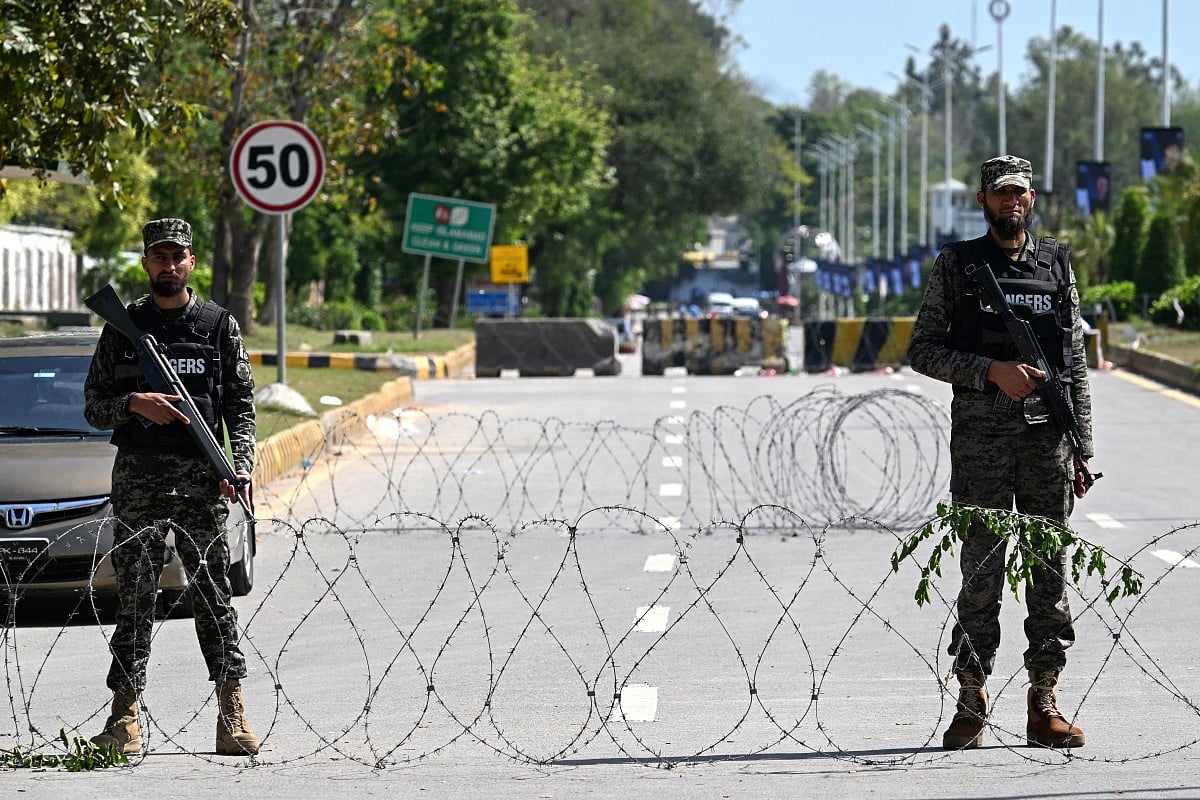
The United States and Iran are holding their highest-level talks in years in Islamabad on Friday, in a Pakistan-brokered effort to turn a fragile two-week ceasefire into a longer-term agreement after weeks of war that shook the Middle East and global energy markets.
The negotiations come at a critical moment. While the ceasefire agreed on April 8 is holding for now, continued Israeli strikes in Lebanon, disagreements over the scope of the truce, and uncertainty over key demands risk derailing the talks before they gain momentum.
At stake is not just the future of the conflict, but the stability of global oil markets, with the Strait of Hormuz — through which about a fifth of the world’s energy supplies pass — still only partially reopened.
Who is taking part in the talks?
The US delegation is being led by Vice-President JD Vance, alongside special envoy Steve Witkoff and Jared Kushner, President Donald Trump’s son-in-law.
Iran has not officially confirmed its full delegation, but reports suggest it will be led by Parliament Speaker Mohammad Bagher Ghalibaf, alongside Foreign Minister Abbas Araghchi.
The talks are expected to be indirect, with Pakistani officials shuttling between the two sides — a format used in earlier negotiations.
Where are the talks being held?
The talks are being held in the Pakistani capital Islamabad.
The government has kept its cards close to its chest, without confirming the venue. Pakistan Prime Minister Shehbaz Sharif had said the talks would take place on Friday, while the White House said the first round would begin on Saturday.
The Serena Hotel, located next to the foreign ministry in the capital’s high-security Red Zone, asked its guests to clear out on Wednesday, and that same day authorities in the capital announced a two-day public holiday on Thursday and Friday.
What triggered the talks?
The talks follow a 40-day war that began on February 28, when the US and Israel launched coordinated strikes on Iran’s military and nuclear infrastructure.
Tehran responded by effectively closing the Strait of Hormuz, disrupting global trade and sending energy prices sharply higher.
On April 8, both sides agreed to a two-week ceasefire brokered by Pakistan, creating a narrow window for diplomacy.
What to watch
Whether both sides can agree on a common negotiating framework
If the ceasefire holds beyond initial disagreements
Progress on reopening the Strait of Hormuz
Whether Lebanon becomes a deal-breaker
Signs of movement on sanctions and nuclear demands
What is being negotiated?
The gap between the two sides remains wide.
Washington is pushing a reported 15-point proposal that includes limits on Iran’s nuclear programme, restrictions on its missile capabilities, and the reopening of the Strait of Hormuz.
Iran has countered with its own 10-point plan, which includes demands for lifting all sanctions, control over the Strait of Hormuz, reparations for war damage, and recognition of its right to nuclear enrichment.
Even the details of these proposals remain disputed, with the White House saying the version referenced by Trump was “more reasonable” than the one circulated by Iranian media.
Why is Lebanon a major sticking point?
One of the most contentious issues is whether the ceasefire includes Lebanon.
Iran has insisted that attacks on Hezbollah fall under the truce, while the US and Israel have rejected that interpretation.
Just hours after the ceasefire took effect, Israel launched a wave of strikes in Lebanon, killing more than 300 people and drawing international criticism.
US Vice-President JD Vance acknowledged there may have been a “legitimate misunderstanding” over Lebanon’s inclusion.
Iran’s leadership warned that continued attacks could render the negotiations “meaningless”.
What is happening with the Strait of Hormuz?
Reopening the Strait of Hormuz is central to both the ceasefire and the talks.
The waterway has been largely shut for weeks, leaving hundreds of vessels stranded and disrupting global energy flows.
Although Iran has agreed in principle to reopen the route, only limited traffic has resumed.
Vance warned that if Iran fails to follow through, the ceasefire could collapse.
Trump has also warned Tehran against imposing tolls on shipping through the strait.
How secure is the ceasefire?
The ceasefire remains fragile.
Ongoing military activity in Lebanon, disagreements over its scope, and continued tensions between the parties mean the situation could quickly escalate again.
The truce is currently set to last two weeks, with Iran indicating talks could continue for up to 15 days.
Will the talks succeed?
The outcome remains uncertain.
Despite deep differences, both sides have signalled some openness to negotiation.
Trump said he was “very optimistic” about reaching a deal, adding that Iranian leaders were “much more reasonable” in private discussions.
“They’re agreeing to all the things that they have to agree to. Remember, they’ve been conquered. They have no military.”
Iran, however, has projected a very different narrative, with state media portraying the country as having achieved victory by withstanding the war.
Even if the talks proceed, officials expect this weekend’s meeting to be only the first in a series of negotiations toward a longer-term settlement.
- with inputs from agencies
Sign up for the Daily Briefing
Get the latest news and updates straight to your inbox
Network Links
GN StoreDownload our app
© Al Nisr Publishing LLC 2026. All rights reserved.