Guests at the mosque opening. The mosque is part of a broader environmental strategy by the Rwanga Foundation
Kurdistan mosque blends faith and sustainability in regional first
Rwanga Foundation project highlights water, energy solutions for Gulf
Last updated:
2 MIN READ
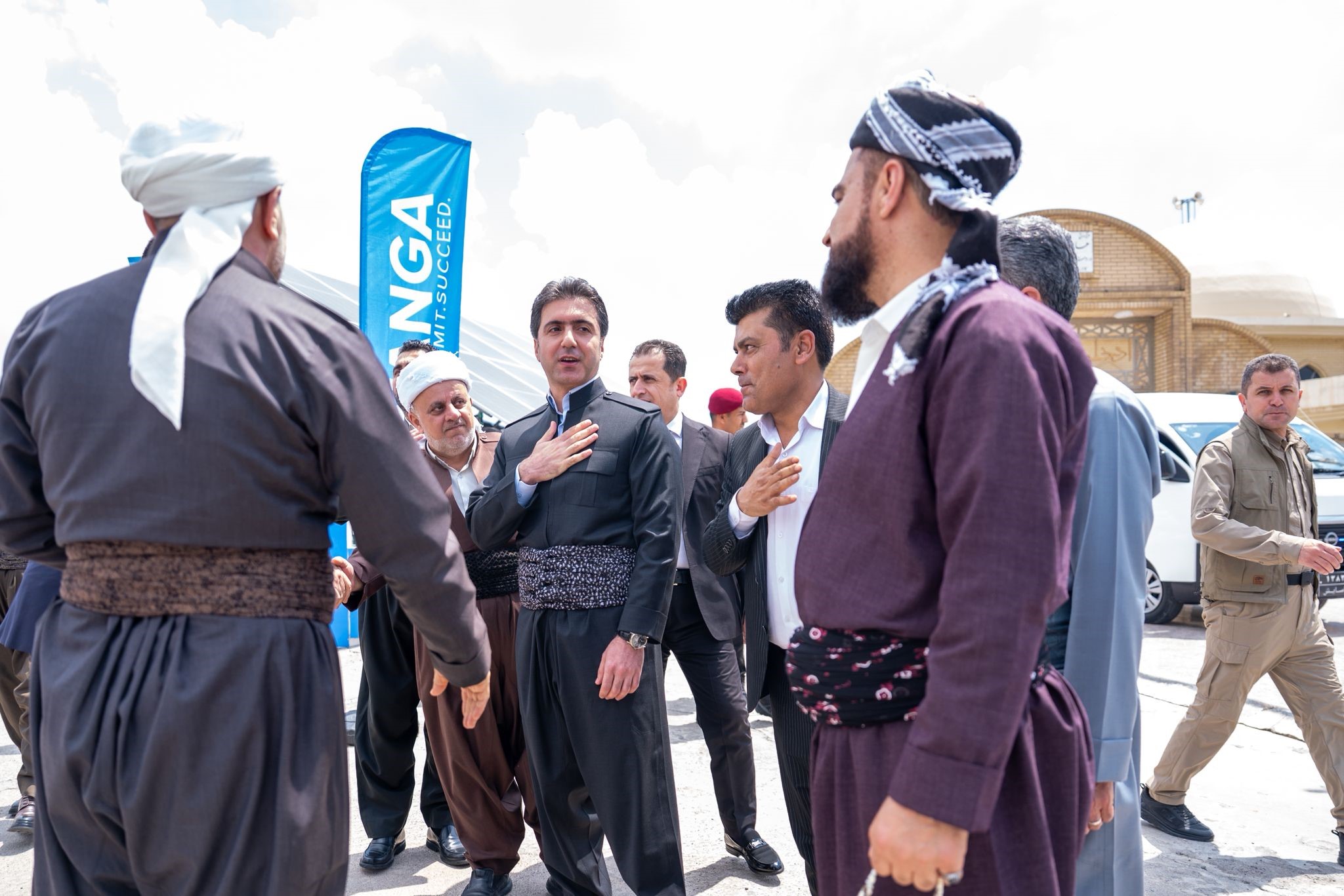
Led by Idris Nechirvan Barzani under the Rwanga Foundation, the Haji Jabar Braghi Mosque has been launched as the region’s first sustainable mosque.
A pioneering project in the Kurdistan Region of Iraq is drawing attention across the Gulf as a practical model for embedding sustainability into everyday infrastructure, particularly in water-stressed environments.
Led by Idris Nechirvan Barzani under the Rwanga Foundation, the Haji Jabar Braghi Mosque has been launched as the region’s first sustainable mosque. The project integrates on-site water recycling and renewable energy systems within a fully functioning place of worship, positioning it as a scalable model for wider adoption across Iraq and the Gulf.
The initiative comes at a critical time. Iraq is ranked by the United Nations among the countries most vulnerable to climate change, facing rising temperatures, prolonged droughts and declining water flows in the Tigris and Euphrates rivers. These challenges mirror concerns in Gulf countries, where water scarcity, heavy reliance on desalination and high energy demand continue to shape policy priorities.
Recycling unit
At the heart of the mosque is a decentralised resource management system. A dedicated recycling unit treats around 3,000 litres of water daily, rising to more than 10,000 litres on Fridays during peak use. Instead of being discharged, the water is treated and reused for irrigation and cleaning, returning approximately 12,700 litres to productive use each week.
The system uses a multi-stage process, including sediment removal, filtration, chemical balancing and disinfection, before storing the treated water for reuse. It is strictly designated for non-potable purposes, ensuring safe integration into daily operations without adding pressure on municipal water supplies.
Environmental strategy
The mosque is part of a broader environmental strategy by the Rwanga Foundation. Under Barzani’s leadership, the organisation has planted over 200,000 trees through its Green Kurdistan campaign and developed the Kulak Solar Village in Erbil, Iraq’s first fully off-grid solar-powered community supplying renewable energy to homes and public facilities.
Together, these initiatives reflect a growing shift towards decentralised, community-led sustainability solutions. Mosques, as some of the most frequently used public spaces in the region, offer significant potential for such innovations.
With thousands of mosques across Iraq and many more throughout the Gulf, the cumulative impact of adopting similar systems could be substantial. Beyond the technology itself, the project underscores how sustainability can be integrated into culturally central institutions, offering a practical blueprint for countries navigating the dual pressures of climate change and resource demand.
Sign up for the Daily Briefing
Get the latest news and updates straight to your inbox
Network Links
GN StoreAbout Gulf NewsTerms & ConditionsReach by GNSitemapContact usPrivacy PolicyGN FocusHave your sayWork with usAdvertise with usGulf News epaperPrinting Services
Download our app
© Al Nisr Publishing LLC 2026. All rights reserved.