Why Iran-Oman deal alone won’t reopen Strait of Hormuz
Tehran seeks US action on sanctions and assets as shipping groups oppose Hormuz fees
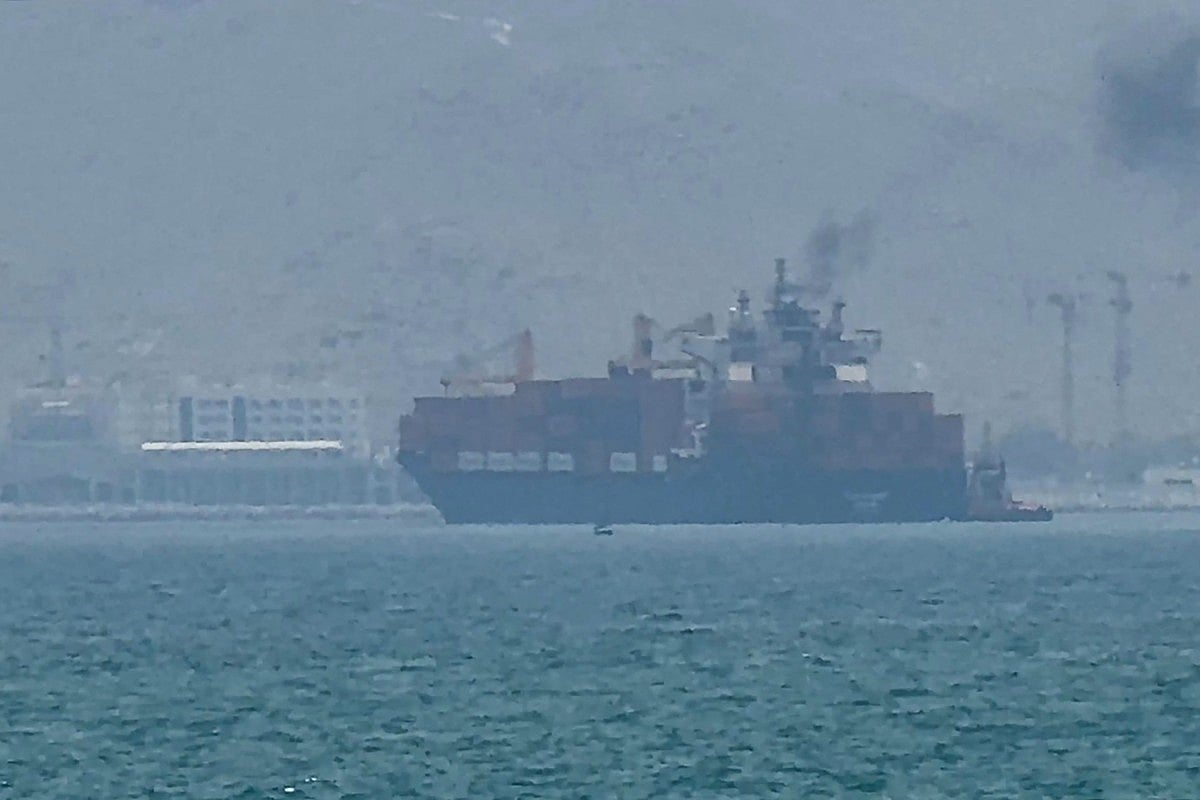
Dubai: Iran has made clear that its emerging maritime agreement with Oman will not, by itself, reopen the Strait of Hormuz to normal commercial shipping, saying the United States must first meet a series of political and economic conditions before free navigation can resume, according to news reports.
The clarification by Iranian Deputy Foreign Minister Kazem Gharibabadi comes a day after Tehran announced that it had agreed with Oman on the geographical route vessels would follow through the strategic waterway, raising hopes that one of the world’s most important energy corridors could soon reopen.
But in an interview with the state-run Islamic Republic News Agency (IRNA), Gharibabadi stressed that the Iran-Oman arrangement was only a framework for managing vessel movements and did not amount to a decision to restore unrestricted shipping.
Instead, he said Tehran wants Washington to take several steps that it says are necessary to rebuild trust after the collapse of the June memorandum of understanding between the two countries.
Iran’s demands include lifting the naval blockade on Iranian ports, addressing sanctions reimposed after the truce broke down — particularly those targeting its oil sector — resuming negotiations over frozen Iranian assets, and addressing what Tehran described as the US failure to ensure stability in Lebanon under commitments made in the June agreement.
Entirely new model
Gharibabadi also rejected suggestions that the Iran-Oman arrangement merely implements Article 5 of the June memorandum, under which Iran had agreed to use its “best efforts” to facilitate safe commercial passage through the strait for 60 days.
“No,” he said. “Article 5 only established guiding principles, not a final operational plan.”
He described the Iran-Oman understanding as “an entirely new model reflecting today’s security environment rather than a continuation of the previous 60-year arrangement.”
Under the proposed system, a substantial share of commercial shipping would transit through Iranian territorial waters, while the remainder would pass through Omani waters, reflecting what Tehran called a strategy of exercising “effective sovereignty” over the strait.
Although Gharibabadi insisted Iran did not intend to routinely close the waterway during peacetime, the comments reinforce Tehran’s view that control over Hormuz has become a strategic issue alongside its long-standing insistence on retaining nuclear enrichment.
Meanwhile, leading global shipping organisations have urged the United Nations and the International Maritime Organization (IMO) to oppose any attempt to impose tolls or service fees on vessels using the strait.
In a joint open letter signed by eight maritime associations, the groups warned that introducing transit charges would create a dangerous precedent for international shipping, increase transport costs, push up energy prices and inflation, and ultimately affect consumers worldwide.
Iran has said it plans to levy “fees” for maritime services provided jointly with Oman once the strait reopens — a proposal that has drawn opposition from Washington and several Gulf states, which argue that international waterways should remain free from unilateral state control. US Secretary of State Marco Rubio has repeatedly said any attempt by a state to control international waters would violate international law.

Sign up for the Daily Briefing
Get the latest news and updates straight to your inbox
Network Links
GN StoreDownload our app
© Al Nisr Publishing LLC 2026. All rights reserved.