235 artefacts from Napoleon’s sunken fleet in Alexandria go on display in Cairo
Exhibition showcases gold coins, weapons and navigation tools recovered from shipwrecks
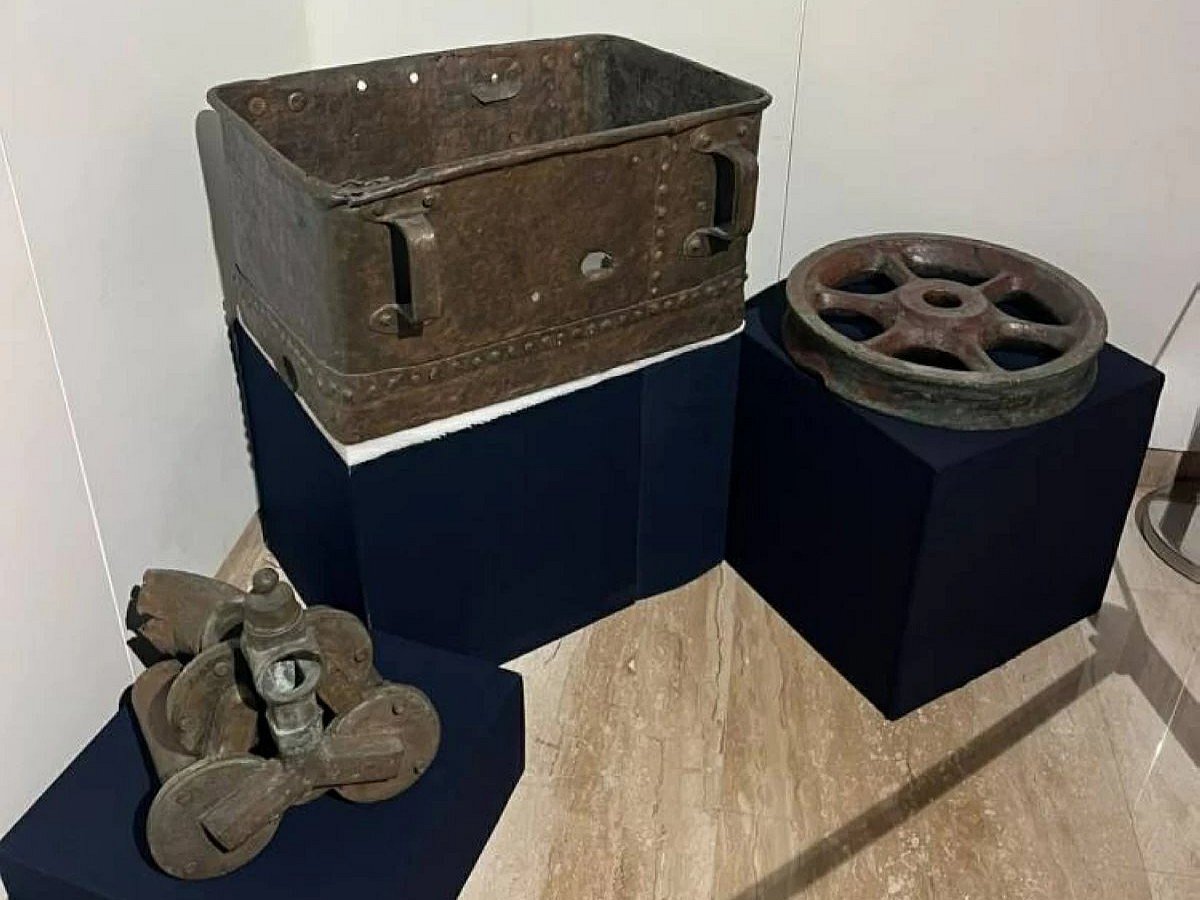
Dubai: Egypt’s National Museum of Egyptian Civilisation in Cairo has opened an archaeological exhibition featuring 235 artefacts from Napoleon Bonaparte’s fleet, which sank off the coast of Alexandria during the French campaign in Egypt.
The exhibition, which marks Underwater Cultural Heritage Day and the 30th anniversary of the establishment of Egypt’s General Department of Underwater Antiquities, offers visitors a glimpse into naval and military life during the French expedition.
Get updated faster and for FREE: Download the Gulf News app now - simply click here.
The 235 artefacts, being displayed for the first time, include gold coins, navigational instruments, writing tools, cooking utensils used by members of the French fleet and weapons recovered from shipwreck sites.
The collection sheds light on the daily lives of sailors and soldiers, as well as the equipment and supplies used aboard French warships during the campaign led by Napoleon Bonaparte.
The exhibits have been assembled from the collections of the General Department of Underwater Antiquities and several museums, including the Maritime Museum, the Alexandria National Museum and the National Museum of Egyptian Civilisation.
Through the recovered objects, the exhibition highlights the historical significance of the French fleet that sank in the waters off Alexandria, while offering insights into maritime activities and military operations during that period.
The exhibition also draws attention to Egypt’s underwater archaeological heritage and the work of institutions responsible for preserving artefacts recovered from submerged historical sites.
Napoleon Bonaparte launched his military expedition to Egypt in 1798, seeking to expand French influence in the eastern Mediterranean and undermine British trade routes to India.
The campaign suffered a major setback when the British fleet, commanded by Admiral Horatio Nelson, defeated the French navy at the Battle of the Nile, also known as the Battle of Aboukir Bay, on August 1–2, 1798.
Most of the French warships were destroyed or captured, leaving Napoleon’s army isolated from France. The battle marked a turning point in the campaign and established British naval dominance in the Mediterranean.
The submerged wrecks in Aboukir Bay have since become important sites for underwater archaeological research.
Network Links
GN StoreDownload our app
© Al Nisr Publishing LLC 2026. All rights reserved.