Oman sets EV charging fees from October, tariffs to reach 120 baisa per kWh
New rates will vary according to charging capacity, with three tariff categories
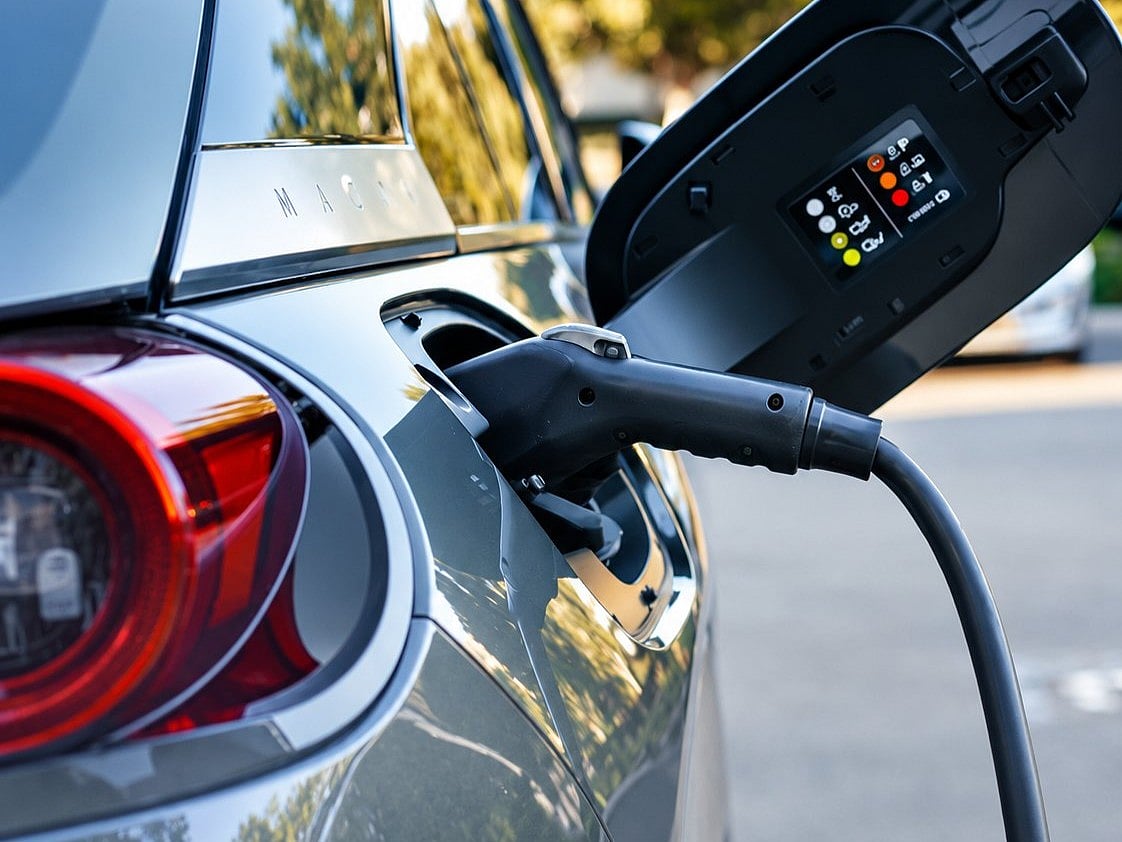
Dubai: Dubai: Oman will introduce regulated fees for electric vehicle charging from October 1, with motorists paying between 50 and 120 baisa per kilowatt-hour depending on the capacity and speed of the charger.
The Ministry of Transport, Communications and Information Technology announced the new tariff structure in coordination with the Authority for Public Services Regulation and Oman Net Zero Centre as part of efforts to regulate the country’s growing EV charging market.
Get updated faster and for FREE: Download the Gulf News app now - simply click here.
Under the approved rates, charging stations with a capacity of up to 90 kilowatts will charge 50 baisa per kWh. The tariff will rise to 90 baisa per kWh for chargers with capacities ranging from 91kW to 180kW, while chargers with a capacity of 181kW or more will charge 120 baisa per kWh.
The new pricing framework is intended to improve transparency for EV owners and users while supporting the expansion and long-term sustainability of Oman’s charging infrastructure.
Authorities said the tariffs were set following a comprehensive study of the economic and operational aspects of EV charging stations.
The study sought to strike a balance between keeping charging affordable for motorists and ensuring that operating charging stations remains commercially viable and attractive to investors.
The move forms part of Oman’s broader efforts to develop a regulated electric mobility ecosystem as the country expands infrastructure for electric vehicles and pursues its long-term net-zero ambitions.
Network Links
GN StoreDownload our app
© Al Nisr Publishing LLC 2026. All rights reserved.