1973 oil crisis pushed consumers to fuel-efficient Japanese cars — 2026 price spike could push them to Chinese EVs: Report
Electric vehicles gain traction as ongoing tanker squeeze echoes 1973 oil embargo
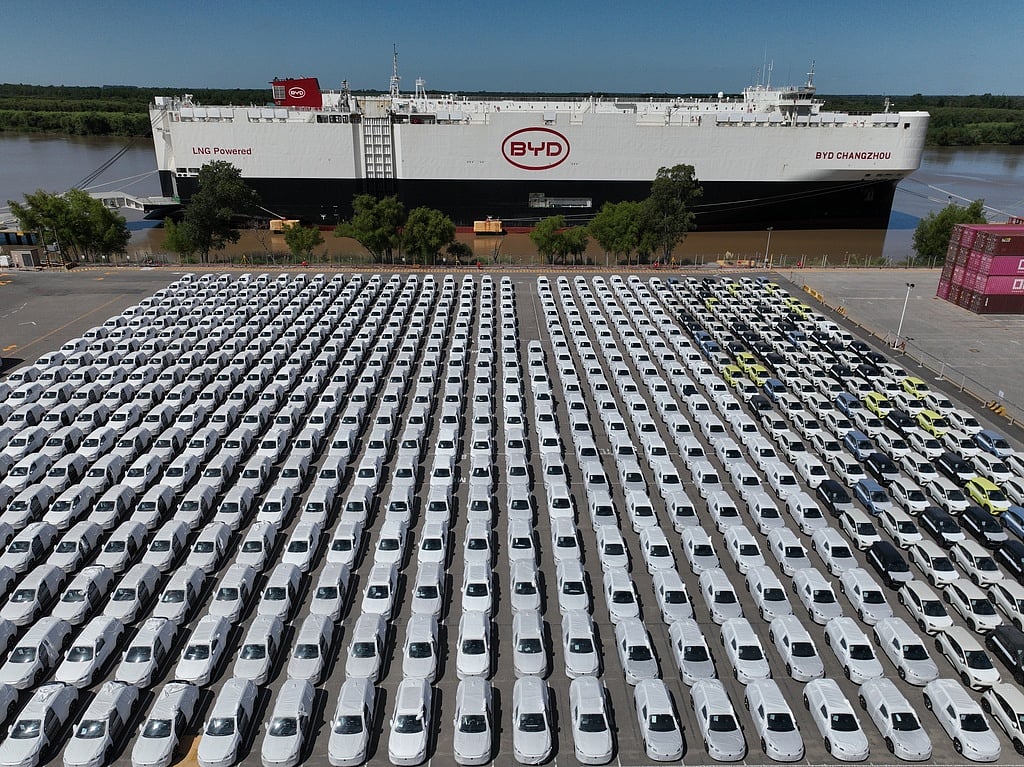
During the 1973–74 oil crisis, gas shortages gutted US gas-guzzlers.
Almost overnight, Japanese compacts with superior mileage captured market share
The same scene could pan out this time.
The on-going Gulf War, which had already driven petrol prices through the roof, could change driving culture.
Since late February 28, 2026, US-Israel strikes on Iran — in particular the strikes on Kharg Island export hub and Pars oil facility — had been met with Iranian retaliation, i.e. blocking the Strait of Hormuz (20% of global oil) and targeting oil facilities in its Gulf neighbours.
The result: the worst supply disruption in recent memory echoing 1973’s pain at the pump.
On Thursday (March 19) Brent crude skyrocketed to $112 per barrel, inching ever closer to its highest intra-day peak of $147.50.
High time to switch to EVs?
With no end in sight to the war, the world’s fuel supply remains on edge —and when fuel gets shaky, everything from food to fertilisers starts getting pricier.
But here’s the twist: while oil markets wobble, Chinese EVs may be revving up for a global surge.
Industry watchers say the 2026 crisis could turbocharge their appeal —cheap, tech-loaded, needing zero fuel.
And with Western tariffs losing bite while countries like Australia, Canada, Europe and the rest of Asia start opening the gates, these EVs might just ride the chaos straight into the fast lane.
As pain at the pump bites consumers every passing day, it will only accelerate the shift to EVs, just as the 1973 OPEC embargo reshaped autos, the South China Morning Post reported.
Parallels to 1973
Parallels to 1973 are striking.
Then, the Arab oil embargo quadrupled prices, sparking shortages and long gas lines. Americans abandoned Detroit’s V8 guzzlers for fuel-sipping Japanese imports (Honda Civic, Toyota Corolla, Nissan-Datsun).
Japanese share surged from ~9% in 1976 to 21% by 1980; imports captured 28% of the US market by decade’s end-1980s.
Big Three sales cratered — GM down 34%, Ford 47% — forcing compact pivots too late.
The crisis prioritised mileage over muscle. Advances in battery tech, too, help boost adoption.
In 2026, this dynamic continues, or accelerates — with EVs replacing compacts and China as the disruptor.
As western ICE fleets face volatile fuel costs, Chinese EVs (BYD, NIO, Zeekr, Geely, Chery, and others) offer zero-fuel operation, lower lifetime costs, advanced tech, and aggressive pricing.
If oil is sustained above $100+, this will make EVs’ electricity savings compelling, especially as drivers assume stable power bills amid the switchover to renewable power generation like solar, wind and hydro, AP reported.
Momentum grows
Clear trends confirm the momentum.
Edmunds data shows electrified-vehicle research jumping to 22.4% of shopping activity (from 20.7%) in early March — mirroring 2022 spikes.
CarGurus and analysts note hybrid/EV interest rising with every prolonged pump surge; hybrids absorb the first wave, full EVs follow after 3-6 months as ownership math solidifies.
China already sells >50% new cars as electric vehicles and plug-in hybrids (EV/PHEVs), slashing its oil demand (posting a second-straight annual drop) and avoiding extreme measures others face.
So far, industry data shows that global EVs displaced 1.7 million barrels/day in 2025 — 70% of Iran’s exports — saving importers ~$600 billion yearly potential bills.
'Peak oil' coming soon?
Amid the debate on pure EVs vs hybrids, the core message resonates — energy shocks will reshape auto markets.
SCMP forecasts the Hormuz crisis could hasten the International Energy Agency's (IEA) 2029 oil demand "peak".
Amid a prolonged Gulf War, fleets would electrify faster for energy security, as Chinese EV exports boom into tariff-softening markets.
Like Japan in the ’70s, energy-efficient alternatives are poised for big wins — potentially flipping fossil-fuel dominance in transport while cushioning economies from inflated prices.
With oil volatility likely to persist, the mainland's "new energy" carmakers stand ready to fill the void for efficient alternatives, potentially mirroring Japan’s 1970s breakthrough in real time.
Sign up for the Daily Briefing
Get the latest news and updates straight to your inbox
Network Links
GN StoreDownload our app
© Al Nisr Publishing LLC 2026. All rights reserved.