Good Friday and Easter explained: The meaning behind Christianity’s holiest days
From sacrifice to hope, these days mark the foundation of Christian faith
Dubai: Good Friday and Easter are important days in the Christian calendar, observed by millions around the world.
They mark two connected events, the crucifixion of Jesus Christ on Good Friday, and his resurrection three days later on Easter Sunday.
This year, Good Friday falls on April 3 for Catholics and Protestants, and April 10 for Orthodox Christians.
Get updated faster and for FREE: Download the Gulf News app now - simply click here.
Why is it called ‘good’ Friday
For many non-Christians, the name may seem unusual. The day commemorates suffering and death so why is it “good”?
In Christian belief, the day is considered “good” because it represents the ultimate act of sacrifice and love.
Jesus’ death has been seen not as an end, but as a turning point that leads to hope, forgiveness, and new life through his resurrection on Easter Sunday.
How Good Friday is observed
Church services on Good Friday are quieter and more reflective than usual. It often begins around 3pm, which is traditionally believed to be the hour of Jesus’ death. Services include readings, prayers, and moments of silence.
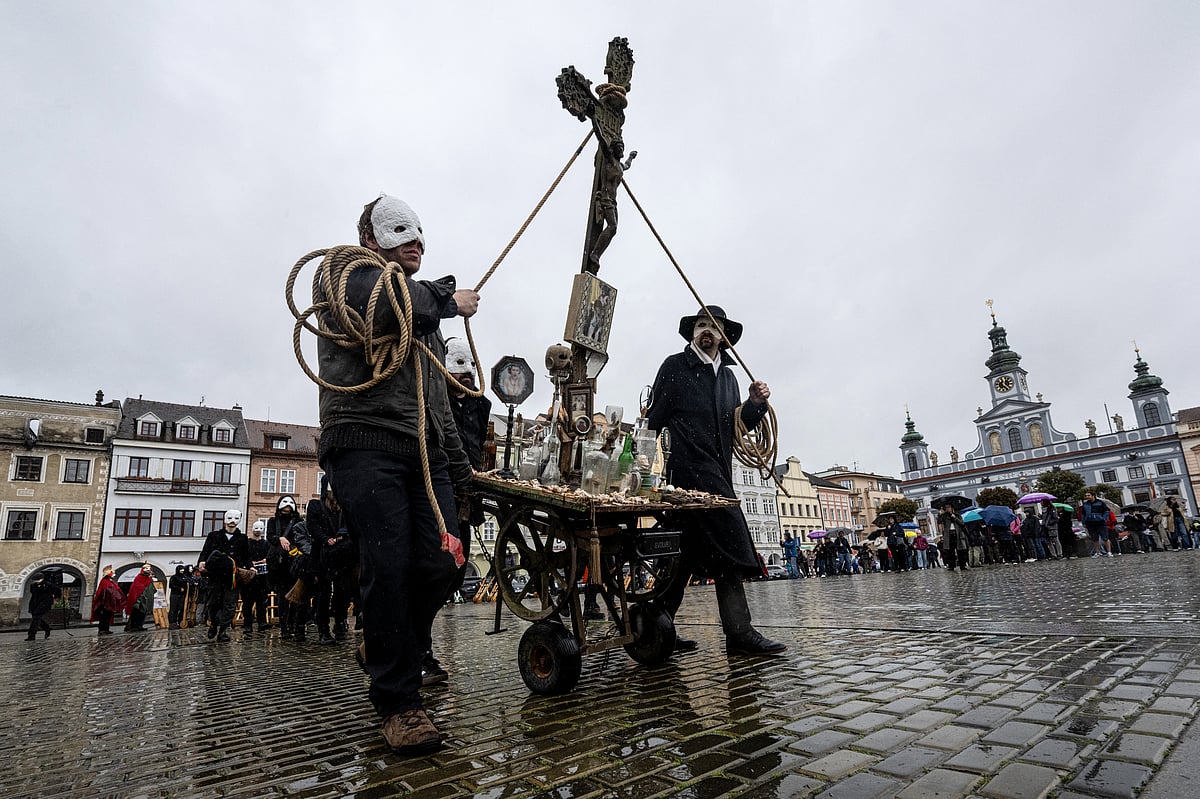
Traditions vary around the world. In some countries, large public processions take place, featuring life-sized statues and re-enactments of events leading up to the crucifixion.
In others, worshippers take part in acts of penance or pilgrimages. Moreover, it is a day of fasting, prayer, and reflection.
What Easter represents
Meanwhile, Easter Sunday marks the resurrection of Jesus. Christians believe that three days after his death, Jesus has risen from the dead, symbolising victory over death and the promise of eternal life.
Therefore, Easter has been regarded as a time of joy, renewal, and celebration. Its meaning has been deeply connected to the events remembered on Good Friday.
Observances in the UAE
In the UAE, where a diverse Christian community lives and works, Good Friday has been typically marked by church services across the country.
This year, however, celebrations are being held online as a precaution due to the current geopolitical situation in the region.
Churches have adapted by offering virtual services, allowing worshippers to observe the day safely while staying connected to their faith.
Why it resonates beyond Christianity
While rooted in Christianity, the themes of Good Friday and Easter can feel universal. They highlight sacrifice for others, enduring hardship, and the belief that difficult moments can lead to something better.
As these days are observed globally, their message remains the same in any circumstances that even in the darkest moments, there is the promise of light ahead.
Network Links
GN StoreDownload our app
© Al Nisr Publishing LLC 2026. All rights reserved.