First malaria treatment for newborns, infants clears prequalification stage
WHO prequalifies artemether-lumefantrine for babies weighing two to five kilograms
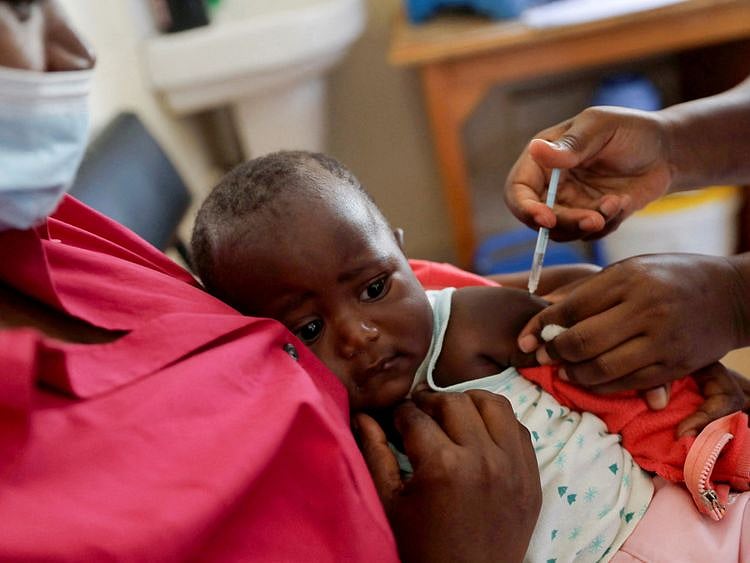
Dubai: The World Health Organisation (WHO) has reached a milestone in the global fight against malaria, announcing the prequalification of the first treatment specifically designed for newborns and young infants.
The medicine, a specially developed formulation of artemether-lumefantrine, has been intended for babies weighing between two and five kilograms and the first antimalarial treatment created specifically for this highly vulnerable age group.
WHO’s prequalification means that the treatment meets international standards of quality, safety and efficacy, enabling governments and health agencies to “expand access to quality-assured treatment.”
Get updated faster and for FREE: Download the Gulf News app now - simply click here.
Long-standing treatment gap
Until now, infants diagnosed with malaria have been treated using formulations created for older children. Medical experts have warned that this practice can lead to risks of incorrect dosing, increased side effects, and potential toxicity.
The new formulation has been expected to reduce these risks and provide a more precise treatment option for what the organisation has described as “one of the most underserved patient groups” in malaria-endemic regions.
According to WHO, around 30 million babies are born each year in areas of Africa where malaria is widespread, highlighting the scale of need for age-appropriate treatment solutions.
‘The story is changing’
For his part, Dr. Tedros Ghebreyesus, director-general of WHO, has welcomed the development and mentioned that global efforts against malaria are entering a new phase.
“For centuries, malaria has stolen children from their parents, and health, wealth, and hope from communities. But today, the story is changing. New vaccines, diagnostic tests, next-generation mosquito nets and effective medicines, including those adapted for the youngest, are helping to turn the tide,” said Ghebreyesus in a statement.
In last year’s World Malaria Report, it has been revealed that there were an estimated 282 million malaria cases and 610,000 deaths globally in 2024, an increase compared to 2023.
Moreover, it has shown that 47 countries have been certified malaria-free, while 37 countries reported fewer than 1,000 cases in 2024. However, this has also signalled a slowdown in global progress.
Substantial progress
Despite challenges such as drug and insecticide resistance, diagnostic failure, and reduced international development assistance, malaria control efforts have made “substantial progress.”
Since 2000, an estimated 2.3 billion malaria infections have been prevented and 14 million lives saved.
Additionally, WHO has bared that 25 countries are currently rolling out malaria vaccines, protecting millions of children, while next-generation mosquito nets now account for 84 percent of all newly distributed nets.
“Ending malaria in our lifetime is no longer a dream, it is a real possibility, but only with sustained political and financial commitment. Now we can. Now we must,” stated Ghebreyesus.
Network Links
GN StoreDownload our app
© Al Nisr Publishing LLC 2026. All rights reserved.