COVID-19: Europe unprepared as second virus wave hits
Coronavirus strikes well before flu season has even started
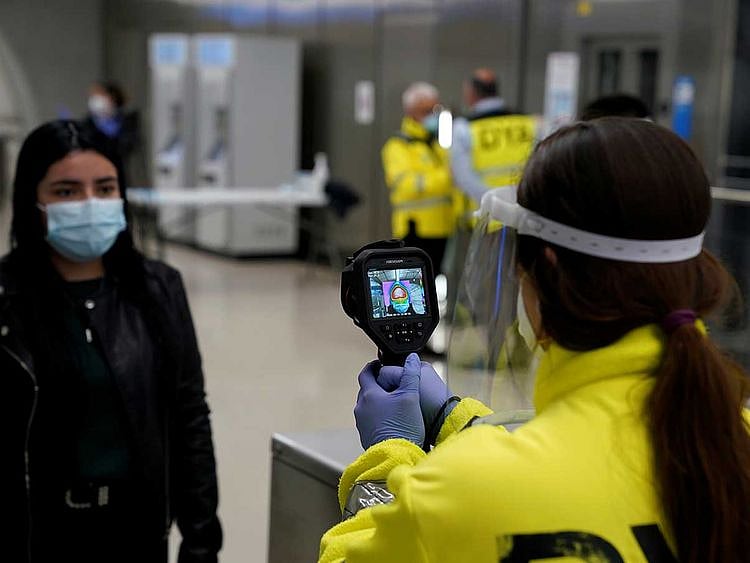
Rome: Europe’s second wave of coronavirus infections has struck well before flu season even started, with intensive care wards filling up again and bars shutting down. Making matters worse, authorities say, is a widespread case of “COVID-fatigue.”
Record high daily infections in several eastern European countries and sharp rebounds in the hard-hit west have made clear that Europe never really crushed the COVID-19 curve as hoped, after springtime lockdowns.
Spain this week declared a state of emergency for Madrid amid increasing tensions between local and national authorities over virus containment measures. Germany offered up soldiers to help with contact tracing in newly flaring hotspots. Italy mandated masks outdoors and warned that for the first time since the country became the European epicenter of the pandemic, the health system was facing “significant critical issues” as hospitals fill up.
Naive victory
The Czech Republic’s “Farewell Covid” party in June, when thousands of Prague residents dined outdoors at a 500-meter (yard) long table across the Charles Bridge to celebrate their victory over the virus, seems painfully naive now that the country has the highest per-capita infection rate on the continent, at 398 per 100,000 residents.
“I have to say clearly that the situation is not good,” the Czech interior minister, Jan Hamacek, acknowledged this week. Epidemiologists and residents alike are pointing the finger at governments for having failed to seize on the summertime lull in cases to prepare adequately for the expected autumn onslaught, with testing and ICU staffing still critically short. In Rome this week, people waited in line for 8-10 hours to get tested, while front-line medics from Kiev to Paris found themselves once again pulling long, short-staffed shifts in overcrowded wards. “When the state of alarm was abandoned, it was time to invest in prevention, but that hasn’t been done,” lamented Margarita del Val, viral immunology expert with the Severo Ochoa Molecular Biology Center, part of Spain’s top research body, CSIC. “We are in the fall wave without having resolved the summer wave,” she told an online forum this week.
New infections
Good news
Sign up for the Daily Briefing
Get the latest news and updates straight to your inbox
Network Links
GN StoreDownload our app
© Al Nisr Publishing LLC 2026. All rights reserved.