COP31 climate talks end without major deal: Is global climate action at risk?
COP31 ends in deadlock over fossil fuels and climate finance disagreements
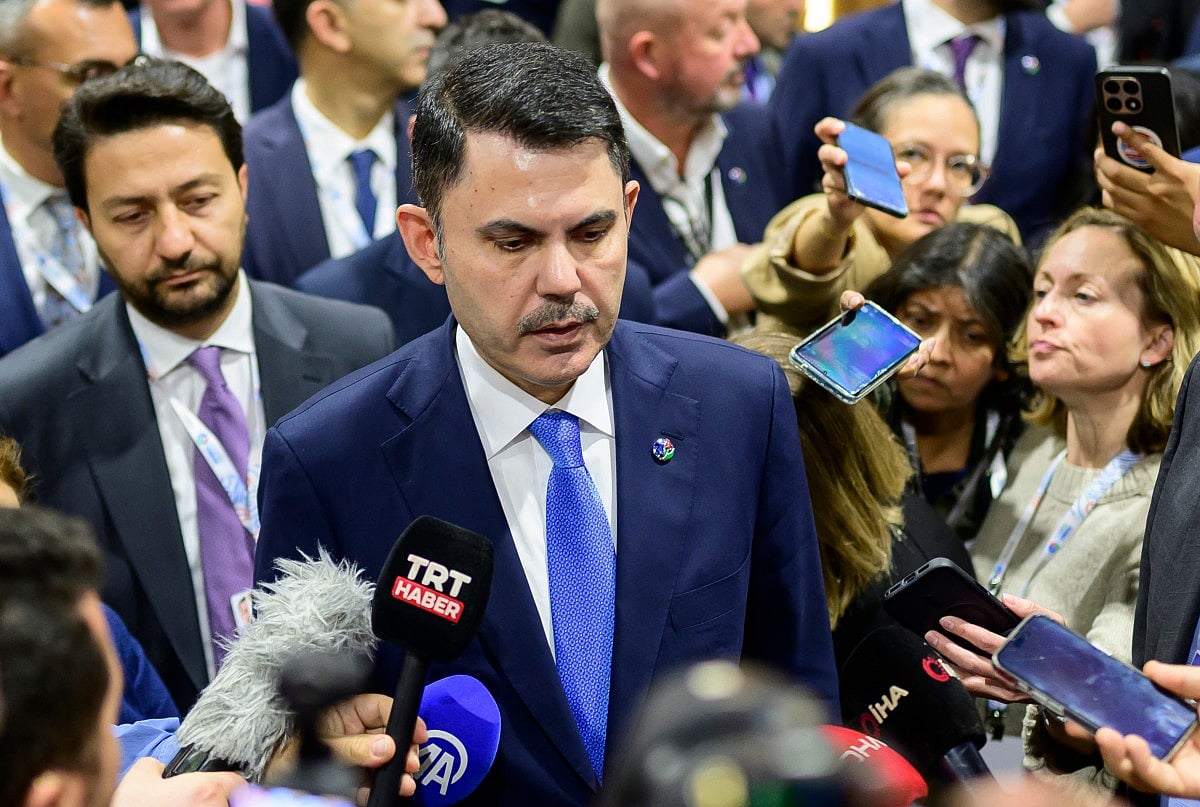
The United Nations COP31 climate summit in Antalya, Turkey, ended without an overarching agreement after nearly 200 countries failed to resolve disagreements over fossil fuels and financial support for vulnerable nations.
The negotiations, which ran more than 50 hours beyond their scheduled finish on Friday, broke down on Sunday, making COP31 the longest-running UN climate summit on record.
Get updated faster and for FREE: Download the Gulf News app now - simply click here.
The main disagreement centred on whether the final agreement should explicitly call for a transition away from coal, oil and natural gas – the main drivers of human-caused global warming.
The European Union, the UK and several climate-vulnerable countries rejected the final draft because it did not mention fossil fuels. Oil-producing nations, including Saudi Arabia, opposed including such language.
The failure comes as heatwaves, floods, storms and droughts intensify in different parts of the world, increasing pressure on governments to turn climate pledges into concrete action.
Here is why the breakdown matters, what countries failed to agree on and what happens next.
Why did COP31 fail to reach a deal?
The biggest sticking point was the omission of fossil fuels from the proposed final agreement, known as the cover decision.
The document was intended to set the political direction for countries' climate action. However, the final draft did not include an explicit commitment to transition away from fossil fuels.
The European Union and several other countries said they could not support an agreement that failed to address the main source of global warming.
Ireland's climate minister Darragh O'Brien, speaking on behalf of the EU, said it was unacceptable for a climate agreement to make no reference to fossil fuels.
Oil-producing countries, including Saudi Arabia and Russia, opposed including a commitment to phase out fossil fuels. Saudi Arabia instead supported greater emphasis on carbon capture and storage technology.
The disagreement proved impossible to resolve, and the summit ended without consensus on the main agreement.
Why does the fossil-fuel dispute matter?
Coal, oil and natural gas are the largest sources of human-caused greenhouse gas emissions. Burning these fuels releases carbon dioxide and other gases that trap heat in the atmosphere.
Scientists say cutting emissions from fossil fuels is essential to limiting global warming and reducing the risks of extreme weather.
The disagreement at COP31 matters because countries failed to agree on a stronger collective direction for reducing dependence on these fuels.
The final draft also faced criticism for supporting carbon capture and storage, a technology that captures carbon dioxide from industrial sources before it enters the atmosphere.
Some countries and environmental groups argued that relying heavily on this technology could distract from the need to reduce fossil-fuel use.
The failure to agree on stronger language does not cancel previous commitments. The COP28 agreement reached in Dubai in 2023, which called for transitioning away from fossil fuels in energy systems, remains in place.
However, COP31 did not secure a new agreement to strengthen or accelerate that commitment.
Climate finance: Why poorer countries are concerned
Money was another major obstacle during the negotiations.
Developing countries need financial support to prepare for climate impacts such as rising temperatures, droughts, floods and coastal damage. Many have argued that wealthier nations, which have contributed more to historical emissions, should provide greater assistance.
The discussions at COP31 failed to settle outstanding questions over funding, including how much financial support poorer countries would receive to adapt to climate change.
This is particularly important for countries that face severe climate risks but have limited resources to protect communities, infrastructure and livelihoods.
The proposed agreement also failed to resolve differences over the scale and delivery of adaptation finance.
These unresolved issues are expected to return to negotiations at the next climate summit.
What does the COP31 failure mean as extreme weather worsens?
The breakdown comes at a critical time for global climate action.
The United Nations has warned that the world is on course to exceed the Paris Agreement's goal of limiting long-term warming to 1.5 degrees Celsius above pre-industrial levels.
Scientists estimate that the world could face warming of between 2.7 and 3 degrees Celsius by the end of this century under current policies and pledges.
The consequences include:
More intense heatwaves: Higher temperatures increase the risk of dangerous heat exposure, particularly for older people, outdoor workers and vulnerable communities.
Heavier rainfall and flooding: A warmer atmosphere can hold more moisture, increasing the potential for intense rainfall and flooding in many regions.
Drought and water stress: Changing rainfall patterns and higher temperatures can worsen water shortages and put pressure on agriculture.
Greater pressure on food systems: Extreme heat, droughts and floods can damage crops, disrupt supply chains and affect food security.
Rising costs: Governments face growing expenses for disaster response, infrastructure repairs and climate adaptation.
UN Secretary-General Antonio Guterres expressed disappointment over the failure to reach an overarching agreement.
“Temperatures keep shattering records. Climate extremes keep intensifying. Emissions remain far too high. And every delay makes our task harder and more costly,” he said.
Was anything agreed at COP31?
Although countries failed to adopt the main political agreement, the summit was not without progress.
Several smaller initiatives and work programmes moved forward during the negotiations.
Key developments included:
Global electrification: More than 80 countries backed Turkey's goal of increasing electricity's share of global final energy consumption to 35 per cent by 2035.
Adaptation goals: Negotiators made progress on global adaptation work, aimed at helping countries prepare for climate impacts.
Just transition: Countries advanced discussions on supporting workers and communities as economies move towards cleaner energy.
Emissions action: Progress was reported on a programme to help countries implement emissions-cutting commitments fairly.
These initiatives can continue despite the failure to reach an overarching agreement.
What happens next after COP31?
The unresolved issues will move into the next round of UN climate negotiations, with COP32 scheduled to take place in Ethiopia in November 2027.
Countries will face pressure to return with clearer proposals on fossil fuels, climate finance and adaptation.
The key issues expected to remain on the agenda include:
Transition away from fossil fuels: Countries will need to revisit how to turn the existing commitment into practical action and national plans.
Climate finance: Developing nations will continue pushing for clearer funding commitments to help them adapt to rising temperatures and extreme weather.
Carbon emissions: Governments will face pressure to strengthen emissions-reduction plans and deliver on existing climate pledges.
Support for vulnerable communities: Negotiations will continue on protecting workers, communities and economies affected by climate change and the transition to cleaner energy.
The failure at COP31 has also renewed questions about the effectiveness of the UN climate process, which relies on consensus among nearly 200 parties.
UN climate chief Simon Stiell acknowledged that the process had fallen short and said he would seek advice on possible reforms. However, he also stressed that the process had helped deliver major agreements in the past, including the Paris Agreement.
Why the next climate summit matters
COP31 has left countries without a new overarching agreement at a time when the need for faster climate action is growing.
The existing commitments remain, and some initiatives made progress. But the disagreements over fossil fuels and climate finance show how difficult it remains for governments to agree on the pace and cost of the transition.
The focus now shifts to COP32 in Ethiopia, where countries will face renewed pressure to turn existing promises into action. For communities already experiencing extreme weather, the cost of further delays could be significant.
Network Links
GN StoreDownload our app
© Al Nisr Publishing LLC 2026. All rights reserved.