UAE, Saudi Arabia step up support for Philippines’ oil security
The Gulf oil producers have offered to fund storage facilities using their own resources
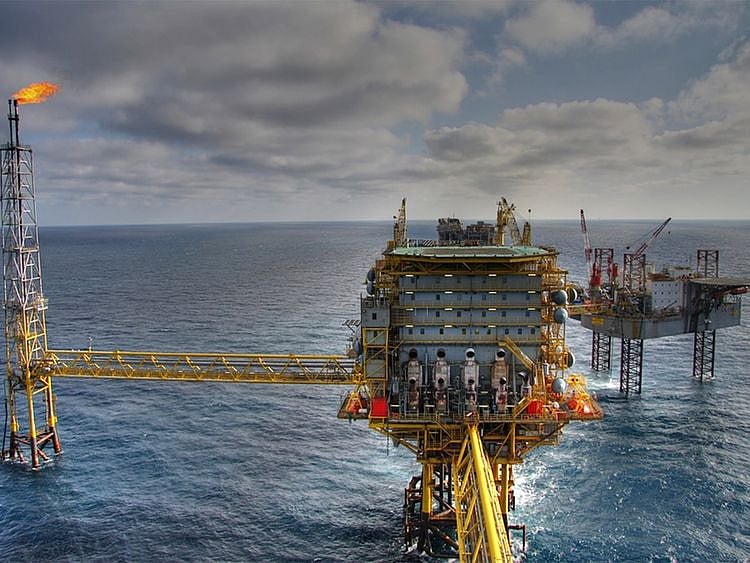
Dubai: The UAE and Saudi Arabia have offered to build oil storage facilities in the Philippines using their own funds, in a move that could strengthen Manila’s ability to respond to fuel supply disruptions.
According to a report from the Philippine News Agency, the offers have been disclosed during a hearing of the Senate committee on energy, where Department of Energy (DOE) oil industry management bureau director Rino Abad confirmed Saudi Arabia’s interest in establishing an oil storage hub.
“Saudi Arabia will shoulder all the costs,” Abad told committee chairman senator Erwin Tulfo.
Tulfo has noted that the UAE made a similar offer. Under the proposal, the facility would remain UAE-owned but could provide the Philippines with an accessible source of petroleum products during emergencies.
Get updated faster and for FREE: Download the Gulf News app now - simply click here.
Priority access during supply crises
While the proposed foreign-owned facilities would normally operate commercially, Philippine officials want an arrangement that would give the country priority access to fuel during a supply crisis.
“Our concern, in essence, is for us to be prioritised, that we have a reserve right when the time comes that there is a crisis,” explained Abad.
The proposed arrangement would give the Philippines an additional source of fuel if international supply disruptions affect the country.
Saudi Arabia proposes 50m-barrel capacity
The DOE has already submitted a concept note requested by Saudi Arabia for its proposed storage hub.
The facility could have a target capacity of 50 million barrels, although its timeline and remaining documentary requirements have yet to be finalised.
Abad has bared that the DOE’s newly created Philippine strategic petroleum reserve team would continue discussions with Saudi Arabia to determine the next steps.
The UAE will be the next country formally approached by the Philippine government.
Gulf producers key to Philippines’ oil supply
Moreover, Abad has highlighted that the UAE and Saudi Arabia have historically been among the Philippines’ petroleum suppliers.
He has mentioned that both countries have export pipelines that provide routes away from the Strait of Hormuz.
The alternative routes have been significant for energy security because disruptions affecting major shipping corridors can create pressure on fuel supplies and prices. For Manila, establishing additional storage capacity could provide a buffer against such external shocks.
Philippines' own reserve
The foreign-backed proposals have been separate from a government-owned strategic petroleum reserve being developed by the Philippine National Oil Co. (PNOC) in Bataan.
PNOC deputy manager Antonio Buenviaje has pointed out that the facility is targeted to be ready by next year, with an initial capacity of one million barrels. The government has planned to eventually expand the facility to 15 million barrels.
At current consumption levels, however, the initial one-million-barrel reserve would cover only slightly more than two days of Philippine demand.
Abad has put the country’s oil consumption at approximately 450,000 to 460,000 barrels per day.
Faster action
Meanwhile, Tulfo has called on the DOE and PNOC to speed up the administrative requirements for the projects.
He has underscored that the offers from major oil-producing countries could help the Philippines build a stronger buffer against disruptions in global petroleum markets.
“We need adequate reserves. We need to build our capacity to withstand external shocks,” said Tulfo.
The proposed UAE and Saudi facilities, along with the Philippines’ own strategic reserve, could give the country additional capacity to maintain fuel availability when global supply conditions come under pressure.
Network Links
GN StoreDownload our app
© Al Nisr Publishing LLC 2026. All rights reserved.