Day 3: 'Stick to the evidence' — Senate judge slams both sides as Sara Duterte impeachment trial enters crucial stage
Senate judge warns both camps: no premature summations in Duterte trial
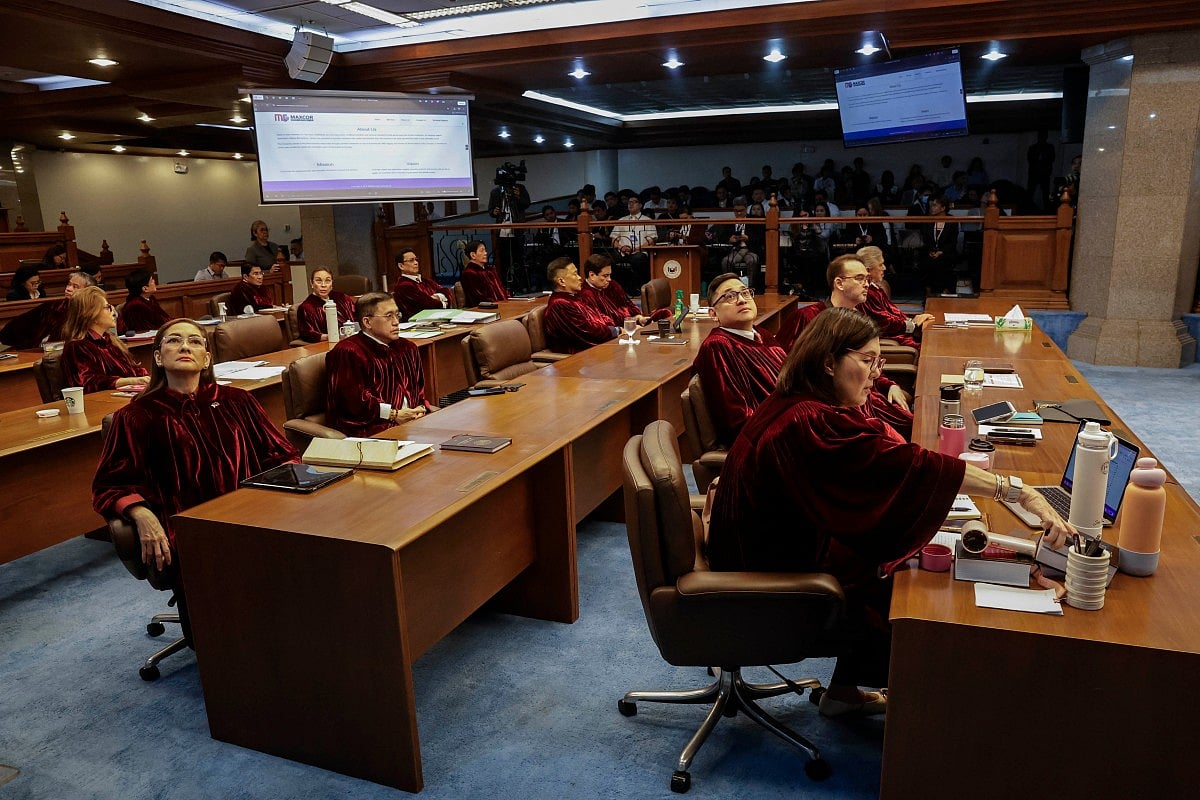
Manila: On Wednedsay (July 8, 2026), The third day of Vice President Sara Duterte's impeachment trial shifted from dramatic witness testimony to increasingly contentious legal sparring.
Senate presiding officer Francis "Chiz" Escudero admonished both prosecutors and defence lawyers to avoid turning courtroom arguments into premature closing statements.
Evidentiary stage
Escudero repeatedly reminded both camps that the proceedings remained in the evidentiary stage and warned against arguments aimed at persuading senator-judges before all evidence had been presented.
"This is not yet the time for concluding remarks," Escudero said as he directed lawyers to confine their arguments to pending objections and evidentiary issues.
The warning came after heated exchanges over testimony relating to allegations that Duterte publicly threatened President Ferdinand Marcos Jr., First Lady Liza Araneta-Marcos and former House Speaker Martin Romualdez.
Cross-examination dominates proceedings
Wednesday's proceedings centred largely on the defence's cross-examination of prosecution witnesses introduced during the previous day's session.
Defence lawyers sought to undermine the prosecution's evidence, arguing that video clips and documentary materials presented in court lacked proper "context" and did not establish criminal intent or impeachable conduct.
They maintained that the prosecution was relying on selective excerpts rather than the entirety of Duterte's public statements.
The defence also questioned investigative procedures used in gathering evidence and attempted to cast doubt on witness credibility, insisting that impeachment requires proof of "culpable violation of the Constitution" or other impeachable offences rather than political disagreement.
Prosecution defends its case
House prosecutors countered that the evidence presented thus far demonstrated a consistent pattern of conduct rather than isolated remarks.
They argued that Duterte's own public statements — including recorded comments allegedly threatening the president and other senior officials — constitute direct evidence requiring no interpretation beyond their plain meaning.
Prosecutors also maintained that documentary evidence would be supplemented by additional witnesses in the coming days.
The prosecution rejected defence suggestions that statements had been "taken out of context", arguing that the impeachment court should evaluate the cumulative weight of all evidence rather than individual clips in isolation.
Escudero's key rulings
Throughout the session, Escudero, acting as presiding judge, repeatedly exercised his authority to maintain courtroom discipline.
Among the day's notable rulings:
He cautioned both prosecution and defence against making arguments resembling final summations before the presentation of all evidence.
He directed lawyers to limit objections to legal issues directly relevant to witness testimony.
He reminded both parties that senator-judges — not counsel — would ultimately determine the weight and credibility of evidence after the evidentiary phase concludes.
While numerous objections were raised, the impeachment court largely allowed questioning to continue, signaling Escudero's preference for allowing evidence onto the record before determining its probative value.
What the impeachment case is about
The impeachment trial began Monday after the House of Representatives transmitted articles accusing Duterte of grave misconduct, misuse of confidential funds, unexplained wealth, bribery, corruption and publicly threatening the president and other officials.
Duterte has denied all allegations, describing the proceedings as politically motivated.
Trial to last several months
The trial is expected to run for several months.
Under the Constitution, at least 16 of the Senate's 24 members must vote to convict for Duterte to be removed from office and permanently barred from holding public office — a verdict that would likely end any bid for the presidency in 2028.
Day 3 highlights
The defence conducted an extensive cross-examination of prosecution witnesses.
Prosecutors defended the integrity and context of their documentary and video evidence.
Presiding Senator-Judge Escudero repeatedly warned both camps not to deliver premature closing arguments.
The impeachment court remained focused on evidentiary issues, with no major motions or dismissals granted.
The proceedings concluded with additional witnesses and documentary evidence expected in subsequent sessions.
Network Links
GN StoreDownload our app
© Al Nisr Publishing LLC 2026. All rights reserved.