In Japan, many people see Marine Day as a chance to get away.
Families go to the beach. Office workers take a real break. Trains are crowded with people hoping to escape the summer heat, even if just for a little while.
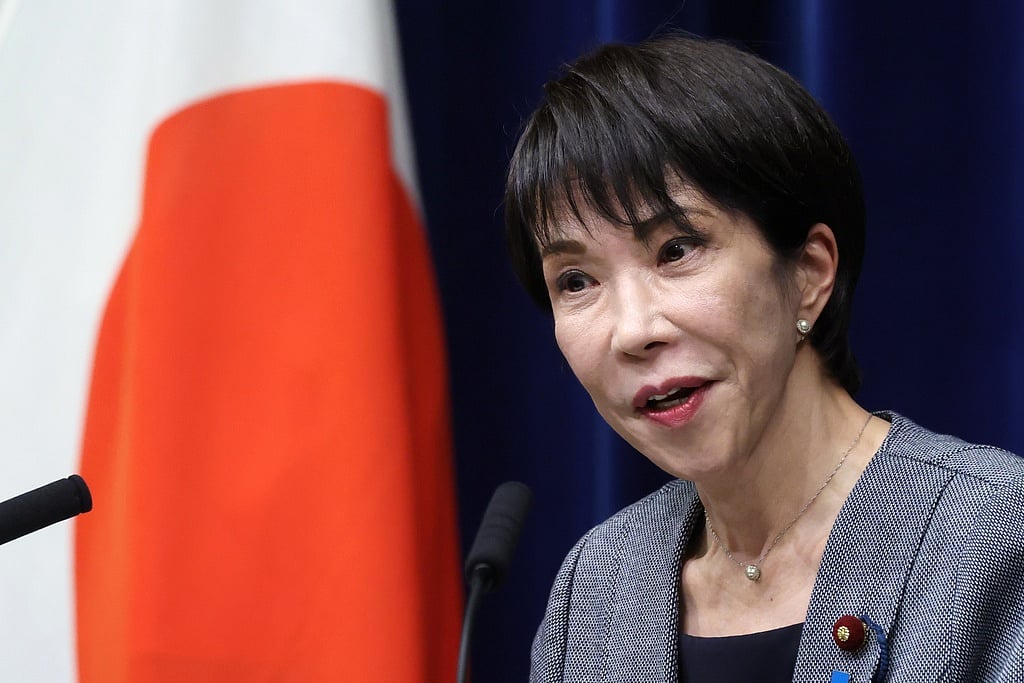
But Prime Minister Sanae Takaichi used the day to catch up on something different: sleep.
Get updated faster and for FREE: Download the Gulf News app now - simply click here.
"Finally, I managed five hours," she wrote on X. She explained that since becoming prime minister last October, she usually gets only zero to three hours of sleep each night. This rare, uninterrupted rest, she said, felt like "a blessing." She spent the rest of the holiday ironing, mending clothes, and getting ready to go back to work the next day.
She meant the post to show her dedication, but it touched a nerve instead.
Within hours, tens of millions had seen the post. Opposition lawmakers, sleep experts, and many regular Japanese people criticized her, questioning if a national leader should treat chronic lack of sleep as something to be proud of.
One opposition lawmaker warned that losing sleep for too long can hurt judgment, much like being drunk. They argued that a prime minister needs rest as much as determination to handle emergencies. Another pointed out that "resting is also a job" when leading a country.
The reaction points to a bigger issue than just one politician’s routine.
For decades, Japan has struggled with a culture of very long working hours. This problem is so deep that it led to the word karoshi, which means death from overwork. The term became widely known after workers died from heart attacks, strokes, or suicide caused by too many hours and constant stress at work.
Even after years of labor reforms, the problem is still there.
Government data released earlier this month showed that Japan hit a record high for the fourth year in a row in claims for work-related illnesses and deaths caused by overwork. In fiscal 2025, there were 1,310 approved cases, including 145 recognized karoshi deaths or suicides.
This background makes Takaichi’s comments stand out even more.
Since becoming Japan’s first female prime minister, she has openly taken on a demanding work style. Soon after starting the job, she said she would give up on work-life balance and just focus on working. Last year, she was also criticized after reports that staff were called to a meeting at about 3 a.m., adding to her image as a leader who sees commitment as working long hours.
Her approach also clashes with efforts by local governments to go in the opposite direction.
Tokyo now offers a four-day workweek for many government workers to help improve work-life balance, reduce burnout, and encourage more people to have children. Companies across Japan are also trying shorter hours, remote work, and required "go home" days to move away from the country’s long tradition of overtime.
Medical research shows that adults usually need seven to nine hours of sleep each night. Not getting enough sleep is linked to worse thinking, heart disease, depression, and poor decision-making. These facts came up again as Takaichi’s post spread on social media.
What started as a personal comment on a holiday has now turned into something much bigger.
The debate is no longer just about how much sleep Japan’s prime minister gets. It’s now part of the country’s ongoing struggle to decide what real dedication at work means, and whether working longer hours is still seen as better.
Network Links
GN StoreDownload our app
© Al Nisr Publishing LLC 2026. All rights reserved.