Nipah is a zoonotic disease — an infectious disease that can be transmitted from animals to humans.
What is Nipah virus? Symptoms and risks explained as India on high alert
Health authorities warn of Nipah virus outbreak in India; no vaccine, 40–75% fatality rate
Last updated:
3 MIN READ
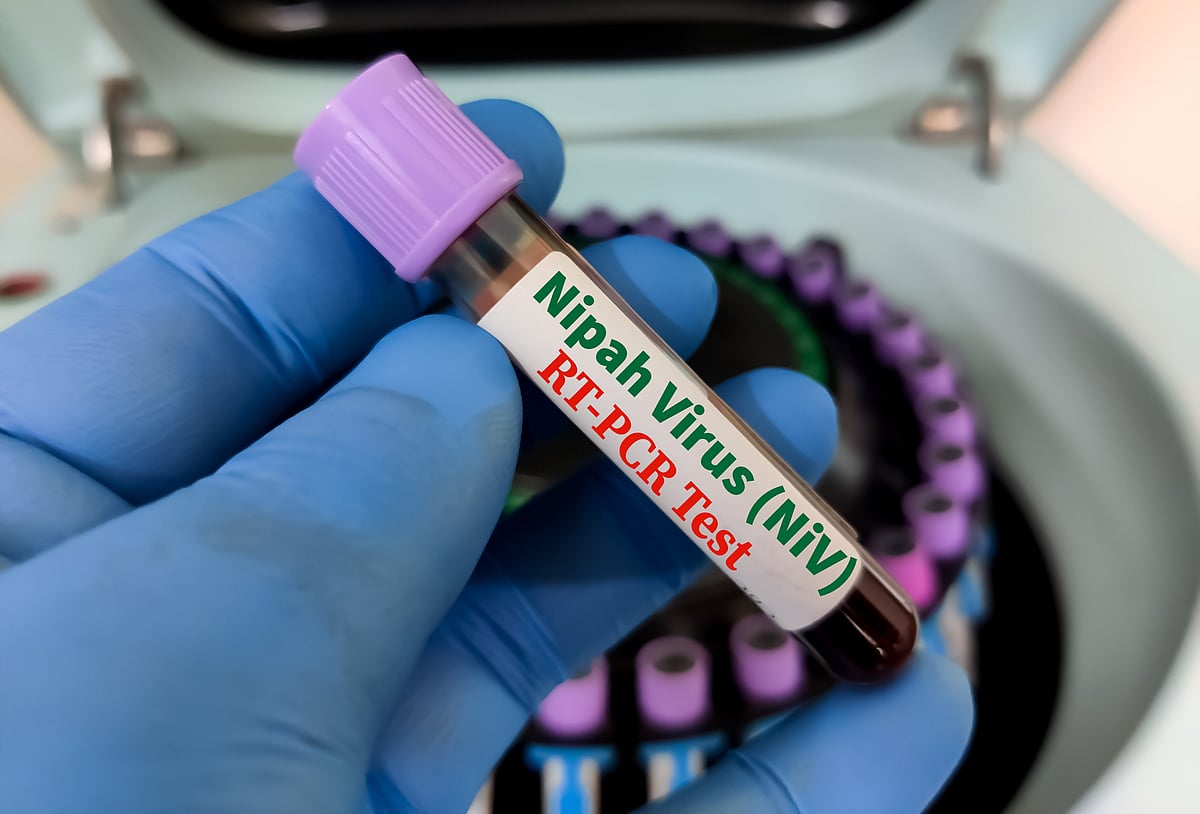
According to India's high ranking health officials mentioned that both states Kerala and West Bengal are endemic to the virus.
Shutterstock
India is moving swiftly to contain a Nipah virus outbreak in West Bengal, where five cases have been confirmed, including infections among healthcare workers.
Nearly 100 contacts have been placed under home quarantine, while patients are receiving treatment at hospitals in and around Kolkata. One patient remains in critical condition.
Senior Indian health officials have said that both Kerala and West Bengal are endemic to the Nipah virus. Authorities are now investigating a further 100 to 200 people who may have been exposed.
Officials also highlighted the limited global supply of monoclonal antibodies used in treatment, adding that India has made securing adequate stocks a priority and expects availability to improve in the coming weeks.
International response: airport screenings
Several Asian countries, including Thailand, Nepal and Taiwan, have stepped up airport health screenings for travellers arriving from West Bengal. Measures include temperature checks, health advisories and quarantine for symptomatic passengers.
Thailand has also enhanced cleaning and disease-control protocols at airports with direct flights from Kolkata, while Taiwan plans to classify Nipah as a top-level notifiable disease, enabling stricter monitoring and rapid response.
Here is everything you need to know about this virus:
What is Nipah virus?
Nipah virus (NiV) is highly infectious and deadly, with no vaccine or specific treatment. It is primarily transmitted from fruit bats to humans via contaminated food and can spread between people through close contact. The virus has a case fatality rate of 40–75%. Symptoms include fever, headache, respiratory issues, and in severe cases, brain swelling, seizures, and coma.
What are the symptoms of Nipah virus?
Early signs are non-specific, making detection difficult. Common symptoms include:
Fever, headache, muscle pain, vomiting, sore throat
Respiratory distress or atypical pneumonia
Severe cases may lead to encephalitis (brain swelling), confusion, seizures, or coma
The incubation period ranges from 4 to 14 days, and in some cases, up to 45 days. Case fatality ranges from 40%–75%, depending on the outbreak and healthcare response. Survivors may experience long-term neurological issues, such as seizures or personality changes.
How does Nipah virus spread?
Animal-to-human: Contact with infected bats or pigs, or consuming contaminated fruit or raw date palm sap
Human-to-human: Close contact with an infected person’s body fluids
Occupational risk: Caregivers and healthcare workers are at higher risk
How can the infection be prevented?
Wash hands regularly and maintain hygiene
Avoid contact with fruit bats, sick pigs, or contaminated food
Boil date palm sap and wash fruit thoroughly; discard damaged fruit
Use gloves and protective clothing when handling animals or patients
Avoid close, unprotected contact with infected individuals
In healthcare settings:
Follow contact and droplet precautions; use airborne precautions during aerosol-generating procedures
Isolate patients in single rooms
Enhance cleaning and ventilation in patient areas
Handle clinical and animal samples only in equipped laboratories
Is there a treatment for Nipah?
There is no licensed cure or vaccine. Care is supportive, focusing on hydration, symptom management, and treatment of severe respiratory or neurological complications. Early detection and timely supportive care are critical.
Which animals carry Nipah virus?
Fruit bats (Pteropus genus) are natural hosts and show no symptoms. Pigs and other domestic animals can also become infected and spread the virus to humans, often with mild or no symptoms.
Preventing animal outbreaks involves:
Quarantining suspected farms
Routine cleaning and disinfection
Safe disposal of infected carcasses
Restricting animal movement from affected areas
What public health measures are in place?
Authorities recommend:
Minimising bat-to-human transmission by protecting food sources
Reducing human-to-human spread through hygiene, isolation, and protective equipment
Active case finding, contact tracing, and quarantine of exposed individuals
The risk to the general public is low, but vigilance is key. The WHO does not recommend travel or trade restrictions at present.
What travellers should know
Arrive early for checks and questionnaires.
Be ready to report travel history and any symptoms.
Fever, headache, confusion, or respiratory problems should be disclosed.
Follow instructions for evaluation or isolation if needed.
Though Nipah is serious, the risk to most travellers is low without direct exposure. Targeted airport screenings—temperature checks, travel history review, health forms, and observation—help prevent spread while avoiding broad quarantine mandates. Staying informed, reporting symptoms honestly, and practising hygiene remain essential.
Network Links
GN StoreAbout Gulf NewsTerms & ConditionsReach by GNSitemapContact usPrivacy PolicyGN FocusHave your sayWork with usAdvertise with usGulf News epaperPrinting Services
Download our app
© Al Nisr Publishing LLC 2026. All rights reserved.