India’s new mandatory cyber safety app rule: What users need to know
Phone makers given 90 days to preload undeletable Sanchar Saathi app on all new devices
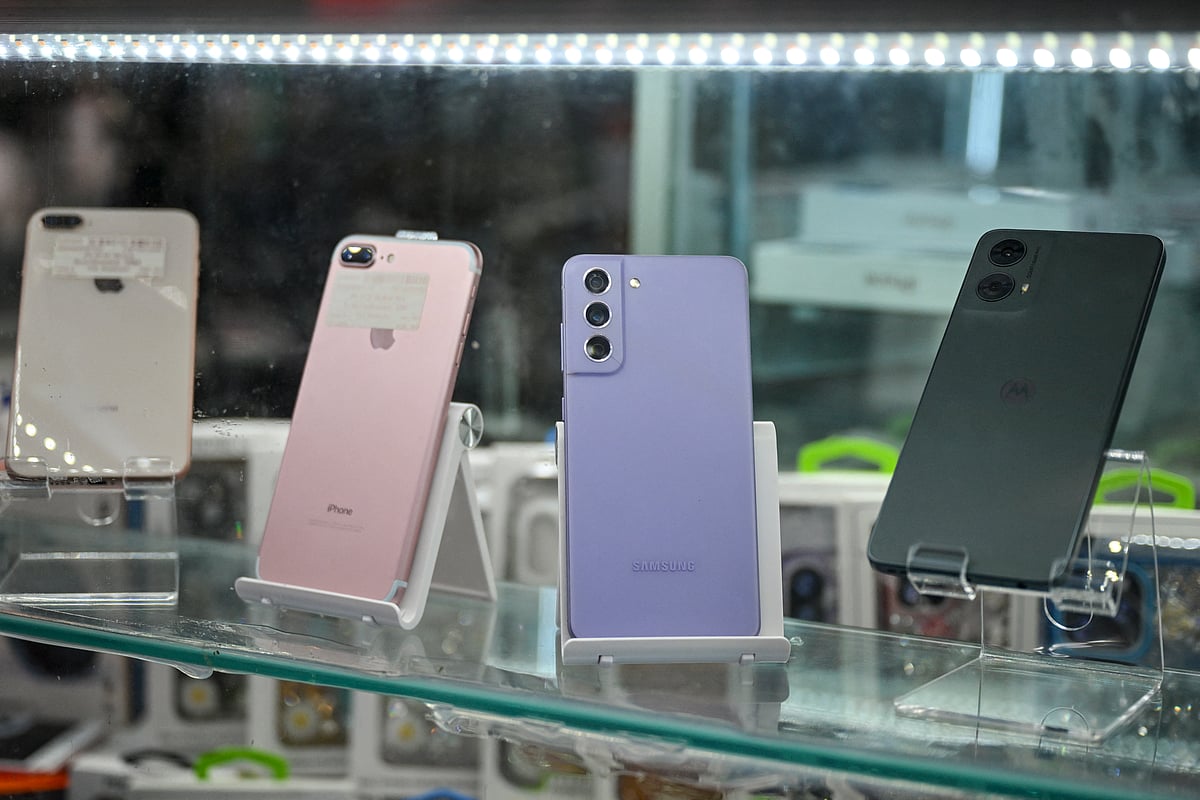
Dubai: In a new rule that could reshape India’s smartphone market, the telecom ministry has ordered phone manufacturers to preload every new device with a government-owned cyber safety app — and ensure the app cannot be deleted.
The November 28 directive, first reported by Reuters, gives companies 90 days to install the state-run Sanchar Saathi app on all new smartphones sold in India. Devices already in warehouses and retail pipelines must receive the app via mandatory software updates, making the requirement effectively universal.
What the government ordered
Pre-install Sanchar Saathi on every new smartphone sold in India.
Users cannot delete or disable the app.
For existing inventory, manufacturers must push the app via software updates.
Deadline: 90 days from the November 28 order.
What the app does
Sanchar Saathi lets users:
Block stolen or lost phones across all networks
Verify IMEI authenticity
Track and disable fraudulent mobile connections
Reduce misuse of cloned or spoofed devices
Government data shows:
700,000 lost phones recovered
3.7 million devices blocked
30+ million fraudulent connections shut down
Why the government says it’s needed
Rising phone theft and cloned IMEI cases
Cyber-fraudsters using stolen devices
Black-market circulation of counterfeits
Security threats from spoofed numbers
Need for a unified digital registry of devices
Sanchar Saathi, launched in January, lets users verify IMEI numbers, block stolen phones, and identify fraudulent mobile connections.
The government says it has helped recover 700,000 lost phones and block 3.7 million stolen or cloned devices, while terminating over 30 million fake mobile connections nationwide.
Officials argue the app is essential to fight “serious endangerment” from phone theft, spoofed IMEIs, and cyber-fraud rings.
The app cannot be disabled or deleted, even by the device owner.
Industry analysts say the order could trigger a showdown with Apple — whose internal policy strictly prohibits pre-installation of government or third-party apps on iPhones.
“Apple has historically refused such requests from governments,” said Tarun Pathak of Counterpoint Research, noting that the company may seek a negotiated compromise, such as prompting users to install the app rather than preloading it.
Google, Samsung and Xiaomi have not publicly commented.
Critics warn that users are not informed or given an opt-out; the app’s permissions and data access remain unclear; the order was sent privately to select phone makers and it sets a precedent for future mandatory government apps.
Some digital-rights groups say the move contradicts earlier government proposals to remove pre-installed bloatware and ensure tighter app screening.
In early 2025, the government had floated a proposal to ask phone makers to preload multiple public-service apps — including a government app store. After pushback from major OS vendors, the plan stalled.
Now, with rising cyber fraud and counterfeit phone cases, the government has revived the idea — but with sharper focus and enforcement power.
With more than 1.2 billion mobile subscribers, India is the world’s second-largest smartphone market.

Sign up for the Daily Briefing
Get the latest news and updates straight to your inbox
Network Links
GN StoreDownload our app
© Al Nisr Publishing LLC 2026. All rights reserved.