India hits back at Trump 'hellhole' remarks amid growing political backlash
‘Inappropriate’ comments draw criticism ahead of key diplomatic visit
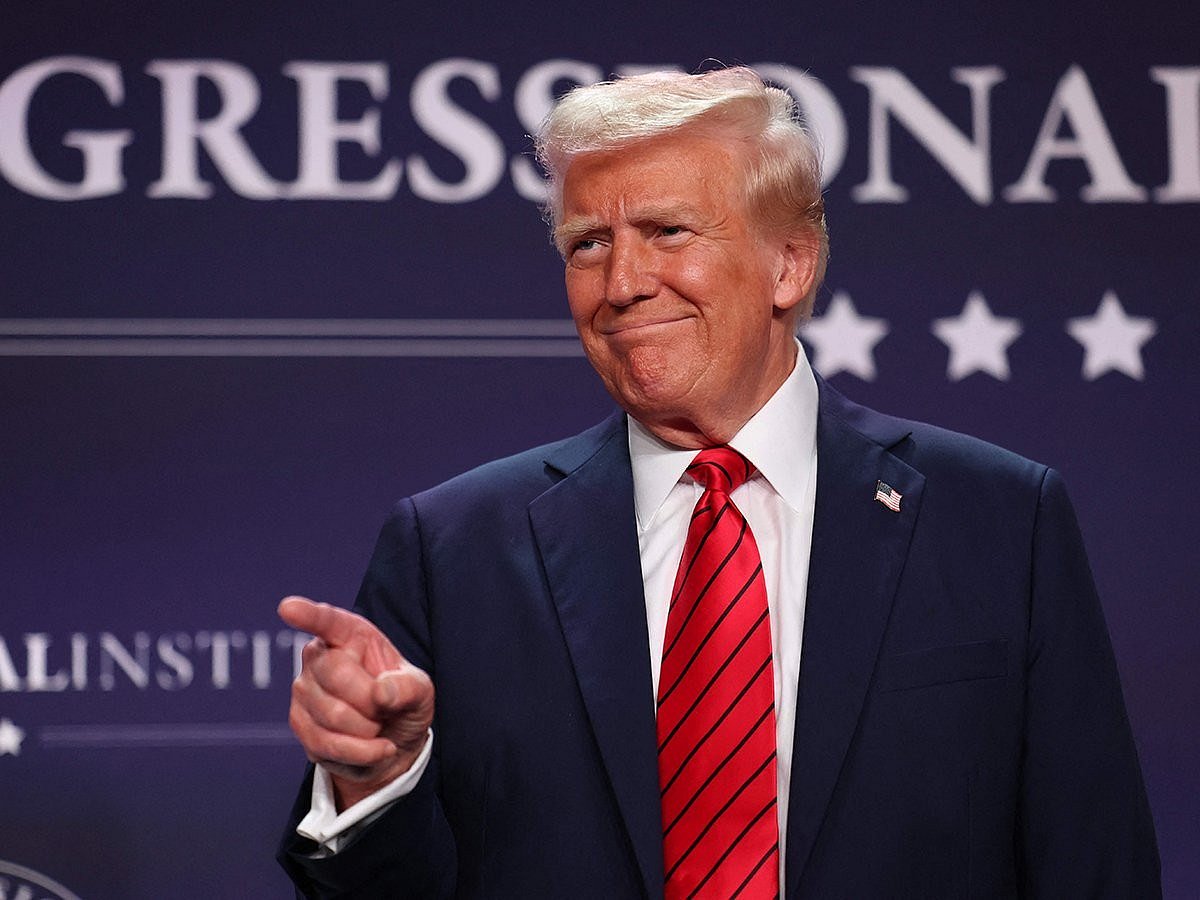
Remarks by US President Donald Trump describing India in derogatory terms have triggered a strong backlash from New Delhi, Indian American lawmakers and community leaders, threatening to cast a shadow over ties between the two countries.
The controversy erupted after Trump reposted a message on social media criticising birthright citizenship in the United States, which referred to countries including India as “hellholes” and made disparaging claims about Indian immigrants in the technology sector.
The post accused Indian immigrants in the tech industry of not hiring white native-born Americans and inaccurately alleged that Indian immigrants lack English proficiency.
“A baby here becomes an instant citizen, and then they bring the entire family in from China or India or some other hellhole on the planet,” the post said.
India’s government reacted swiftly, calling the remarks “obviously uninformed, inappropriate and in poor taste.”
“They certainly do not reflect the reality of the India-US relationship, which has long been based on mutual respect and shared interests,” foreign ministry spokesman Randhir Jaiswal said.
The comments come at a sensitive time, with US Secretary of State Marco Rubio expected to visit India next month in an effort to ease recent tensions and reinforce ties between the two countries.
Strong response from Indian American leaders
The backlash was particularly sharp among Indian American lawmakers and community leaders, who described the remarks as offensive and damaging.
Congressman Ami Bera, one of the longest-serving Indian American members of Congress, said he was “proud of his heritage and of the United States,” while condemning Trump’s comments in strong terms.
“President Trump, who was born into wealth and privilege, has never had to struggle the way so many immigrant families have,” he said, according to AFP.
Bera added that the remarks were “offensive, ignorant, and beneath the dignity of the office he holds,” arguing they reflect “a fundamental misunderstanding of who we are as a nation,” according to IANS.
“America has always been strengthened by generations of immigrants who come here, work hard, and contribute to our country. They do not weaken America - they strengthen it,” he said.
Congressman Raja Krishnamoorthi also criticised Trump, calling his decision to amplify the message “disgraceful and beneath the office he holds.”
“His rhetoric doesn’t just insult millions of Indian Americans and one of our most important global partners — it undermines the values that have made America a nation of opportunity and innovation,” he said.
Concerns over impact on bilateral ties
Advocacy groups and community leaders warned that such rhetoric could have broader consequences beyond domestic politics.
The Hindu American Foundation said it was disturbed by the “hateful, racist screed,” warning that “endorsing such rants as the president of the United States will further stoke hatred and endanger our communities.”
Ajay Bhutoria, a former adviser to a White House commission on Asian American issues, described the remarks as “a dangerous and offensive distortion of reality” and called for them to be withdrawn.
He emphasised the economic and strategic role of Indian Americans, noting their contributions to innovation, entrepreneurship and public services.
“Managers with laptops create jobs, fuel innovation, and contribute to massive economic growth. They are infinitely better for the future of this country than gangsters with guns who promote violence and instability,” he said.
Bhutoria also highlighted the broader implications for US foreign policy, calling India “a critical strategic ally” and warning that targeting the diaspora could amount to “an economic and geopolitical blunder.”
A shift in tone from Washington
Trump’s remarks mark a departure from the approach taken by successive US administrations, which have generally sought to strengthen ties with India as part of a broader strategy to counter China’s growing influence.
Over the past two decades, relations between Washington and New Delhi have deepened significantly, with cooperation expanding across defence, technology and trade. Bilateral trade has crossed $200 billion, and both countries increasingly view each other as key partners in addressing global challenges, according to IANS.
The Indian American community, which represents a small share of the US population, plays an outsized role in sectors such as technology, healthcare and academia, and is widely regarded as one of the most highly educated and economically successful groups in the country.
Immigration politics at the centre
Trump has made immigration a central theme of his political agenda, including tightening visa rules often used by Indian technology professionals and maintaining tariffs on India amid broader trade disputes.
His latest comments appear to reflect those positions but have drawn criticism for their tone and potential diplomatic fallout.
The episode also underscores the delicate balance between domestic political messaging and foreign policy priorities, particularly as the United States seeks to maintain strong partnerships in a rapidly shifting global landscape.
- with inputs from AFP, IANS

Sign up for the Daily Briefing
Get the latest news and updates straight to your inbox
Network Links
GN StoreDownload our app
© Al Nisr Publishing LLC 2026. All rights reserved.