From Popcorn to Pazhampori: Kerala’s banana fritters now costlier, sparks tax debate
The popular snack now faces a similar 18% GST as caramel popcorn
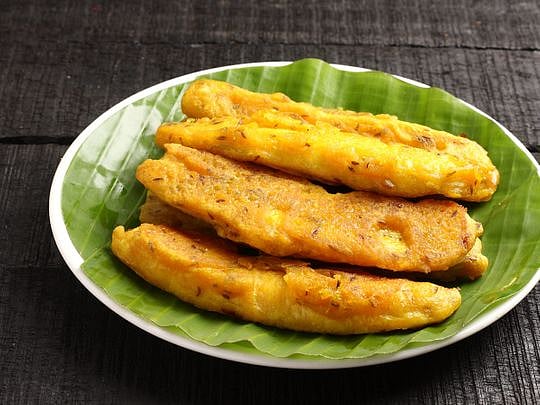
Dubai: The imposition of an 18 per cent Goods and Services Tax (GST) on pazhampori, Kerala's popular banana fritter, has sparked widespread debate about inconsistent tax classifications in India.
This follows similar controversies surrounding caramel popcorn (18 per cent GST vs 5 per cent for plain popcorn) and the earlier "cream bun" GST confusion.
Inconsistent tax policies highlighted
The tax on a staple snack for Kerala's working class highlights the government’s inconsistent tax policies. Despite serving the same purpose as snacks, caramel popcorn and plain popcorn face vastly different tax rates. This raises questions about the rationale behind such discrepancies and the government’s failure to streamline its policies.
Case of caramel popcorn
The caramel popcorn case highlights the confusion in the GST system. Its classification as a sugar confectionary results in an 18 per cent tax, while plain popcorn, a "namkeen" (savory) item, is taxed at only 5 per cent. This disparity has drawn criticism for being arbitrary and unfair.
Impact on other traditional snacks
Varying GST rates also impact other traditional Kerala snacks like vada, ada, and kozhukatta, based on ingredients and preparation. This inconsistency creates confusion for vendors and consumers, who question the logic behind taxing similar snacks differently. For example, pazhampori now faces an 18 per cent GST, while the similar uniappam (made with rice, banana, and coconut) is taxed at only 5 per cent. This has raised concerns about the government’s sensitivity to regional food cultures and affordability.
Stakeholders seek clarification
The Bakers Association Kerala (BAKE) and other stakeholders have voiced concerns about these varying rates and are seeking clarification, with some suggesting appeals to the Authority for Advance Ruling (AAR). While the AAR has previously reduced tax rates on some traditional snacks, many small vendors struggle with the system's complexities.
Public Outcry
Public outcry on Kerala's social media expresses dissatisfaction with the new tax, arguing that it unfairly targets the working class. Cultural commentators have also weighed in, highlighting the importance of preserving the accessibility of local snacks like pazhampori.
Call for GST reform
As the debate over GST rates continues, the government must reassess its approach to tax classifications. The implementation of a more consistent and transparent system will not only benefit small businesses but will also help preserve cultural food traditions that are integral to India’s diverse culinary landscape.
Sign up for the Daily Briefing
Get the latest news and updates straight to your inbox
Network Links
GN StoreDownload our app
© Al Nisr Publishing LLC 2026. All rights reserved.