After 13-year coma, India’s first passive euthanasia patient dies
Top court ruling on dignity in death finds its first real-world implementation
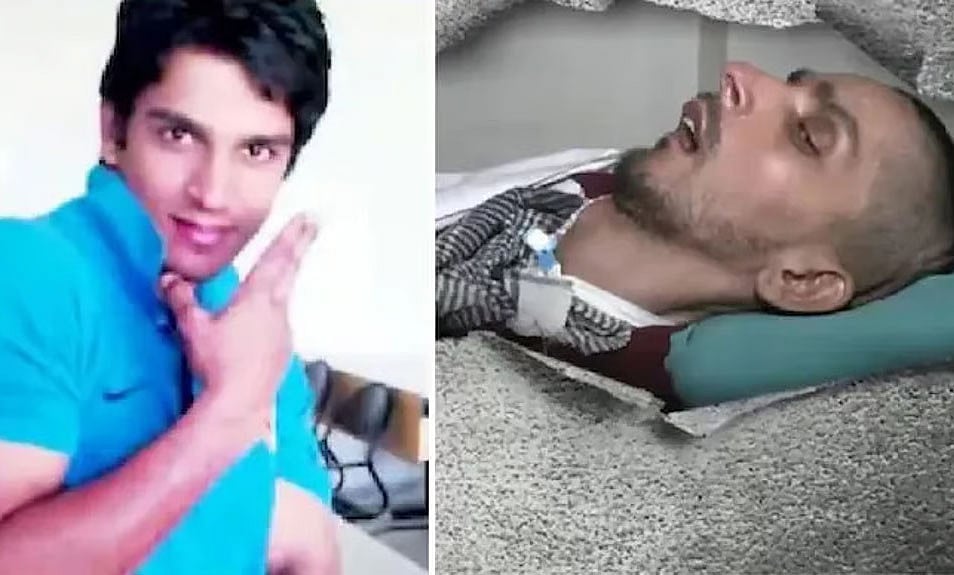
New Delhi: Harish Rana, the first person in India to be granted passive euthanasia, died on Tuesday at AIIMS Delhi, marking the country’s first real-world implementation of the right to die with dignity, Indian media reports said. He was 31.
Rana had been in a permanent vegetative state since 2013, when he fell from a fourth-floor balcony while studying engineering at Panjab University.
The accident left him with severe brain injuries, and he remained in a coma for over a decade, sustained through artificial nutrition and intermittent oxygen support.
Doctors consistently maintained there was no possibility of recovery. Despite this, his family continued to care for him through the years. As the Supreme Court later noted, “His family never left his side.”
Passive euthanasia: What it means
What it is: Allowing death by withdrawing or withholding life-sustaining treatment
2018 ruling: Supreme Court recognised right to die with dignity under Article 21
Living wills allowed: Patients can issue advance medical directives
2023 update: Process simplified; approval by medical boards replaces lengthy court procedures
Why this case matters: First real-world implementation of passive euthanasia in India
In a landmark ruling on March 11, the Supreme Court allowed passive euthanasia in his case, reinforcing that the right to die with dignity is part of the fundamental right to life under Article 21.
A bench of Justices J B Pardiwala and K V Viswanathan observed that Rana’s survival depended entirely on clinically administered nutrition and that multiple medical boards had unanimously concluded continued treatment would only prolong biological existence without hope of recovery.
“When primary and secondary boards have certified withdrawal of life support, there is no need for judicial intervention,” the court said, while also urging the Union government to consider framing a comprehensive law on passive euthanasia.
For Rana’s parents, Ashok and Nirmala Rana, the decision was not about relief, but about dignity. They had said the move would “restore Harish’s dignity after years of irreversible suffering” and hoped it would help others facing similar circumstances.
Following the ruling, Rana was shifted on March 14 to the palliative care unit at AIIMS Delhi, where a multidisciplinary team oversaw the process with sensitivity.
Doctors from neurosurgery, anaesthesia, psychiatry and palliative care worked together to implement a “tailored plan” to ensure dignity was maintained. His artificial nutritional support was gradually withdrawn over several days.
He passed away peacefully on Tuesday.
Rana’s case is now seen as a defining moment in India’s evolving legal and ethical framework on end-of-life care, offering clarity to families and doctors navigating similarly complex decisions.

Sign up for the Daily Briefing
Get the latest news and updates straight to your inbox
Network Links
GN StoreDownload our app
© Al Nisr Publishing LLC 2026. All rights reserved.