Anil Menon shows how astronauts fight muscle and bone loss in space
NASA astronaut shares an ISS workout, highlighting the impact of microgravity on the body.
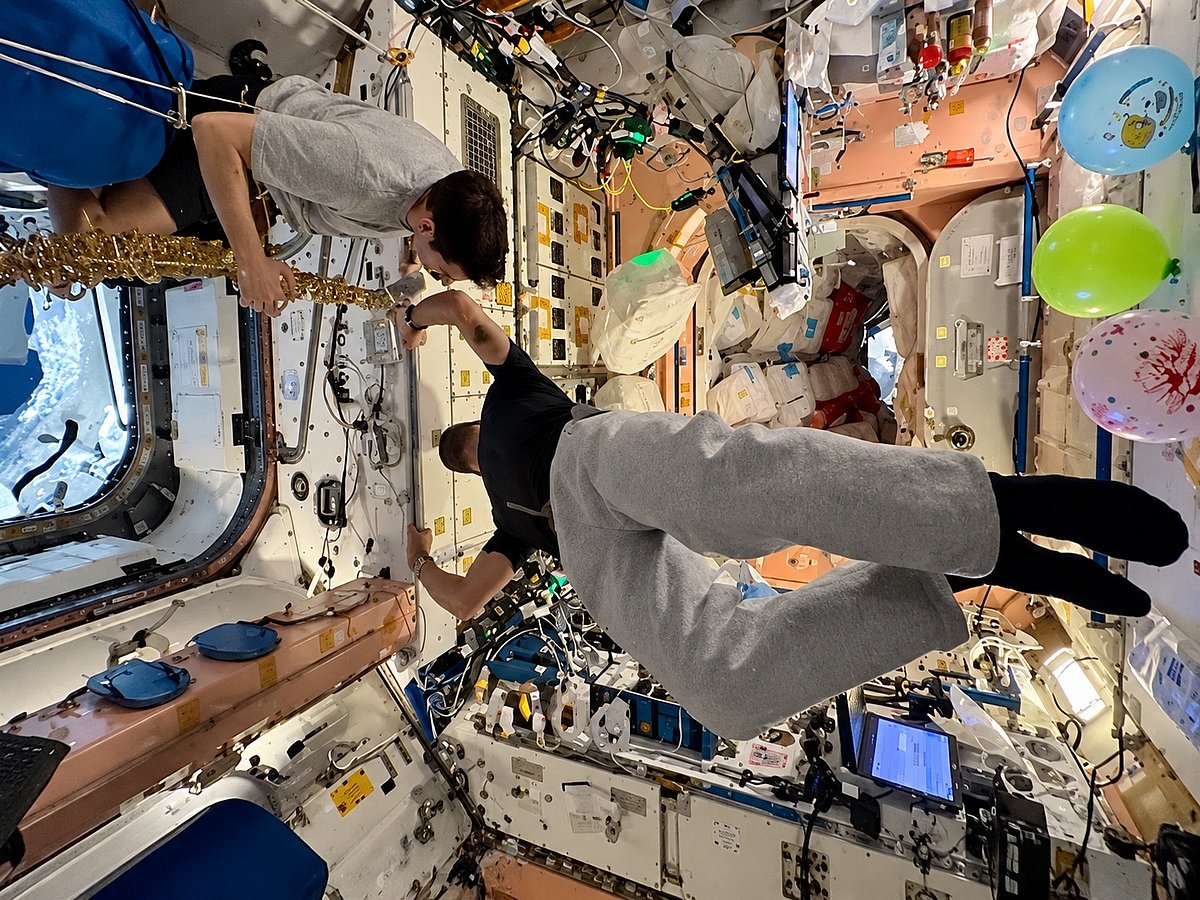
Indian-origin NASA astronaut Anil Menon has offered a glimpse into the physical demands of living in space, sharing a workout video from the International Space Station (ISS) and explaining why daily exercise is essential to keeping astronauts healthy.
“Stay Hard!” Menon wrote alongside the video, highlighting the focus, determination and grit needed to maintain a fitness routine while orbiting Earth.
“Exercise on station takes focus, determination, and grit,” he said, stressing the consequences of going without regular physical activity in microgravity.
According to Menon, astronauts can lose around 3 per cent of their bone mass every month without exercise, as well as 10 to 15 per cent of their muscle mass and body weight. He also highlighted a decline of more than 10 per cent in VO2 max, a measure of the body's ability to use oxygen during exercise.
Why exercise matters in space
In microgravity, the human body no longer works against gravity as it does on Earth. Bones and muscles experience less mechanical loading, which can contribute to bone loss and muscle atrophy. Cardiovascular fitness can also decline.
These changes make exercise a critical part of life aboard the ISS, particularly during extended missions.
Astronauts use specialised equipment to perform resistance training and cardiovascular workouts in microgravity. These routines help preserve muscle strength, bone health and endurance while preparing crew members for the physical demands of returning to Earth.
An astronaut’s fitness challenge
Menon also credited fellow astronaut Navy Captain Jack Hathaway with helping him push his fitness levels further.
“Captain Jack Hathaway was a friend and, at times, a personal trainer and coach who pushed me to new levels like David Goggins,” Menon said, referring to the American endurance athlete known for his demanding approach to physical training.
Maintaining fitness in space goes beyond athletic performance. Astronauts need sufficient strength and endurance to carry out demanding tasks during their missions and readjust to Earth's gravity after returning home.
As space agencies prepare for longer missions, including journeys to the Moon and eventually Mars, protecting astronauts' physical health will remain a key challenge.
Regular exercise is therefore not merely part of an astronaut's daily schedule. It is essential preparation for the demands of living and working beyond Earth.
Network Links
GN StoreDownload our app
© Al Nisr Publishing LLC 2026. All rights reserved.