Drone attack: US escalates pressure on Venezuela with first known land strike
Trump confirms US forces carried out an attack on a coastal dock facility in Venezuela
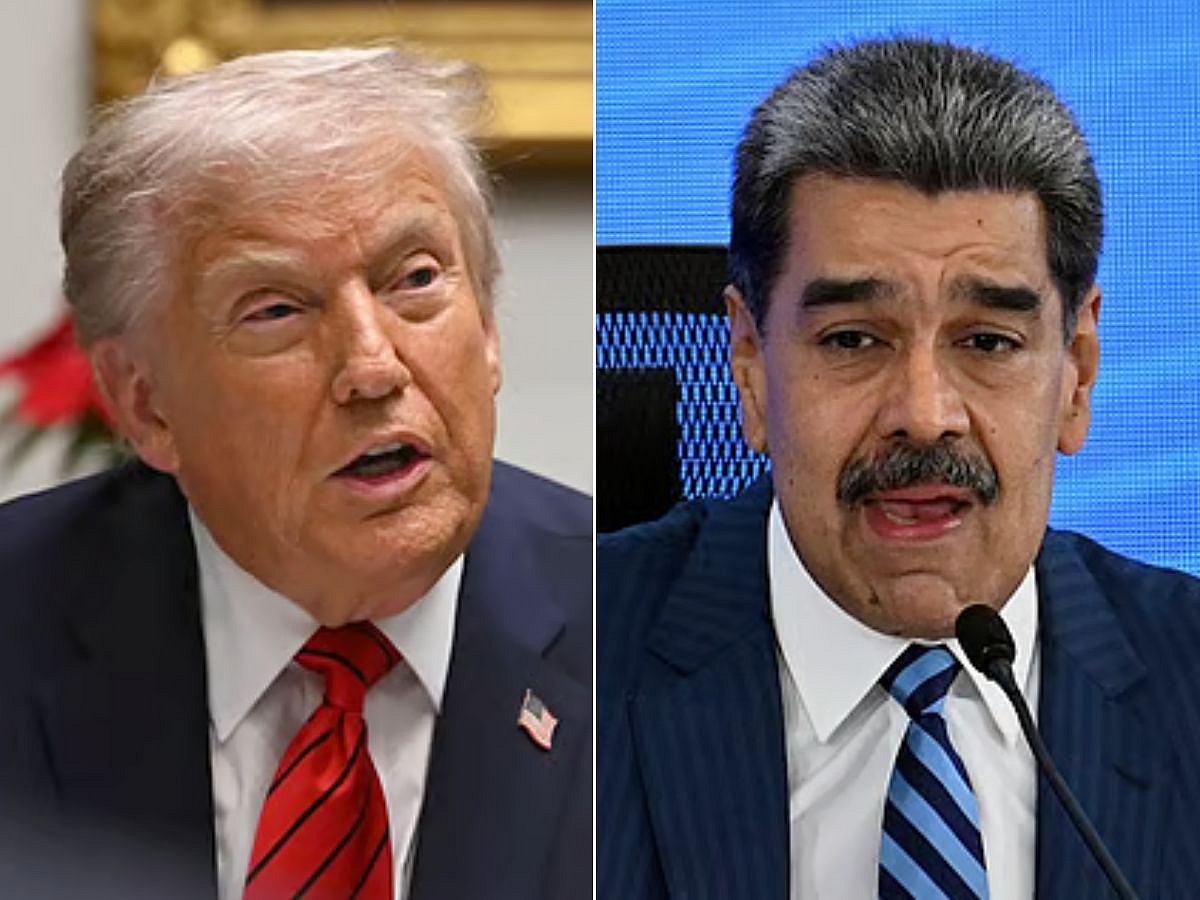
The United States (US) under President Donald Trump has entered a new and more confrontational phase in its campaign against the government of Venezuelan President Nicolas Maduro.
This includes what appears to be the first American strike on Venezuelan soil, a move that marks a significant escalation from previous maritime operations and economic pressure tactics.
New phase: First known land operation
President Trump has publicly confirmed that US forces carried out an attack on a coastal dock facility in Venezuela that the administration says was linked to drug trafficking.
Trump described the target as a location where boats allegedly loaded narcotics for shipment, and said the operation destroyed a “major implementation area.”
However, he did not specify which U.S. agency conducted the action, AP reported.
According to an AP report, sources familiar with the matter told journalists that the Central Intelligence Agency (CIA) carried out a drone strike on the port facility, marking the first known direct operation on Venezuelan soil since US actions against Venezuelan targets began earlier in 2025. Venezuelan authorities have not publicly acknowledged the incident.
Rising tensions and military buildup
This latest strike caps months of increasing pressure, including a significant U.S. naval buildup in the Caribbean and repeated strikes against vessels the U.S. identifies as involved in drug trafficking. U.S. military and Coast Guard forces have intercepted oil tankers and pursued sanctioned vessels near Venezuelan waters as part of what Trump aides describe as efforts to counter illegal drug flows.
In mid-December, the U.S. ordered a blockade of sanctioned oil tankers entering or leaving Venezuela, a move aimed at squeezing Maduro’s largest source of revenue.
Reuters analysts described this blockade as a key pressure point that has sharply reduced Venezuelan oil exports and complicated operations for state oil company PDVSA.
Sanctions and economic pressure
Alongside military actions, the Trump administration has expanded sanctions targeting Venezuelan oil interests. On Dec. 31, the U.S. Treasury Department imposed sanctions on four companies and their tankers allegedly facilitating exports for the Maduro regime, aiming to cut off financial flows Washington claims support illicit activities.
The sanctioned vessels include:
Nord Star,
Lunar Tide,
Rosalind, and
Della.
Venezuela has vehemently rejected these measures as an attempt at regime overthrow and economic strangulation.
Caracas and its political supporters have decried the blockade and seizures as unlawful acts of “piracy,” and the Venezuelan National Assembly passed legislation to criminalise blockades and sanctions-related actions, Reuters reported.
Unclear strategy, US domestic debate
Despite the international ramifications, the Trump administration has not laid out a clear long-term strategy for what comes next— even as legal and constitutional questions mount.
Many Republicans in Congress opposed resolutions to rein in the administration’s actions, but Democrats and some legal experts have raised alarms about the lack of congressional authorization for these operations and the broader implications of striking a sovereign country.
Critics argue that Washington’s rhetoric has shifted from counter-narcotics to an implicit objective of destabilising Maduro’s government.
Maduro himself denies links to drug trafficking and insists that the US actions are aiming at regime change rather than legitimate law enforcement.
Escalation
This escalation follows more than a year of tension between the two governments, with the U.S. increasingly using economic pressure, sanctions, and maritime interdictions to isolate Caracas.
BBC reported that the administration’s approach has drawn global scrutiny, including from international law experts and regional governments concerned about the risks of conflict.
Amid the evolving situation, both domestic political debate in Washington and diplomatic reactions from Latin American neighbours and international organisations will play a key role in determining whether the conflict escalates further or moves toward some negotiated de-escalation.
Sign up for the Daily Briefing
Get the latest news and updates straight to your inbox
Network Links
GN StoreDownload our app
© Al Nisr Publishing LLC 2026. All rights reserved.