'Epic Fury', offensive stage of Iran war, is 'over': Rubio
Ceasefire holds as Trump warns Iran despite end of offensive campaign
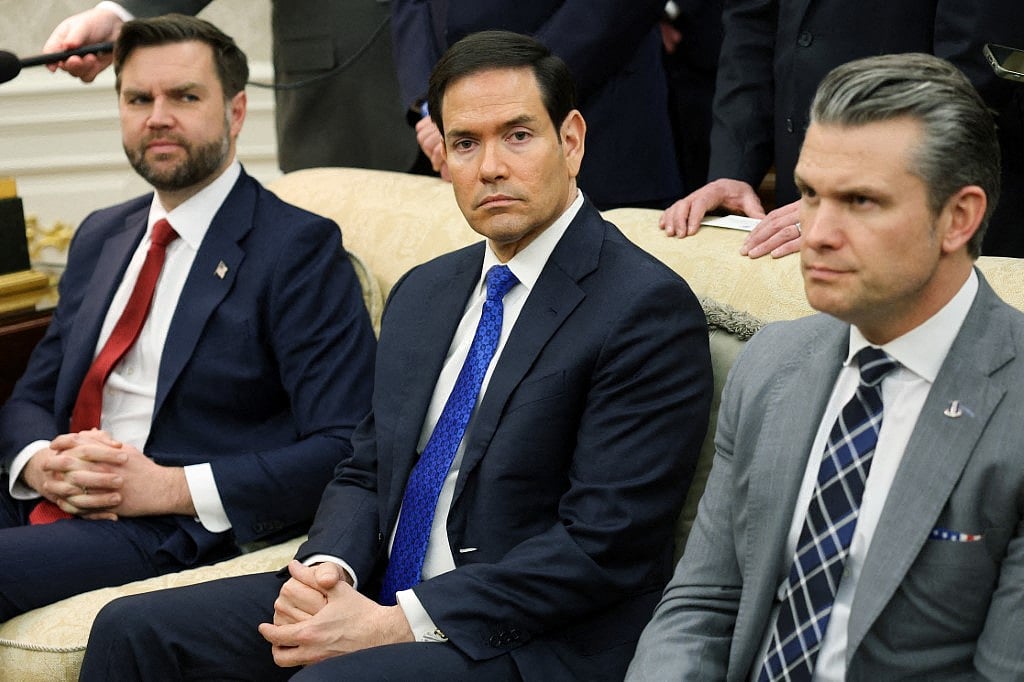
The United States has completed its offensive operations against Iran, Secretary of State Marco Rubio said Tuesday, echoing statements to Congress nearly a month into a fragile ceasefire.
"The operation is over -- "Epic Fury" -- as the president notified Congress. We're done with that stage of it," Rubio told reporters at the White House.
Earlier the White House had informed lawmakers that the war had terminated due to the ceasefire, avoiding a legal requirement to ask Congress to authorize a conflict that goes beyond 60 days.
Trump nonetheless has threatened Iran with major reprisals if it attacks US ships and on Sunday announced so-called "Project Freedom" to help vessels leave the Strait of Hormuz, the narrow chokepoint to the Gulf where Iran has seized control in response to being attacked.
"This is not an offensive operation; this is a defensive operation," Rubio said.
"And what that means is very simple -- there's no shooting unless we're shot at first."
Israel and the United States attacked Iran on February 28, killing top leaders and destroying major military and economic sites but not forcing the collapse of the Islamic republic, which has responded with missile and drone attacks across the region.
Trump on April 8 declared a ceasefire with Iran that he has since extended even though negotiations with Tehran have been at a standstill.
Rubio said the United States has "achieved the objectives" of the war.
"These guys are facing, they are facing real, catastrophic destruction to their economy," he said, while adding that Trump still preferred a negotiated deal with Iran.
Rubio, a former US senator, also said that he disagreed with the 1973 War Powers Act, which requires the president to notify Congress within 48 hours of sending troops and to seek authorization after 60 days.
"We don't acknowledge the law as constitutional. Nonetheless, we comply with elements of it for purposes of maintaining good relations with Congress," he said.
Sign up for the Daily Briefing
Get the latest news and updates straight to your inbox
Network Links
GN StoreDownload our app
© Al Nisr Publishing LLC 2026. All rights reserved.