How nations are pushing diplomacy to end the war
Mediation, backchannels and venue offers gather pace as global push for talks intensifies
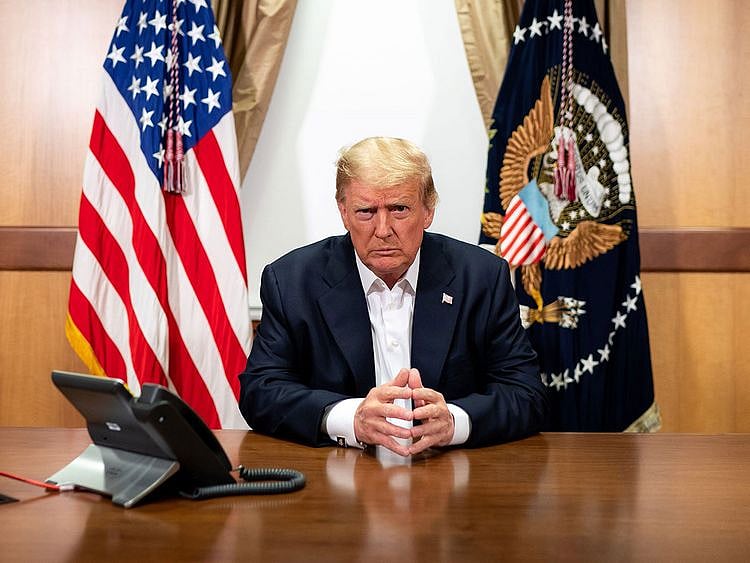
Dubai: Countries are intensifying diplomatic efforts to end the war, with Pakistan emerging as a potential key mediator and offering to host talks involving Iran, Israel and the United States.
Diplomatic activity has shifted into high gear after US President Donald Trump claimed on Monday that Iran was in talks to end the conflict — a claim Tehran has denied.
Pakistan’s Prime Minister Shehbaz Sharif said Islamabad was prepared to facilitate negotiations aimed at halting the war, amid mounting speculation over its role as a go-between.
“Pakistan welcomes and fully supports ongoing efforts to pursue dialogue to end the war in the Middle East, in the interest of peace and stability in the region and beyond,” Sharif wrote on X.
“Subject to concurrence by the US and Iran, Pakistan stands ready and honoured to host and facilitate meaningful and conclusive talks for a comprehensive settlement of the ongoing conflict,” he added.
Possible venue
Islamabad is now being discussed in some quarters as a possible venue for talks later this week, reflecting its growing role in backchannel diplomacy.
The push comes as multiple countries ramp up outreach. Turkey’s foreign minister has spoken to more than a dozen regional and global counterparts over the past 48 hours, while Ankara is also reported to have floated London as a potential neutral venue for negotiations.
The president of the European Commission said Tuesday it was “time to go to the negotiation table and end the hostilities” in Iran.
India also joined calls for de-escalation. Prime Minister Narendra Modi said he had a “useful exchange of views” with Trump and stressed that India supports “de-escalation and restoration of peace at the earliest.” He also underlined the need to keep the Strait of Hormuz “open, secure and accessible.”
Backchannel communication
Tehran has signalled that backchannel communication may already be underway. Iran’s foreign ministry said messages had been received from “some friendly countries indicating a US request for negotiations to end the war.”
Sharif also spoke with Iran’s President Masoud Pezeshkian, reiterating Pakistan’s willingness to help broker peace, while Foreign Minister Ishaq Dar confirmed he had been in contact with his Iranian counterpart Abbas Araghchi.
Earlier, Pakistan’s foreign ministry spokesman Tahir Hussain Andrabi told AFP that the country was “always willing to host talks” and had “consistently advocated for dialogue and diplomacy to promote peace and stability in the region.”
How diplomacy is being pushed
Hosting talks: Pakistan offers to host; other venues like London also floated
Mediation network: Pakistan, Turkey and Egypt acting as key intermediaries
Diplomatic outreach: Leaders ramp up calls and engagement
Global pressure: EU, India and Qatar push for de-escalation
Parallel channels: Oman and others relay backchannel messages
Behind the scenes, there are indications of deeper engagement. Pakistan’s former ambassador to Oman, Imran Ali Chaudhry, said Chief of Defence Forces and Chief of Army Staff Field Marshal Syed Asim Munir had held undisclosed talks in Oman with US officials.
“Around two to two-and-a-half weeks ago, Field Marshal Asim Munir went to Oman on a trip that was not disclosed and held a four-hour meeting with (Steve) Witkoff and (Jared) Kushner,” he said.
Multiple US and Israeli media outlets have reported that Pakistan, along with Egypt and Turkey, has been acting as a conduit between Washington and Tehran, relaying messages in an effort to broker an off-ramp in a conflict that has triggered one of the most severe energy crises in modern times.
According to Axios, two possible formats are under discussion: One involving Iranian Foreign Minister Abbas Araghchi, US envoy Steve Witkoff and Jared Kushner; another envisioning US Vice President JD Vance meeting Iran’s parliament speaker Mohammad Bagher Qalibaf.
Reports have also pointed to possible backchannel contacts. The Axios news site, citing an Israeli official, identified the mystery interlocutor — whom US President Donald Trump said was involved in talks but declined to name, warning his life could be in danger — as Mohammad Bagher Qalibaf, Iran’s parliament speaker and one of the most prominent non-clerical figures in Tehran.
Qalibaf has dismissed Trump’s claims of talks, describing them as an attempt to “escape the quagmire in which the US and Israel are trapped.”
Qatar has also weighed in, stressing the need for diplomacy while distancing itself from mediation efforts. Foreign Ministry spokesperson Majed Al Ansari said “the war must be ended through diplomatic means” and urged parties to reach the negotiating table, while adding that there are no Qatari efforts to mediate.
The New York Times, citing unnamed officials, reported that there had been “direct communication” in recent days between Iranian Foreign Minister Abbas Araghchi and US envoy Steve Witkoff, although neither side has confirmed this.
Even so, diplomats say the absence of formal talks does not rule out ongoing backchannel exchanges through intermediaries.

Sign up for the Daily Briefing
Get the latest news and updates straight to your inbox
Network Links
GN StoreDownload our app
© Al Nisr Publishing LLC 2026. All rights reserved.