This ancient grain, known as Job's tear, comes with a large, round kernel that has a nutty flavour and chewy texture (other English names include Chinese pearl barley, coix seeds, or yi yi ren).
Adlai rice: Diabetic-friendly grains for the health-conscious?
'Job's tear' is known as a low-glycaemic index, gluten-free, protein-rich rice alternative
Last updated:
3 MIN READ
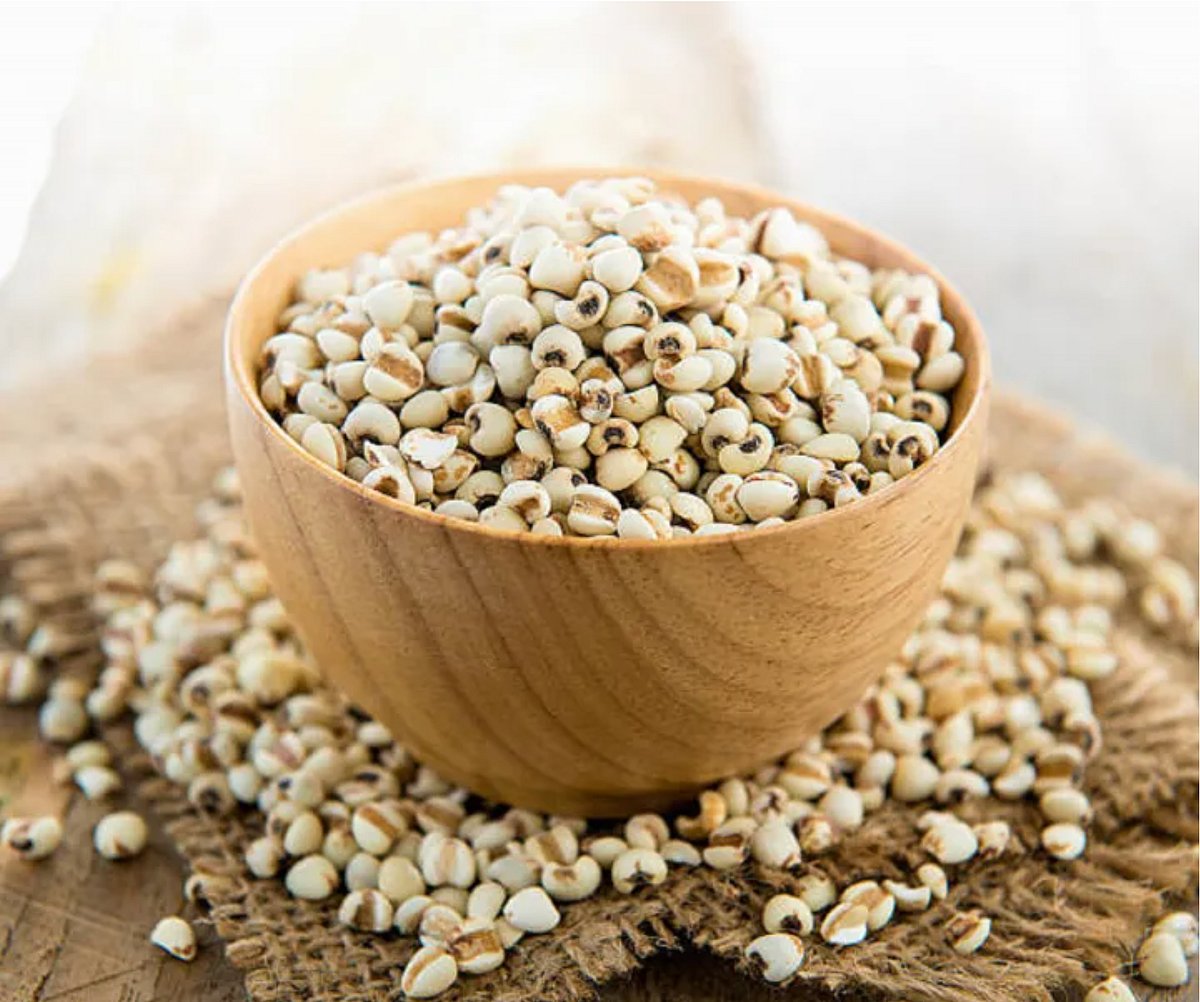
Lazada
Adlai rice is all the rage.
It has many upsides: gluten-free, high in protein, low glycaemic index, packed with vitamins and minerals.
It has a major downside: its current price is four-times typical rice.
Alternative
This nutritious alternative to regular white rice, is gaining increased demand and consumption, thanks in part to its reported health benefits.
Low glycaemic index
Adlai rice, which contains high amounts of carbohydrates, protein, and essential mineral, has a comparatively low glycemic index of only 35 (vs about 75 for most rice varieties), making it potentially more suitable for blood sugar management than standard white rice
It is also known for its robust nutrient profile and anti-inflammatory properties, so Adlai appeals especially to health-conscious consumers and those looking for diabetic-friendly grains.
Adlai rice with roast beef.
Food source
Asean countries play a key role in promoting Adlai as a sustainable food source.
Indigenous to northern Philippines, particularly in the Cordillera region, Adlai offers a promising option to reduce rice import dependence while boosting local farmer incomes.
Vietnam, Thailand, and Indonesia are also involved in Adlai production and promotion, though to different extents.
Its resilience to adverse weather conditions also makes it suitable for climate-vulnerable farming landscapes.
These countries see Adlai as part of diversifying their staple food base and enhancing food security amid growing populations and climate risks.
In Indonesia, for example, Adlai is marketed as a health food with increasing popularity among urban consumers.
While global trade in Adlai remains small compared to other varieties of rice, its niche appeal and health benefits are driving rising consumption trends.
Southeast Asian countries are increasingly investing in R&D to improve Adlai yields and market reach, aiming to capitalise on this trend.
This growing interest in Adlai signals a shift toward more diverse, health-oriented grains in Southeast Asia.
Studies
Some studies describe Adlai rice as having a comparable or higher nutrient density than rice, with notable protein and micronutrient content that may benefit overall diet quality.
Despite these positives, Adlai is not grown as extensively as traditional rice.
Agronomic research highlights that information on its cultivation, yield performance, and production practices is relatively limited, with studies often focusing on varietal trials, nutrient applications, and breeding improvements rather than large-scale commercial production.
This limited cultivation contributes to lower overall availability compared to rice, which has far more established seed systems, mechanised production, and market integration globally.
Because of its limited production and niche market demand, adlai tends to be more expensive than commonly consumed rice varieties.
Market reports and agricultural analyses note that per-kilogram prices for adlai often exceed those of regular rice, reflecting lower supply, specialised processing, and its “superfood” positioning.
Adlai nutritional healt and benefits
Nutrient Profile: A 100g serving of Adlai provides roughly 356 kcal, with 12.8g of protein, 73.9g of carbohydrates, and 1.0g of fat. It is a rich source of calcium, iron, and Phosphorus, with higher protein content compared to white rice.
Health Properties: Studies indicate that Adlai extracts possess anti-cancer, anti-inflammatory, anti-obesity, anti-tumor, and anti-microbial activities.
Gut Health: Emerging research highlights its role in boosting beneficial gut bacteria due to its fiber and phytochemical content.
[Source: 2024, Journal of Biodiversity and Environmental Sciences (JBES)]
Limited cultivation
While adlai offers nutritional advantages and potential health benefits, its limited cultivation and higher cost compared to conventionally grown rice keep it from mainstream staple status despite its superfood reputation.
In contrast, rice benefits from economies of scale, extensive cultivation infrastructure, and strong consumer demand, keeping its price relatively lower.
Sign up for the Daily Briefing
Get the latest news and updates straight to your inbox
Network Links
GN StoreAbout Gulf NewsTerms & ConditionsReach by GNSitemapContact usPrivacy PolicyGN FocusHave your sayWork with usAdvertise with usGulf News epaperPrinting Services
Download our app
© Al Nisr Publishing LLC 2026. All rights reserved.