US-Iran war: US responds to Tehran's Hormuz plan — what UAE residents need to know tonight, September 30, 2026
Qatar's mediation continues as oil rises and UAE travellers face flight disruption
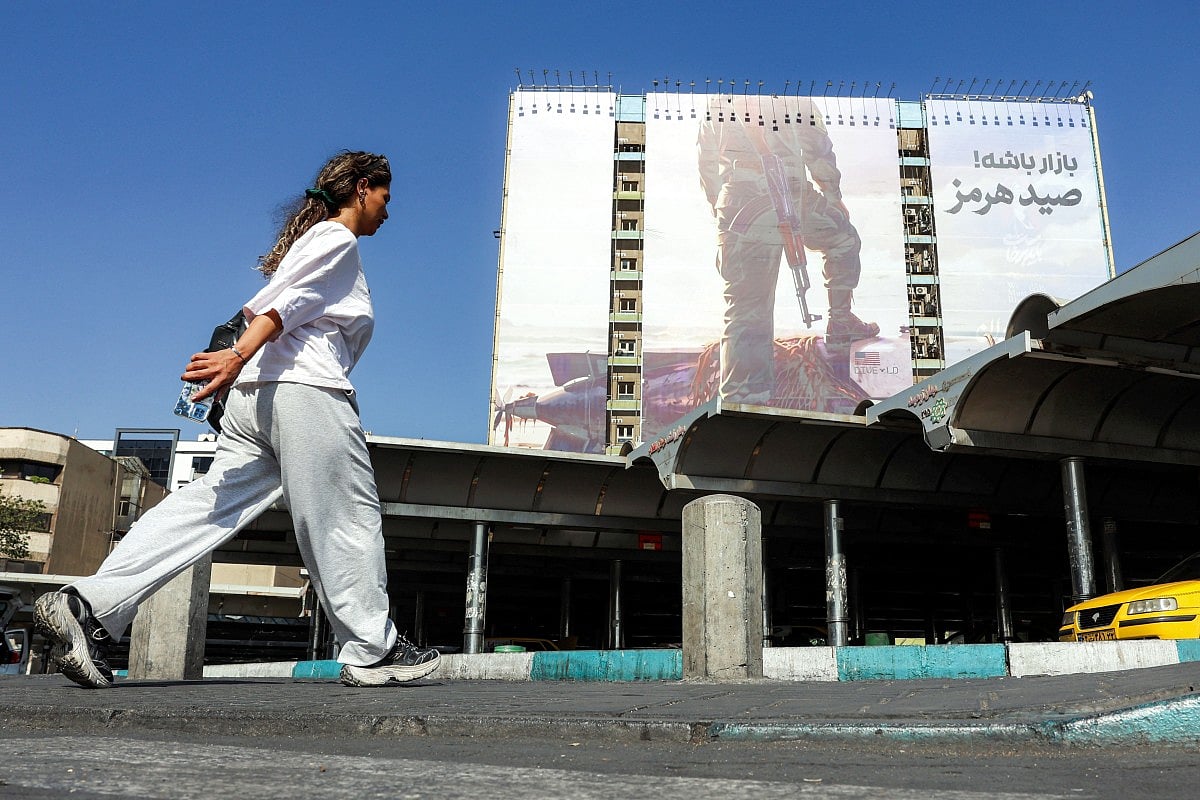
The diplomatic push to end the US-Iran war has entered a potentially important new phase, with Tehran confirming it has received Washington’s response to its proposal for a seven-day process that could reopen the Strait of Hormuz.
The two sides appear to agree broadly on the steps required but remain divided over the order in which they should happen, according to an official briefed on the talks.
Get updated faster and for FREE: Download the Gulf News app now - simply click here.
US President Donald Trump, meanwhile, says Washington will win the war “very soon”, while Iran’s Revolutionary Guard has accused the US campaign of failing.
For UAE residents, the main developments this Wednesday afternoon and evening are the latest diplomatic movement, continued disruption around Hormuz, higher oil prices and changing flight schedules.
Here is what you need to know on September 30.
Iran receives US response to Hormuz peace plan
Iranian Foreign Minister Abbas Araghchi has received Washington’s response to Tehran’s latest proposal through Qatari mediators.
The Iranian plan envisages a seven-day trust-building period that could lead to the Strait of Hormuz reopening and the restoration of normal maritime traffic if agreed conditions are met.
Trump had publicly rejected Iran’s proposal, but Tehran said it had not received a formal rejection through diplomatic channels.
That has now changed.
Qatari mediators conveyed Washington’s response to Araghchi in Doha as he returned from New York, and the Iranian foreign minister took it back to Tehran for consideration.
The latest discussions suggest the two sides largely agree on the required steps but remain divided over their sequencing — essentially, which side moves first.
The proposal is intended to move Washington and Tehran towards an enhanced version of the memorandum of understanding agreed in June, including steps concerning Iran’s nuclear programme.
Trump says US will win war ‘very soon’
Trump has predicted that the war will be resolved quickly, saying the United States would prevail “one way or the other”.
Speaking after US officials communicated with mediators working to end the conflict, Trump said: “We’re going to win.”
“It’s going to go pretty quickly,” he added.
Trump also predicted US fuel prices would fall sharply once the conflict ends.
The comments come as Qatar continues shuttle diplomacy between Washington and Tehran following the first proximity talks between the two sides since their earlier ceasefire unravelled.
Iran’s Revolutionary Guard says US campaign has failed
Iran’s Islamic Revolutionary Guard Corps has taken the unusual step of addressing the American public directly, issuing a lengthy open letter ahead of the US midterm elections.
The IRGC urged Americans to reject politicians it blamed for the war and claimed Washington’s military campaign against Iran had failed.
Trump has presented a very different assessment, saying Iran is struggling and will eventually surrender.
The competing claims come as Washington also increases economic pressure on Tehran. This week, the US imposed sanctions on another 10 individuals and entities it says helped Iran obtain weapons and components.
Two ships hit as Hormuz remains disrupted
Despite the diplomatic activity, shipping through the Strait of Hormuz remains substantially disrupted.
Britain’s UK Maritime Trade Operations said projectiles hit two ships on Tuesday.
Shipping through Hormuz has increased in recent weeks, although operators continue to charge high premiums to transit because of the risk of attack.
Flows of crude oil, refined products and natural gas through the waterway remain well below normal levels.
Reopening Hormuz remains at the centre of negotiations between Washington and Tehran.
Oil rises as US-Iran talks remain unresolved
Oil prices moved higher on Wednesday, reversing Tuesday’s decline as traders weighed recovering Middle East supplies against the lack of a breakthrough in negotiations.
Brent November futures traded around $103 a barrel in afternoon trading, while the more actively traded December contract was around $98.
Brent remains on course for a monthly increase of about 14 per cent.
Meanwhile, Middle East crude supplies have improved. Saudi Arabia has resumed tanker loadings from its Red Sea port of Yanbu after restarting the East-West Pipeline.
Estimates cited by Reuters also indicate Gulf oil exports have recovered substantially, helping ease some of the supply pressure created by disruption at Hormuz.
US troops complete withdrawal from Iraq
The United States has completed the withdrawal of its remaining forces from bases in Iraq under a plan originally agreed by Washington and Baghdad in 2024.
Iran and Iran-aligned groups portrayed the departure as a victory and another step towards reducing the US military presence in the region.
Iraq has repeatedly found itself caught between Washington and Tehran, with Iran-backed armed groups operating in the country throughout the conflict.
The US withdrawal was planned before the current war and should not be presented as a direct consequence of the latest negotiations.
UAE flights: Delays and cancellations continue
UAE travellers continue to face selected delays and cancellations, although much of the country’s airline network is operating normally.
The latest Gulf News flight tracker shows some Emirates and flydubai departures from Dubai were delayed on Wednesday morning. Etihad reported no major cancellations or delays in its latest update, while Air Arabia recorded selected cancellations involving Kuwait and Bahrain.
Air France has extended the suspension of its Dubai services until October 24, while Cathay Pacific has cancelled Dubai and Riyadh passenger services through January 31, 2027.
Not every delay or cancellation is related to the regional conflict; operational and technical issues also affect individual services.
Passengers should check their flight directly with their airline before travelling to the airport.
What UAE residents should watch this evening
The most important development is what Iran does next in response to Washington's seven-day proposal.
The apparent narrowing of the disagreement to the sequencing of measures suggests negotiations are continuing despite Trump’s public rejection of Tehran’s original proposal. It does not, however, mean an agreement has been reached.
The Strait of Hormuz remains the key test. Any agreement that restores normal shipping could quickly ease pressure on oil prices, freight costs and regional aviation.
For UAE travellers, airline schedules remain fluid, so check directly with carriers before departure.
Network Links
GN StoreDownload our app
© Al Nisr Publishing LLC 2026. All rights reserved.