US-Iran conflict: What UAE residents need to know today
Saudi Arabia has taken precautionary measures amid the wider regional security situation
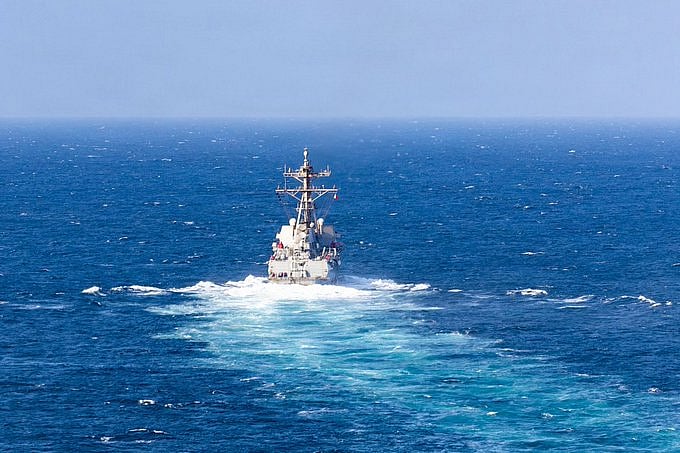
The US-Iran conflict has entered another uncertain phase after US President Donald Trump rejected Iran’s proposal to reopen the Strait of Hormuz within seven days, while Washington steps up economic pressure on Tehran with support from the UAE, UK, Turkey and Oman.
UAE passengers have been advised to check their flight status before travelling to the airport on Sunday amid delays and schedule changes at Dubai, Abu Dhabi and Sharjah airports.
In Riyadh, parents received emails from schools announcing a last-minute shift to remote learning for a week, although no official reason was given for the move.
Follow our live blog for the latest developments on the US-Iran conflict
US thanks UAE over Iran sanctions
US Treasury Secretary Scott Bessent has thanked the UAE, UK, Turkey and Oman for supporting Washington’s economic pressure campaign against Iran.
In a post on X, Bessent said US teams had been deployed around the world to push for action against Tehran under what Washington calls “Operation Economic Outcast”.
He said Turkiye and Oman had stopped Mahan Air flights, while the UAE had halted flights by Iranian airlines and major commercial banks in the UAE and Turkiye had stopped transactions with Iran.
Bessent said Washington would continue working with the four countries to strengthen measures against Iran.
Get updated faster and for FREE: Download the Gulf News app now - simply click here.
Trump rejects Iran’s Hormuz offer. What happens now?
Trump has rejected Iran’s proposal to reopen the Strait of Hormuz within seven days as part of a plan to end the conflict and resume nuclear talks.
Iranian Foreign Minister Abbas Araghchi said Tehran was still waiting for a formal US response through mediators before deciding its next move. Iran says reopening the waterway would depend on Washington meeting its conditions.
Iranian President Masoud Pezeshkian said the proposal had been coordinated with Supreme Leader Mojtaba Khamenei and backed by a six-member team with authority to negotiate on Tehran’s behalf.
The rejection leaves the two sides at an impasse over who should make the first move.
Read full story here.
UAE flights face delays and cancellations
UAE passengers have been advised to check their flight status before travelling to the airport on Sunday, with delays and schedule changes reported at Dubai, Abu Dhabi and Sharjah airports.
Flydubai and Air Arabia have reported cancellations on several regional routes, while Emirates and Etihad continue to operate, with some flights delayed or rescheduled.
Passengers should check directly with their airline before leaving for the airport and allow extra time for their journey.
Riyadh schools shifts to remote learning for a week
Saudi Arabia has also taken precautionary measures amid the wider regional security situation.
Schools in Riyadh have been directed to suspend in-person classes for one week and switch to remote learning through the Madrasati platform, affecting students as well as teaching, educational and administrative staff.
There was no official reason given but the move comes amid heightened tensions in the Gulf and near-daily attacks aimed at Saudi Arabia by Iran-backed Houthi fighters in Yemen.
Iran threatens US warships
The Islamic Revolutionary Guard Corps Navy has warned that Iranian forces could target US warships, including vessels operating in the Indian Ocean, if Washington launches another war against Iran.
IRGC Navy official Ali Mohammadi, quoted by semi-official Fars news agency, said Iranian forces would target US ships and destroyers if fighting resumes.
US military activity increases
US military activity around the Strait of Hormuz has also increased, with flight-tracking data showing KC-135 Stratotankers, KC-46 Pegasus refuelling aircraft and an MQ-4C Triton surveillance drone operating near the chokepoint.
Iran has said its military remains on high alert.
The aircraft movements indicate increased US activity in the region but do not by themselves confirm that a new attack is imminent.

Sign up for the Daily Briefing
Get the latest news and updates straight to your inbox
Network Links
GN StoreDownload our app
© Al Nisr Publishing LLC 2026. All rights reserved.