UAE’s Naseej expands national textile circularity initiative with 14 new partnerships
Public, private and community sectors join forces to build circular textile economy
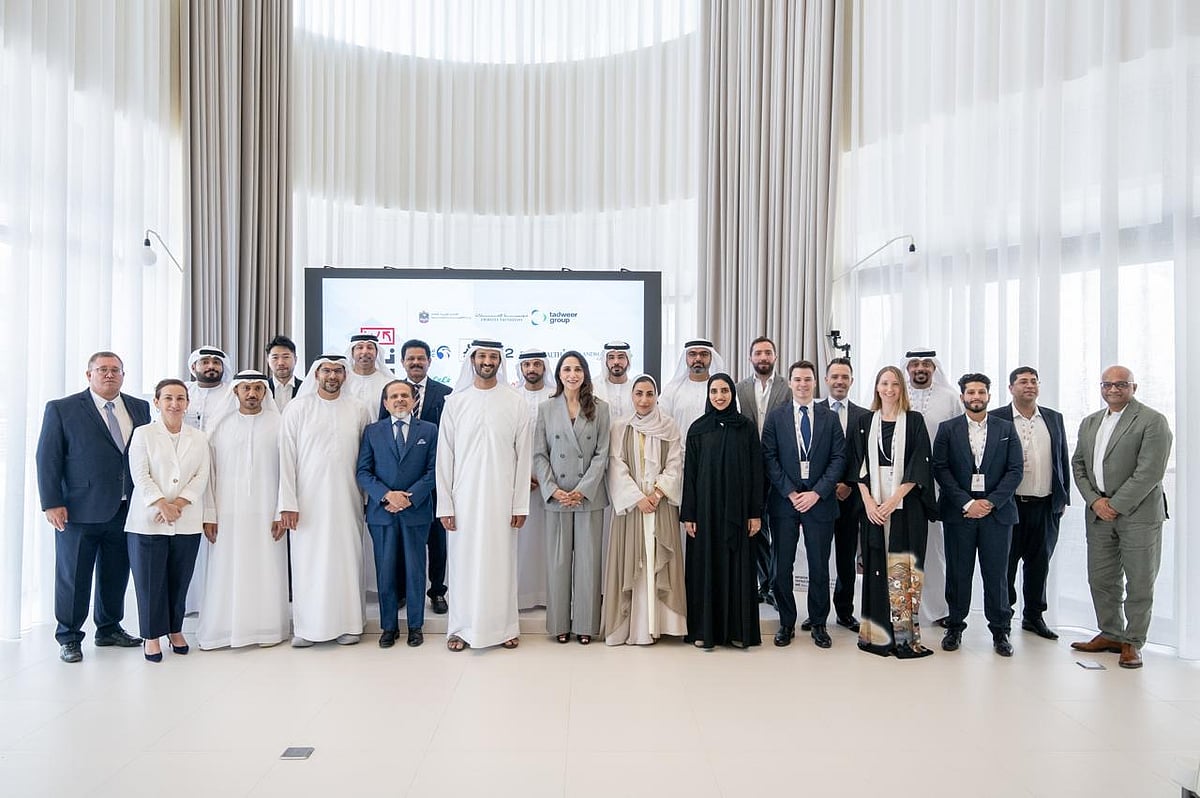
Naseej, the UAE’s National Initiative for Textile Circularity, has signed 14 strategic agreements to strengthen its growing network of partners and support efforts to build a circular textile economy across the country.
The latest partnerships bring together more than 35 organisations from the public and private sectors, as well as academic institutions, community organisations and innovation-focused entities.
The agreements were signed at the Emirates Foundation headquarters in Abu Dhabi and mark the next phase of the initiative, which aims to reduce textile waste by promoting collection, reuse, recycling and innovation.
Get updated faster and for FREE: Download the Gulf News app now - simply click here.
The announcement follows the official launch of Naseej and the success of “The Fabric of Possibility” community event, held at Yas Mall in Abu Dhabi in June with the support of the National Projects Office, the Ministry of Economy and Tourism, Emirates Foundation and Tadweer Group.
The new partners include ADNOC, Aldar, PureHealth, M42, Landmark Group, LuLu Group, Deliveroo, Talabat, Re-Up, Rebound, Miniwiz, Fabricaid, Thrift for Good and Kiswa.
The partnerships will focus on developing textile collection systems, supporting research and innovation, encouraging public awareness and promoting policies that help advance textile circularity in the UAE.
Ahmed Talib Al Shamsi, Chief Executive Officer of Emirates Foundation, said the agreements represent an important step towards building a national ecosystem that supports sustainable textile management.
“We believe long-term national initiatives succeed through collaboration between different sectors and a shared commitment to creating lasting economic, social and environmental value,” he said.
Etienne Petit, Chief Executive Officer of Tadweer Group, said textile waste remains one of the most challenging waste streams but also offers opportunities to recover valuable materials.
He said the initiative supports Abu Dhabi’s goal of diverting 80 per cent of waste from landfill by 2031 by improving textile collection, reuse and recycling while raising public awareness.
Naseej said several pilot projects are already underway, including textile take-back programmes in retail stores, school uniform recycling schemes and textile collection initiatives in residential communities.
The initiative is also developing circular uniform programmes for sectors with high textile use, including healthcare, hospitality, aviation and logistics.
In addition, Naseej is working with government and industry partners to develop policies, standards and incentives that support the transition to a circular textile sector.
Later this year, the initiative plans to publish the first State of Fashion Circularity in the UAE report, providing a detailed assessment of the country’s readiness to adopt circular practices within the fashion industry.
Naseej also invited retailers, manufacturers, recyclers, research institutions, community organisations and government entities to join the initiative and help build a more sustainable future for textiles in the UAE.
Network Links
GN StoreDownload our app
© Al Nisr Publishing LLC 2026. All rights reserved.