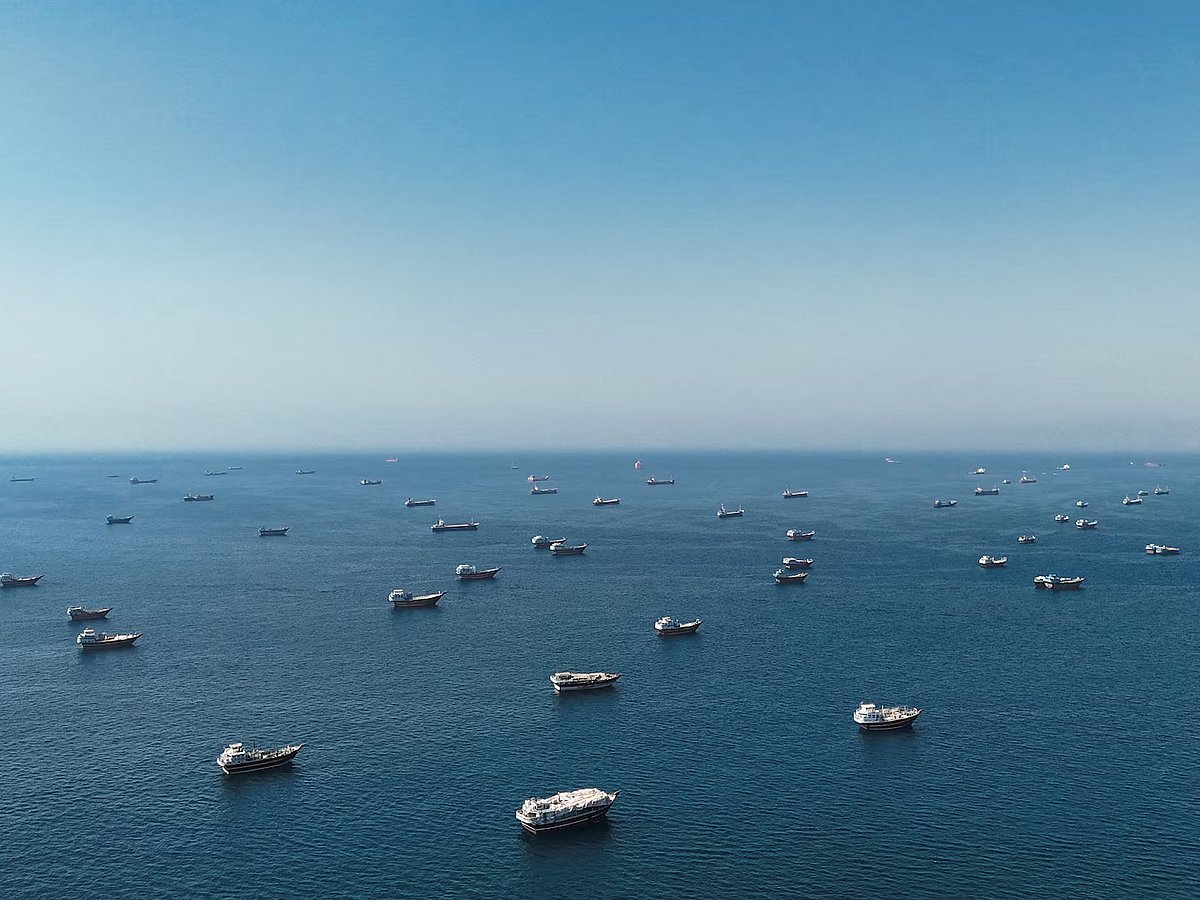
Dubai: Shipping prices and associated costs for cargo moving into the Gulf have risen to around three to five times previous levels following disruptions to maritime routes, with additional fees and rerouting expenses accounting for much of the increase, according to the UAE National Association of Freight and Logistics.
The Association said it was difficult to establish a single price for transporting containers following problems affecting the Strait of Hormuz because costs varied by shipping line, port and route, Emarat Al Youm reported.
Get updated faster and for FREE: Download the Gulf News app now - simply click here.
It stressed, however, that the increase did not mean the basic ocean freight rate itself had risen by the same magnitude.
Instead, shipping bills have been pushed sharply higher by a combination of war-risk surcharges, conflict-related emergency fees, additional fuel charges and the higher cost of moving containers over longer or more complex routes.
Ahmed Abdul Razak, vice-chairman of the National Association of Freight and Logistics and general manager of Maltrans Emirates, said land transport costs had also increased significantly.
“The price of shipping the goods itself has not risen in the way that has been circulated,” he said, adding that the sharp increase largely reflected the accumulation of additional charges associated with transporting containers.
Cargo diverted through alternative ports
Disruption to maritime corridors has forced shipping companies to alter the way some cargo reaches Gulf markets.
While some containers continue to arrive directly at their intended ports, others have been discharged at intermediate ports before continuing their journeys by sea or road.
Some cargo has arrived at Khorfakkan and Fujairah, while other shipments have been discharged at Omani ports including Sohar and Salalah before being transported overland towards destinations in the UAE, including Jebel Ali.
Those changes have added customs clearance, road transport and fuel expenses to the cost of moving cargo.
Shipping lines have also activated provisions allowing vessels to discharge cargo at the nearest suitable port when their planned routes are disrupted, creating additional handling and onward-transport costs.
Capacity adds pressure
The committee said higher prices were also being compounded by reduced shipping capacity into the Gulf.
Some sailings have run out of available space, while others have been cancelled. Moving bookings to later vessels has also become more common on certain routes.
That has created wide differences in costs between Gulf ports depending on the shipping line, the route taken and whether containers require additional sea or road transport.
Abdul Razak said costs had not yet fallen from their recent peaks. A return to normal maritime routes would help reduce both transport costs and the additional surcharges now affecting shipments, he said.
Despite the disruption, essential goods remain available in the UAE, with priority given to clearing key commodities.
The committee said the country's extensive network of ports, roads and logistics infrastructure had allowed cargo to be redirected through several regional gateways rather than relying on a single route, helping maintain the flow of goods into the market.
Network Links
GN StoreDownload our app
© Al Nisr Publishing LLC 2026. All rights reserved.