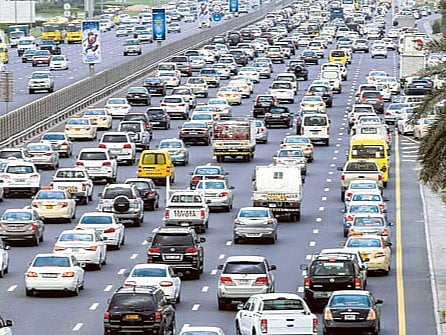
Dubai: Dubai is set to embark on a major overhaul of its road infrastructure, with more than 70 new transport projects slated for completion over the next three years, due to to what Dubai government officials say is a vehicle growth rate ten times the global average.
In comments made during the Dubai International Project Management Forum, Mattar Al Tayer, has been the Director General, Chairman of the Board of Executive Directors of the Roads and Transport Authority (RTA) said the city is poised to become a "full-scale construction site" as it accelerates efforts to expand and modernise its road network.
The emirate is currently seeing an annual increase in vehicle numbers of 8 to 10 percent, far exceeding the global average, Al Tayer said in a televised interview with Dubai TV.
The surge is being fuelled by rapid population growth, booming tourism, and an expanding economy, trends that are putting significant pressure on existing transport infrastructure.
“To keep pace with this growth, we will be launching and completing at least one major road project every month for the next three years,” Al Tayer said, noting that the total investment in this wave of developments is projected to reach Dh35 billion (US$9.5 billion).
The initiative will be carried out through a combination of public funding and public-private partnerships. Al Tayer stressed that the projects are intended to reinforce the foundational role of transport infrastructure in a thriving urban economy.
“You cannot grow your economy or your businesses without a functional transport network,” he said.
The RTA chief acknowledged that the scale of upcoming works will likely cause temporary disruptions and urged residents and visitors to remain patient. “We are aware of the impact these projects may have in the short term, but they are necessary investments in the city’s future,” he said.
The current phase, Al Tayer added, requires close cooperation across government bodies and private contractors, alongside sustained financial commitment. Significant allocations have already been secured within government budgets to ensure projects are delivered to international standards and on schedule.
Sign up for the Daily Briefing
Get the latest news and updates straight to your inbox
Network Links
GN StoreDownload our app
© Al Nisr Publishing LLC 2026. All rights reserved.