The high temperatures can shorten battery life, while heat-related stress can affect cooling systems and other essential components, such as tyres, rubber hoses and seals, paintwork, headlights and interior materials such and dashboards,
Selling your car in UAE? How summer heat damage can slash resale value — and what owners can do
The high temperatures can shorten battery life and affect cooling systems
Last updated:
8 MIN READ
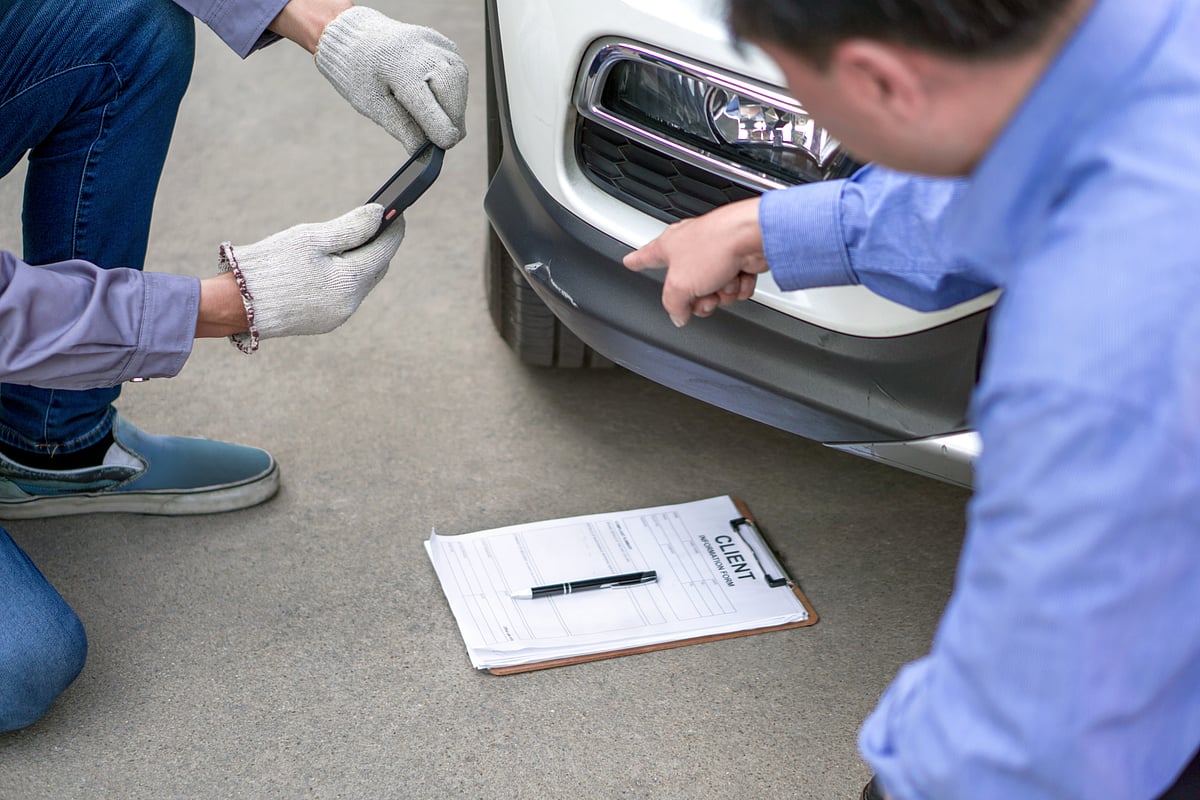
The deterioration isn't just cosmetic. The cracked hoses can lead to leaks, and the worn seals allow heat, dust into the cabin, and ageing rubber components can signal bigger maintenance costs ahead.
Shutterstock
The car parked outdoors may look fine from the outside, but months or perhaps even years of relentless sun exposure and temperatures crossing 40°C can slowly affect everything from the battery and tyres to the paintwork, air-conditioning system and interior materials.
And when it is time to sell, those years of heat exposure can show up in the valuation.
The difference between a well-maintained vehicle and one that has spent years battling the UAE climate without protection, can run into thousands of dirhams, with buyers, dealers and valuation experts closely watching for signs of heat-related ageing.
As Harshvardhan Singh, Business Head at Cariva explains, "The prolonged exposure to the UAE's high temperatures and strong sunlight can gradually affect both a vehicle's appearance and mechanical condition." The heat accelerates wear on several components and visible signs of ageing, which can influence how buyers assess the vehicle.
Over time, this may contribute to lower resale values, particularly when compared with similar vehicles that have been consistently maintained. The difference can be as much as 15-20%, depending on the vehicle's overall condition, he adds.
The UAE summer takes a toll under the bonnet and beyond
The prolonged heat exposure puts additional pressure on several systems at once. It speeds up the ageing process of vehicles, affecting both the performance and appearance, as Athina Doyle from iservice Any Car says.
Athina notes that it drives up repair bills and knocks down resale value through a mix of mechanical wear and the obvious cosmetic damage that buyers notice straight away. The most vulnerable parts, are those that are made from rubber and plastic, which deteriorate faster under a combination of intense heat and UV exposure.
She elaborates, "Door and window seals, cooling hoses, drive belts, CV boots, engine mounts, tyre sidewalls and wiper blades all break down faster under the combination of heat and UV than they would in a cooler climate.
Moreover, the deterioration isn't just cosmetic. The cracked hoses can lead to leaks, and the worn seals allow heat, dust into the cabin, and ageing rubber components can signal bigger maintenance costs ahead. “Buyers see that wear and immediately factor in higher future costs,” she adds.
High temperatures can shorten battery life, increase stress on the cooling system and cause rubber components to harden over time. UV exposure can also fade paint and lead to cracking or discoloration inside the cabin. While some of these issues are cosmetic, they can influence a buyer's perception of how well the vehicle has been cared for. If multiple heat-related issues are present, they can also increase the likelihood of future repairs, which is often reflected in the vehicle's valuation...
Harshvardhan Singh Business Head at Cariva
The battery, tyres and AC face the biggest summer battles
One of the most heat-sensitive components in a UAE vehicle is the battery. The high temperatures can shorten battery life, while heat-related stress can affect cooling systems and other essential components, such as tyres, rubber hoses and seals, paintwork, headlights and interior materials such and dashboards, explains Singh.
Athina also explains that batteries face particular challenges in the UAE because heat accelerates internal chemical reactions and causes electrolyte evaporation. “Batteries take a real hammering too. Heat speeds up the chemical reactions inside and evaporates the electrolyte, so in the UAE most last only a couple of years,” she says.
The corroded terminals and heat-stressed electronics are common, and any history of starting problems or frequent replacements, put buyers on edge. The vehicle’s cooling system also works harder during summer months, with components such as radiators, thermostats and fans under constant pressure.
While mechanical problems can be expensive, cosmetic damage is often what first shapes a buyer’s impression of a used car. The exposure to the sun's ultra-violet rays can lead to faded paint, damage clear coats and make vehicles appear older than their actual age.
“The cooling system works overtime,” Athina adds. “Radiators, especially the plastic end tanks, hoses, thermostats and fans are under constant stress.”
Tyres are another area where UAE conditions can accelerate ageing." They also age faster on hot asphalt; cracking and dry rot set in sooner, and most need replacing after three to five years regardless of how much tread is left,” she explains.
The damage buyers notice first: Paint, interiors and headlights
While mechanical problems can be expensive, cosmetic damage is often what first shapes a buyer’s impression of a used car. The exposure to the sun's ultra-violet rays can lead to faded paint, damage clear coats and make vehicles appear older than their actual age.
"It also leads to cracking or discoloration inside the cabin,” says Singh.
Inside the vehicle, prolonged exposure to sunlight can leave visible scars. “Dashboards crack, warp or bubble. Headliners sag because the adhesive fails — something inspectors in the UAE see all the time,” Athina says Leather and vinyl dry out, fade and crack, and the plastics turn brittle.
These issues matter because resale value is not only determined by mechanical condition, perception plays a major role.
“A single issue may not significantly affect value, but a combination of cosmetic and mechanical wear can reduce buyer confidence and influence the final valuation,” Singh says.
Exterior damage can also become difficult and expensive to reverse. Outside, the ultra-violet rays oxidise the clear coat until it goes chalky or milky and starts peeling, especially on the roof, bonnet and boot, says Athina. Headlights yellow. Darker colours show the damage sooner because they absorb more heat.”
What valuation experts look for before putting a price on a car
When assessing a used vehicle in the UAE, inspectors look for a combination of visible wear and mechanical warning signs.
Singh says valuers typically examine:
faded paint, oxidation and peeling clear coat
cloudy headlights
damaged rubber trims and seals
cracked dashboards
worn upholstery
brittle plastics
battery condition
cooling system performance
air-conditioning efficiency
tyre condition
Athina says buyers and inspectors are particularly alert to signs that a car has spent years exposed to the elements. When buyers, dealers or inspectors look at a used car here, they’re specifically checking for that cracked or faded dashboard, sagging headliner, dried-out seats, brittle trim, chalky or peeling paint, yellowed headlights, cracked hoses and seals, aged or cracked tyres, weak or noisy air-con, signs of past overheating, and the condition of the battery,” she explains.
A strong service history, however, can help protect value.
“A full service history that shows proper attention to fluids, coolant and air-con is a big plus,” Athina adds.
Maintenance can protect thousands of dirhams in resale value
The good news is that UAE car owners are not powerless against the climate. Regular servicing, preventive maintenance and simple protective measures can make a significant difference.
Singh recommends servicing the cooling system, replacing fluids on schedule, monitoring battery health and fixing minor issues before they become expensive repairs.
Protecting the exterior and interior also matters. “Parking in covered areas, using approved window tinting, protecting the paint by use or other kind of coats and maintaining the interior also help reduce visible wear,” Singh says.
And you need to keep records too. "In many cases, vehicles with consistent servicing and strong maintenance records can achieve resale values that are up to 30% higher than similar vehicles with incomplete histories,” adds Singh.
Doyle agrees that prevention is often cheaper than repair. "Parking in the shade or under cover whenever possible, using a good sunshade, applying ceramic coating or quality wax, and conditioning the interior all slow down the cosmetic damage that is otherwise so expensive to fix,” she says.
Neglected cars end up with cumulative problems that compound the discount; protected and well-serviced ones tend to sell for more and sell faster, often by several thousand dirhams, depending on the car.
Inside the car the damage is hard to miss. Dashboards crack, warp or bubble. Headliners sag because the adhesive fails something inspectors in the UAE see all the time. Leather and vinyl dry out, fade and crack, and the plastics turn brittle. These problems are expensive or impossible to reverse properly, so they hit both the look of the car and the impression of how well it’s been looked after...
Athina Doyle General Manager at i Service Any Car
Not every heat-related problem is covered by insurance
While some heat-related problems can be prevented, vehicle owners should also understand what insurance does and does not cover.
Toshita Chuhan, Chief Business Officer, General Insurance at Policybazaar.ae, says insurers frequently see claims linked to extreme heat.
“From an insurance standpoint, the most frequent claims linked to extreme heat involve tyre blowouts caused by rapid pressure build-up, battery degradation, and AC compressor failures,” she says.
“We also see paint fading, dashboard cracking and warped interior trims from prolonged sun exposure, along with coolant system strain that can lead to overheating.”
However, not every heat-related issue qualifies as insured damage.
Chuhan explains that gradual deterioration is usually considered normal ageing.
“Gradual issues like faded paint, cracked dashboards or worn-out rubber seals are usually classified as wear and tear, since they build up over time and are considered part of normal vehicle ageing in a hot climate,” she says.
“These are typically not covered under standard comprehensive policies.”
But sudden incidents may fall under coverage depending on the circumstances.
“However, sudden and accidental damage such as a tyre blowout that also damages the vehicle, for instance triggering a collision, or a fire resulting from an electrical fault would usually fall under comprehensive coverage,” she says.
The key distinction insurers look at is whether the damage happened gradually through everyday exposure or as a specific, unexpected incident.
From an insurance standpoint, the most frequent claims linked to extreme heat involve tyre blowouts caused by rapid pressure build-up, battery degradation, and AC compressor failures,
Toshita Chuhan Chief Business Officer at General Insurance at Policybazaar.ae
Protecting your car before the next summer hits
The simplest habits can make the biggest difference.
Owners should park in shaded or covered areas whenever possible, use reflective sunshades, maintain correct tyre pressures, service air-conditioning systems regularly and keep up with coolant and battery checks.
Singh also recommends regular washing, paint protection and interior care to prevent premature deterioration.
Athina suggests paying particular attention before the hottest months arrive. “Test the battery before the hottest months and replace it proactively if it’s been outdoor-parked for a couple of years,” she says.
“Keep good records of everything heat-related and fix small issues before they become big ones.”
The UAE summer may be unavoidable, but the damage it causes to a vehicle’s future value does not have to be.
As Athina puts it: “Extreme heat simply compresses the normal ageing process. You can’t stop the climate from doing its job, but consistent protection and maintenance go a long way towards limiting the damage and protecting what the car will be worth when you eventually sell it.”
Network Links
GN StoreAbout Gulf NewsTerms & ConditionsReach by GNSitemapContact usPrivacy PolicyGN FocusHave your sayWork with usAdvertise with usGulf News epaperPrinting Services
Download our app
© Al Nisr Publishing LLC 2026. All rights reserved.