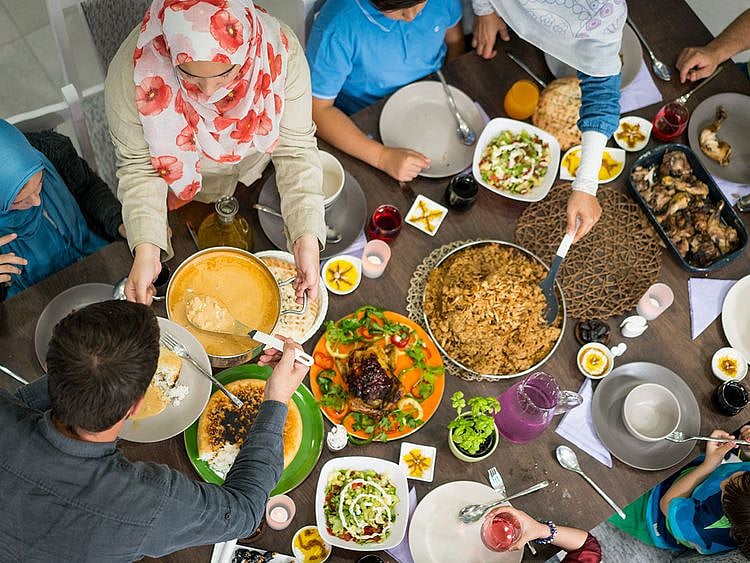
Dubai: While it’s time to celebrate after a month of Ramadan fasting, overeating during Eid Al Fitr holidays can lead to several health risks, including digestive issues and weight gain, medical experts have warned.
Talking about the benefits of the 30-day Ramadan tradition, Sruthy Merlin George, Clinical Dietitian at NMC Specialty Hospital in Al Ain, said that fasting gives the digestive system time to relax.
“It acts as a recovery period during which the stomach regulates the secretion of its acids, the intestines increase the production of beneficial bacteria, and the pancreas rests from continuous insulin secretion,” George said and noted that overeating or binge eating, especially sweets and savoury, disturbs the existing state of order and comfort.
Nour Fouad Ahmed Shalfawi, Clinical Dietician, Burjeel Day Surgery Center, Al Shahama, pointed out that overeating after a month of fasting can cause digestive discomfort, bloating, acid reflux and indigestion.
“Excessive intake of sugary, salty, and fatty foods may exacerbate chronic conditions such as diabetes, hypertension and heart disease. It can also lead to unnecessary weight gain, increasing the risk of obesity and metabolic disorders,” she said.
How to enjoy dishes?
Shalfawi underscored that enjoying traditional foods in moderation and in small portions is crucial.
“Practicing portion control by serving small amounts allows you to enjoy a variety of dishes without overindulging. Mindful eating, i.e., taking your time and paying attention to your body’s fullness cues – can enhance the experience and prevent overeating. Additionally, balancing your plate by including nutrient-dense foods such as vegetables, lean proteins, and whole grains alongside festive favourites helps support overall well-being while still savouring special meals.”
Meanwhile, George pointed out that individuals must try to follow a balanced diet, which includes complex carbohydrates, proteins, healthy fats, fruits and vegetables.
“Complex carbs help you feel full longer, combined with lean proteins, which will help maintain muscle mass. Include fresh fruits and vegetables that contain nutrients, fibres, and vitamins, and probiotics such as yogurt, which helps to restore the natural balance of bacteria in your gut,” she noted.
Shalfawi warned against skipping meals earlier in the day to “save room” for a feast, as this often leads to overeating.
“Avoid eating under social pressure and instead listen to your body’s hunger cues. Lastly, be mindful of sweets – enjoy them in moderation to prevent blood sugar spikes and maintain overall well-being,” she added.
7 tips for healthier Eid
Use a smaller plate and portions
Take smaller bites and chew food thoroughly
Eat fibre-rich foods like salads, whole grains
Stay hydrated by drinking plenty of water
Whenever possible, opt for homemade dishes
Gather or sit far from the food table
After a big meal, take a walk
Sign up for the Daily Briefing
Get the latest news and updates straight to your inbox
Network Links
GN StoreDownload our app
© Al Nisr Publishing LLC 2026. All rights reserved.