Middle East war: 5 things UAE residents need to know today (Oct 19, 2026)
Etihad extends Saudi flight cancellations, Iran renews Hormuz reopening offer
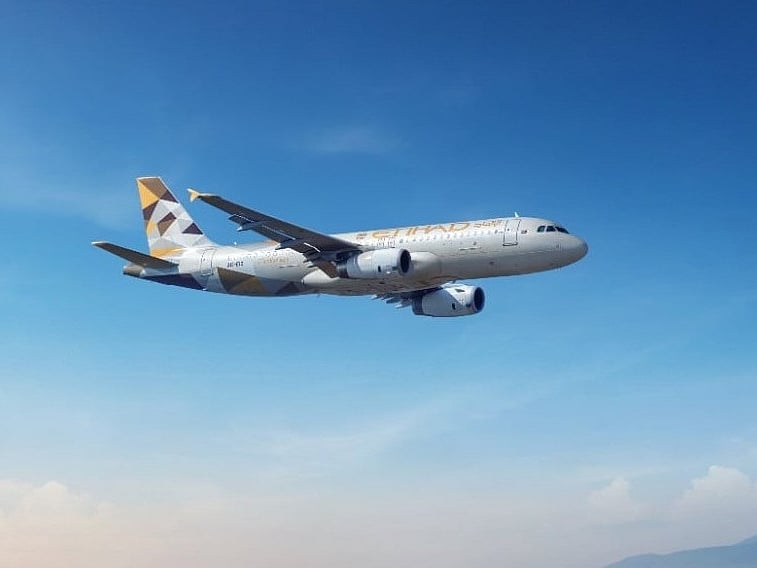
The Middle East conflict continues to affect regional aviation, maritime trade and energy markets on Monday, despite renewed diplomatic efforts to reopen the Strait of Hormuz. Etihad Airways has extended cancellations to three Saudi destinations, while Egypt is considering military support for Saudi Arabia as fighting intensifies in Yemen.
Here are five key developments UAE residents need to know:
Etihad Airways has extended cancellations between Abu Dhabi and Riyadh, Dammam and Jeddah until Saturday, October 24, citing regional disruption.
According to the airline's latest advisory, all Abu Dhabi–Riyadh and Abu Dhabi–Dammam services are cancelled, along with four daily flight services between Abu Dhabi and Jeddah.
Riyadh's King Khalid International Airport reopened on Sunday following deadly Houthi attacks, but several international airlines continue to suspend operations.
For UAE residents travelling for Umrah, business or family visits, the airport's reopening does not guarantee flights will operate. Passengers should check their booking status directly with airlines before departure.
Iran reiterated its proposal to reopen the Strait of Hormuz within seven days if Washington accepts Tehran's conditions, Reuters reported.
Iranian Foreign Minister Abbas Araqchi said the proposal remained available despite stalled negotiations.
Tehran's demands include lifting the US naval blockade on Iranian ports, removing sanctions on Iranian oil exports and ending regional hostilities.
Washington, however, continues to insist that negotiations address Iran's nuclear programme.
The disagreement leaves uncertainty over when normal commercial shipping could resume through a waterway that previously carried about one-fifth of global oil and liquefied natural gas trade.
Egypt has offered Saudi Arabia military support against Yemen's Iran-aligned Houthis, potentially widening the regional conflict.
Reuters reported that President Abdel Fattah Al Sisi requested an urgent parliamentary session to authorise assistance if Saudi Arabia seeks Egyptian support.
Discussions were expected to continue Monday.
The announcement follows repeated Houthi attacks on Saudi airports and energy infrastructure.
Fighting also threatens Bab Al Mandab, the strategic shipping passage connecting the Red Sea and Gulf of Aden.
For UAE importers and exporters, further instability could increase shipping insurance premiums, freight costs and delivery times.
4. Oil falls below $108 despite shipping disruption
Brent crude fell 2.08% to $107.57 a barrel during Monday morning trading, Reuters reported, after US President Donald Trump moved to waive sanctions and tariffs on Russia that could allow additional fuel supplies.
US West Texas Intermediate declined to $99.46.
However, shipping risks remain substantial. Data from Kpler showed Gulf crude exports falling to approximately 8.5 million barrels a day last week, compared with more than 20 million the previous week.
For UAE residents, prolonged high energy and shipping costs could eventually affect transport and imported-goods prices, although domestic petrol prices do not change automatically with daily oil movements.
UAE President Sheikh Mohamed bin Zayed Al Nahyan met Saudi Defence Minister Prince Khalid bin Salman in Abu Dhabi on Sunday.
According to the Emirates News Agency, discussions focused on strengthening bilateral cooperation, regional security and efforts to achieve lasting peace.
Separately, the UAE Ministry of Foreign Affairs expressed condolences following the deaths of two Saudi officers in a helicopter crash near Najran.
No new UAE-wide restrictions on residents' daily activities were announced in the official statements reviewed. Residents should continue following government announcements and airline advisories.
Network Links
GN StoreDownload our app
© Al Nisr Publishing LLC 2026. All rights reserved.