Dr. Ahmed Sharafeldin, consultant interventional cardiologist at RAK Hospital
Why UAE’s summer heat can put your heart at risk
Chest pain, dizziness, breathlessness in extreme temperatures should never be ignored
Last updated:
4 MIN READ
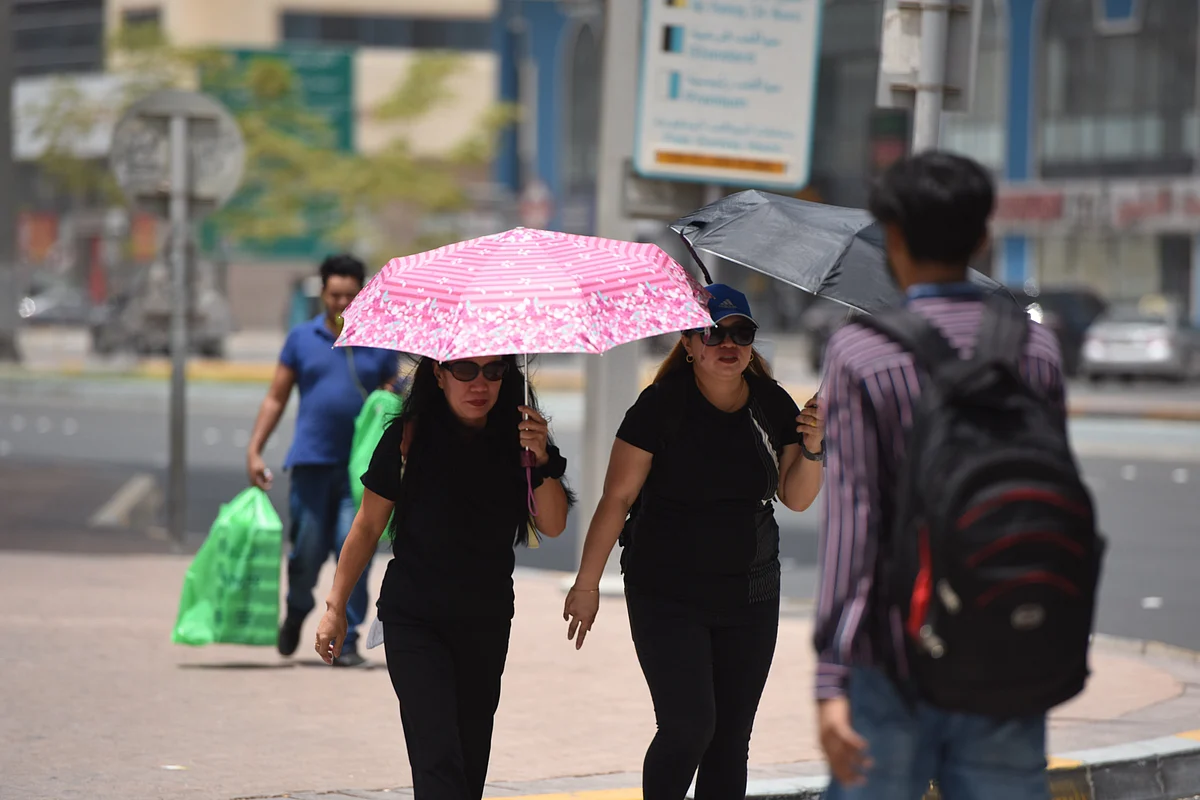
Experts advise hydration, limiting direct sun exposure, and seeking immediate medical attention for warning signs
Gulf News Archives
Dubai: As temperatures continue to soar across the UAE, doctors are urging residents not to dismiss signs of heat-related stress as just dehydration or fatigue.
Medical experts say extreme heat can place significant strain on the heart, especially among older adults, outdoor workers, and people living with chronic health conditions.
From chest discomfort and dizziness to palpitations and fainting, specialists warn that some symptoms linked to summer heat may actually point to serious cardiovascular problems that require urgent medical attention.
Get updated faster and for FREE: Download the Gulf News app now - simply click here.
Heat makes the heart work harder
Dr. Ahmed Sharafeldin, consultant interventional cardiologist at RAK Hospital, has noted that dehydration during hot weather causes the blood to become thicker, forcing the heart to pump harder to circulate it throughout the body.
He has compared the process to the difference between water and honey.
"Water flows easily, while thicker liquids require more effort to move. Similarly, the heart must pump harder when the body is dehydrated," explained Sharafeldin.
According to him, many people underestimate the effect of extreme heat on the cardiovascular system during UAE summers. Residents may assume they are simply exhausted or dehydrated, while in reality they could be experiencing a serious cardiac event or even heat stroke.
He has warned that ignoring symptoms can delay treatment and increase the risk of severe complications.
"If someone experiences warning signs, especially while outdoors or after prolonged heat exposure, they should seek immediate medical attention. What may appear to be heat exhaustion could actually be a heart attack or heat stroke."
Sharafeldin has stressed that physical activity remains important for heart health. Walking for 30 to 45 minutes regularly is still one of the best forms of exercise, but residents should choose cooler times of the day, stay hydrated, and pay close attention to their body’s warning signals.
"Awareness can save lives. Extreme heat should never be taken lightly, especially for people with underlying health conditions."
Symptoms that should never be ignored
In an exclusive interview with Gulf News, Dr. Mohamed Shafeek, internal medicine specialist at Medcare Royal Speciality Hospital has bared that feeling slightly tired or dehydrated after spending time outdoors is common during summer, but some symptoms may indicate the heart is under dangerous strain.
He has advised residents to watch out for chest discomfort, unusual shortness of breath, dizziness, rapid heartbeat, fainting, excessive sweating, and sudden weakness. Confusion or persistent palpitations that do not improve with rest and hydration can also signal a more serious problem.
"In high temperatures, the heart works harder to keep the body cool, and for some individuals this extra strain can become dangerous if not recognised early," Shafeek told Gulf News.
Dr. Mohamed Shafeek, internal medicine specialist at Medcare Royal Speciality Hospital
To reduce risks, he has recommended residents to stay hydrated throughout the day, avoid prolonged outdoor exposure during peak afternoon hours, wear lightweight clothing, and take regular breaks in cool or shaded areas.
Additionally, Shafeek has emphasised the importance of continuing prescribed medications and attending regular medical check-ups during the hotter months.
"Early intervention can make a significant difference and help prevent more serious complications."
Outdoor workers and elderly among most vulnerable
In a separate interview, Dr. Faaraz Zaveri, specialist cardiologist and medical director at Prime Medical Centre has pointed out that heat stress can quickly become dangerous when it begins affecting the cardiovascular system.
"In vulnerable individuals, this extra strain can trigger heat exhaustion, dehydration-related cardiac stress, arrhythmias, or even heart attacks," shared Zaveri.
He has identified several groups that face significantly higher risks during UAE summers, including people above the age of 60, patients with hypertension, diabetes, kidney disease or heart conditions, outdoor labourers, obese or physically inactive individuals, smokers, pregnant women, and children.
Dr. Faaraz Zaveri, specialist cardiologist and medical director at Prime Medical Centre
Moreover, he has mentioned that people taking medications such as diuretics, blood pressure or certain psychiatric medicines may also struggle to regulate body temperature or maintain proper hydration levels in extreme heat.
To stay safe, Zaveri has encouraged residents to follow precautions like and seek immediate medical care is necessary.
"With rising global temperatures and increasing heat exposure in the region, public awareness about heat-related heart risks is becoming more important than ever. Early recognition, hydration, and preventive lifestyle measures can significantly reduce the risk of serious complications."
Heatstroke can become life-threatening quickly
For his part, Dr. Jesse Bracamonte, family medicine physician at Mayo Clinic, has warned that heat-related illnesses can escalate rapidly if early symptoms are ignored.
Warning signs that the heart and body are under stress include a racing heartbeat, dizziness, fainting, shortness of breath, chest discomfort and confusion.
Heat exhaustion occurs when the body overheats, causing heavy sweating, muscle cramps, fatigue, nausea, headache and a rapid pulse. Without prompt treatment, it can progress to heatstroke, a life-threatening condition where the body can no longer cool itself effectively.
Dr. Jesse Bracamonte, family medicine physician at Mayo Clinic
“Heatstroke is a medical emergency and requires immediate treatment to prevent damage to the brain and other vital organs,” said Bracamonte.
Doctors have reiterated that with rising temperatures, early recognition of symptoms and prompt action remain critical. Residents have been urged to take heat warnings seriously and seek medical help immediately when symptoms escalate.
Network Links
GN StoreAbout Gulf NewsTerms & ConditionsReach by GNSitemapContact usPrivacy PolicyGN FocusHave your sayWork with usAdvertise with usGulf News epaperPrinting Services
Download our app
© Al Nisr Publishing LLC 2026. All rights reserved.